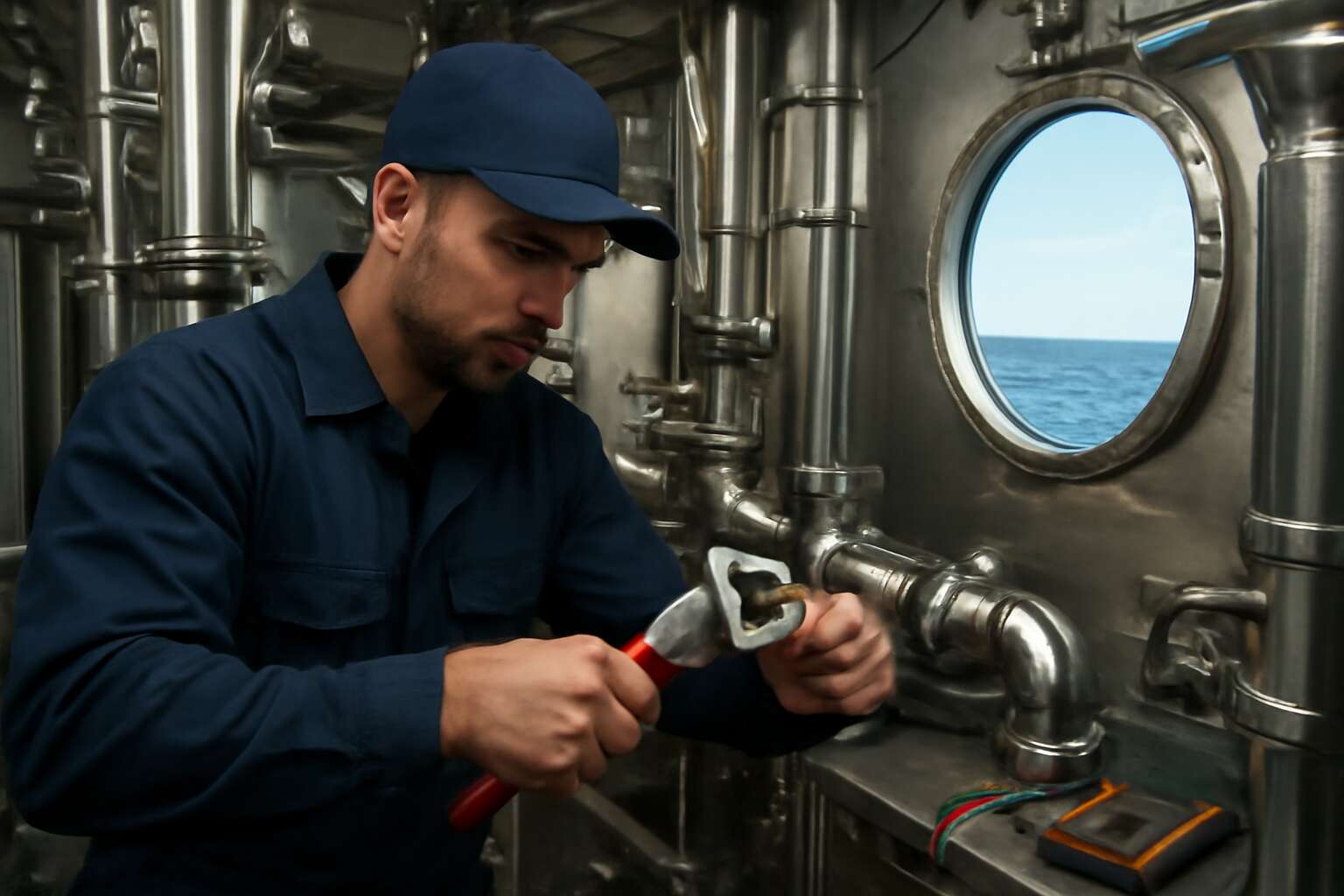
Key role and responsibilities of a shipboard plumber
Key responsibilities of a shipboard plumber
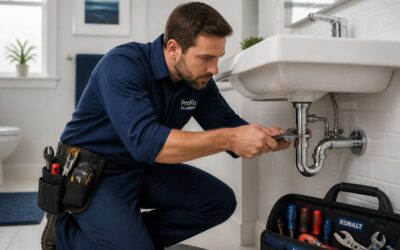
On a cruise liner, a leak isn’t just a nuisance—it’s a potential crisis. “Water is the ship’s heartbeat,” I tell my team, and a calm, efficient plumber on cruise ship is the difference between a delay and a smooth crossing. South Africa’s coastal itineraries demand steady hands and quick judgment, because every stutter of a pump or creak in a pipe can ripple through cabins and kitchens alike.
- Install, repair, and maintain water and waste systems with a focus on reliability.
- Diagnose issues quickly, prioritizing crew safety and passenger comfort.
- Coordinate preventive maintenance schedules and keep meticulous records.
Flexibility, seamanship, and a knack for calm improvisation define the position. I work with electricians, engineers, and hotel staff to keep pressure steady, temperatures safe, and sanitation flawless, even when the sea tests us.
Typical daily tasks on a cruise vessel
“Water is the ship’s heartbeat,” I remind the deck when alarms whisper through the corridors. On a vessel that ferries guests along South Africa’s rugged coastline, the plumber on cruise ship keeps the hydraulics humane and the journey unruffled. The day begins with a calm survey: listening to pumps, reading gauges, and ensuring that cabins stay dry and kitchens stay warm. The role blends vigilance with tact, shaping the tides of maintenance into reliable service that passengers never notice—until they notice the difference.
- Monitor water quality, pressure, and waste lines, recording readings in the logbook
- Respond to alerts, isolate the fault, and coordinate a swift fix with the engineering team
- Collaborate with hotel services to align works with passenger comfort and safety protocols
In South Africa’s busy itineraries, every action—however small—must respect safety standards and crew rhythm, turning potential trouble into a steady, sea-borne experience.
How maritime plumbing differs from land-based facilities
On a floating city carrying 2,000 guests and 1,000 crew, plumbing is the quiet heartbeat that keeps every voyage smooth. A single leak can ripple through cabins and kitchens, yet the ship moves on—calm, deliberate, guided by the hands of a craftsman who treats every pipe as a story waiting to be told!
As the vessel skirts South Africa’s coast, the plumber on cruise ship blends vigilance with discretion. I trace water and waste, isolate faults, and restore flow with swift, coordinated fixes. The work honors guest comfort, safety, and the ship’s rhythm.
- Trace hydraulics paths and diagnose hidden faults without disturbing guests
- Coordinate swift, staged repairs with engineering
- Ensure safety and environmental standards across all work
Maritime plumbing scales differently from land facilities; every fix travels with the ship’s schedule, not a calendar.
Collaboration with hotel, engineering, and safety teams
A plumber on cruise ship keeps the pulse of a floating city steady, where every faucet greets a calm cascade as we sail past the Cape of Good Hope. I choreograph the flow of life—water for guests, kitchens, pools, and emergency systems—without disturbing the voyage’s poetry. In the orchestra of shipboard operations, pipes tell the story of a well-run day and a safer night, steady, deliberate, and precise!
This role demands collaboration with hotel teams, engineering crews, and safety officers, turning a routine fix into a coordinated symphony.
- Collaborate with hotel operations to preserve guest comfort.
- Partner with engineering to isolate faults and stage quick repairs.
- Work with safety and environmental teams to uphold waste handling and compliance.
From bridge to galley, discretion and precision weave the ship’s rhythm; that’s the craft that keeps every voyage poised.
Tools, systems, and technology used at sea
Common piping and valve networks on cruise ships
Flow is life at sea, and the plumber on cruise ship knows it better than most. “Flow is lifeblood,” as one chief engineer likes to remind us. A lone leak, I’ve learned, can ripple through cabins faster than a gale, so precision matters above all.
Seafaring plumbing networks are a choreography of loops: freshwater feeds, condensate cooling, and wastewater streams all tied to robust piping and valve systems. From main trunk lines to manifold branches, the layout must tolerate vibration, temperature shifts, and the occasional rogue bolt—especially from Cape Town to Durban ports.
Tools, systems, and technology—our quiet arsenal—are compact yet capable. At sea, readings are real-time, and fittings demand finesse. To tame this labyrinth, the toolkit includes:
- Flange wrenches
- Pipe threading kit
- Pressure gauges
- Sealant tapes
On a ship, every tool tickles the imagination—the act of keeping showers agreeable becomes a performance art.
Water supply, wastewater, and sanitation systems on board
Water is the ship’s lifeblood, a fact every deckhand swallows with a grin and a gauge. The plumber on cruise ship treats flow as both art and safety, a daily performance where a single drip can derail the entire cast of cabins.
At sea, water supply, wastewater, and sanitation run on a choreography of pumps, desalination rigs, vacuum toilets, and compact sensors. Real-time readings via SCADA keep mains dialed in, while robust valves and insulated trunk lines shrug off vibration and the occasional rogue bolt.
- Flange wrenches
- Pipe threading kit
- Pressure gauges
- Sealant tapes
The toolkit is compact yet mighty, designed to survive a gale and a grin in the engine room. For crews along South Africa’s coasts, these tiny instruments keep comfort aboard steady while the sea keeps time.
Diagnostics, tools, and equipment for marine plumbing
Water is the lifeblood of the voyage, and the plumber on cruise ship keeps the current flowing with a wink and a wrench. At sea, diagnostics ride shotgun with real-time SCADA dashboards, desalination rigs, and vacuum toilets, especially along South Africa’s coasts. It’s a tight choreography of pressure and performance, where sensors whisper and the engine room nods in approval.
Tools and tech form the shipboard toolkit, lean but mighty, built to outlast gales and long shifts. Here are indispensable items that keep the show running smoothly:
- Thermal imaging camera for leaks
- Digital manometer and handheld gauge
- Inspection camera for cramped corners
- Sealant tapes and thread sealants
With these, the ship’s plumbing crew keeps comfort steady and the voyage humming like a drumbeat.
Automation and remote monitoring of shipboard plumbing systems
On modern liners, system uptime hovers near the upper end of industry norms—close to 99%, even along South Africa’s coast. The ship’s plumbing network runs through a web of automation, from pressure sensors to remote alarms. A plumber on cruise ship navigates this quiet intelligence, keeping flow steady without a second thought—thrilling in its quiet precision!
Automation and remote monitoring knit every valve, pump, and tank into a central intelligence. Real-time data streams keep the crew ahead of trouble, even when waves lash the hull.
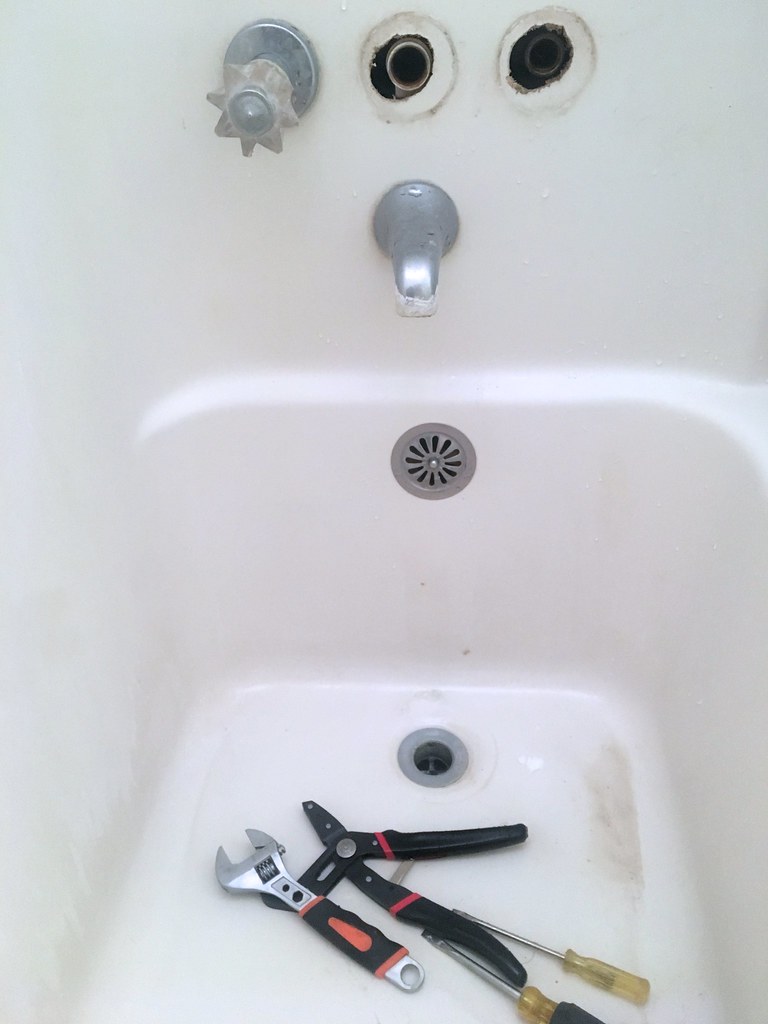
- Smart dashboards translate pressure, flow, and levels into clear alerts
- Telemetry links feed sensor data to on-board or shore control rooms
- Automated valve actuators and pump controllers respond to setpoints with minimal human touch
This architecture reduces downtime and enhances safety; the ocean never stops, but plumbing decisions stay precise.
Safety, training, and regulatory considerations for maritime plumbing
Required certifications for maritime plumbing roles
On a cruise ship, every copper coil and valve hums to a rhythm of safety and service. A small leak can ripple through guest experiences and engine rooms alike, so rigorous vigilance isn’t optional—it’s survival. For the plumber on cruise ship, safety is first.
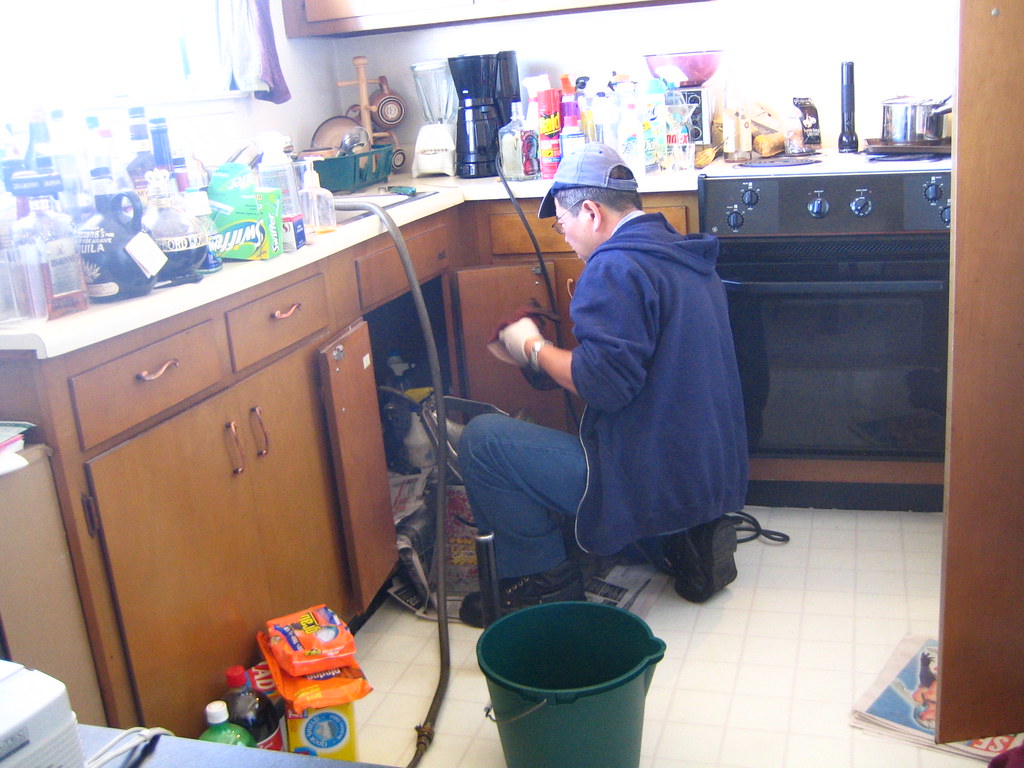
Training for maritime plumbing blends hands-on mastery with ongoing refreshers. Core modules cover confined-space entry, spill response, and system diagnostics.
- STCW safety modules
- Marine plumbing systems fundamentals
- Emergency response and confined-space procedures
Regular drills and on-board mentoring keep skills shipshape.
Regulatory requirements anchor the role. A plumber on cruise ship typically holds STCW certificates, a medical fitness certificate, and SAMSA endorsements where applicable, plus vessel-specific safety inductions. In South Africa, compliance marries international standards with local oversight to keep a fleet compliant.
Onboard safety protocols and PPE
On a cruise, a single drip can ripple through guest decks and engine rooms alike—safety isn’t a feature, it’s survival. For the plumber on cruise ship, that isn’t hyperbole; it’s daily arithmetic carried out with spanners and swagger.
Onboard safety protocols and PPE are the first line of defense. Expect lockout-tagout discipline, confined-space entry rules, and real-time gas detection as routine mindsets rather than chores.
- Flame-resistant coveralls
- Hard hat
- Safety glasses or goggles
- Chemical-resistant gloves
- Respiratory protection when needed
Regulatory considerations anchor the role, from medical clearance to flag-state endorsements and vessel inductions. In South Africa, compliance blends international norms with local oversight, keeping crews and guests safe while the ship stays in line with the law.
Maritime regulations governing plumbing installations and maintenance
Safety isn’t a checkbox on a cruise ship; it’s the ballast that keeps everything upright. For the plumber on cruise ship, daily drills, lockout-tagout discipline, and real-time gas detection aren’t chores—they’re currency. A tiny leak can ripple across decks, so every procedure is drilled, documented, and executed with swagger and precision.
Training goes beyond pipes and wrenches; it’s medical clearance, seaworthy certifications, and vessel inductions that take place before the first cup of coffee. In South Africa, compliance blends international norms with SAMSA oversight and flag-state endorsements to keep crews and guests safe.
- Medical clearance and fitness
- Flag-state endorsements
- Vessel inductions
- SAMSA certifications for maritime plumbing roles
Together, safety, training, and regulatory frameworks form the backbone that lets the plumber on cruise ship keep the system humming as the ocean roars outside.
Emergency response planning and incident reporting on ships
On the open sea, a tiny leak can ripple across decks in minutes. Safety isn’t a checkbox; it’s the ballast that keeps a ship upright. For the plumber on cruise ship, emergency response planning and incident reporting on ships aren’t chores—they’re currency, charged in fast decisions and precise records.
Training now goes beyond pipes and wrenches. It includes drills, real-time documentation, and regulatory alignment so every fault is captured, investigated, and corrected before it spreads.
- Clear escalation paths
- Real-time reporting and logkeeping
- Drills and after-action reviews
- Regulatory alignment with SAMSA, flag-state, and international standards
Regulatory considerations bind safety to practice. In South Africa, maritime compliance blends international norms with SAMSA oversight and flag-state endorsements, ensuring a licensed plumbing professional on board operates within a clear framework—where incident reporting feeds audits, and every action reinforces the ship’s safety culture.
Common challenges and troubleshooting for shipboard plumbing
Leaks, corrosion, and water hammer on vessels
Tempers quiet in the ship’s corridors as leaks creep, corrosion gnaws, and water hammer pounds like a drum in a gale. A bosun’s old maxim lingers: the ship’s heartbeat runs through its pipes, and that pulse must stay steady. Leaks reveal themselves with damp patches and faint odors; corrosion hides behind fittings, aging the metal without fanfare. Water hammer roars when valves snap shut, testing joints and shaking the deck with stubborn resolve, especially along SA’s busy cruise routes.
- Leak indicators: damp patches, staining, or unexpected humidity near bulkheads
- Corrosion signs: pitting, oxidation halos, thinning metal in vulnerable joints
- Water hammer: loud bangs, pressure surges, and rattling pipes under load
The plumber on cruise ship navigates these triads with calm, methodical poise, translating symptoms into lasting resilience for guests and crew alike.
Ensuring reliable water supply and redundancy on board
On a modern cruise liner, a drop in pressure can ripple through the spa, cabins, and galley alike. Even 1% water loss translates into hundreds of litres slipping away before a crew notices, and guests feel the sting in a lukewarm shower or a delayed coffee. The ship’s plumbing challenges center on reliable supply, water quality, and steadfast redundancy when the main line falters.
- Supply pressure variances during peak demand
- Redundancy failures when a pump trips or a valve sticks
- Backflow and cross-connection risks that threaten sanitation
A plumber on cruise ship navigates these currents with calm poise, turning symptoms into resilience. It’s a discipline of anticipatory care—monitoring gauges, guarding against corrosion pockets, and balancing guest comfort with crew safety.
Managing graywater and blackwater systems on cruise ships
On wind-washed decks, graywater and blackwater systems wage quiet wars behind the scenes. Even a slight misbalance in treatment lines can push volumes toward holding tanks or leak through unsealed joints, turning morning showers into lukewarm disappointments for guests.
Common challenges and troubleshooting on shipboard plumbing include reverse-flow risks, stubborn odors, and sluggish venting that travels with the tide, especially in South Africa’s ports. Diagnostics favor patient tracing of pipework, pump cycles, and screens, while corrosion pockets whisper their secrets to those who listen.
Managing graywater and blackwater systems on cruise ships requires maritime standards, disciplined monitoring, and collaboration with the ship’s teams to keep pace with the heartbeat across horizons. The plumber on cruise ship treats symptoms as signals, turning flow anomalies into steady, seaworthy performance.
- Screened screens and seals keep greywater within designed channels
- Ventilation and odor-control measures adapt to motion and loading
Pump, valve, and backup system failure: triage steps
Two of five major shipboard plumbing alarms trace to pump or backup glitches — a haunting statistic that rides the midnight bell. The plumber on cruise ship knows the quiet corridors hide storms behind bulkheads; a murmur in the pumps can reshape a calm voyage.
Common challenges surface as the sea shifts: reverse-flow risks, stubborn odors, and sluggish venting that seems to ride the tide, even in South Africa’s ports. Diagnostics hinge on patient tracing of pipework, pump cycles, and screens, while corrosion pockets whisper to those who listen.
- Pulse checks on the pump cycle and listening for unusual vibrations
- Inspection of valve seating and gasket integrity behind service panels
- Review of backup-system indicators to map hidden failure points without disturbing balance
Preventive maintenance strategies to minimize on-board failures
A veteran plumber on cruise ship knows the sea does not forgive silent pipes. Common challenges surface as the deck tilts: reverse-flow slipping past valves, stubborn odors in the bilge, and sluggish venting that trails the horizon. A wrong beat in the pumps can ripple through the hull.
- Regular review of pump-cycle data and vibration patterns
- Periodic inspection of valve seating and gasket integrity behind service panels
- Monitoring back-up-system indicators to map hidden failure points
- Analysis of venting and odor sources in sanitation lines during dockside checks
- Corrosion surveillance and materials integrity to preempt pockets of decay
Preventive maintenance strategies blend vigilance with method, keeping the ship’s plumbing heart from turning sea-storms into reality.
Career paths, training, and opportunities in maritime plumbing
Entry points into shipboard plumbing roles
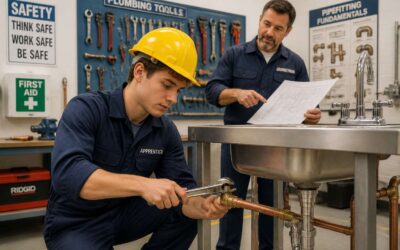
If you’re aiming to be a plumber on cruise ship, the route isn’t a straight line—it’s a voyage of apprenticeships, hands-on gigs, and the odd certification. Career paths start with solid fundamentals and on-the-job training, then branch into specialist tracks like potable systems or automation maintenance. A veteran shipboard plumber likes to say, “We fix the water, we fix the voyage”—and the payoff is steady demand and real responsibility. That’s the life of a plumber on cruise ship.
Entry points into shipboard plumbing roles include:
- Apprenticeships with cruise lines or maritime academies offering hands-on shipboard plumbing coursework.
- Land-based plumbers transitioning via short marine courses in potable water, wastewater, and corrosion control.
- Maritime cadet or trainee programs that combine on-site maintenance with classroom theory.
Beyond entry, training evolves into potable systems, waste management, and automation, opening doors to crew supervision, asset management, or systems design across itineraries, including Southern African routes.
On-the-job training vs formal maritime programs
On a cruise ship, nothing spoils a voyage faster than a flood in the buffet area—except the mind-numbing wait for a fix. A veteran plumber on cruise ship would tell you the job is less radio-silence and more problem-solving on the fly: a mix of gritty hands-on work and smart training that keeps the hull humming and guests smiling.
Career progression blends on-the-job grit with formal maritime training. Shipboard roles advance from mentorship rosters to maintenance leads. The key is formats that suit you: hands-on rotations, accredited maritime courses, or blended online theory with ship-time practice.
- Mentorship-driven rotations that pair new plumbers with seasoned engineers
- Accredited maritime courses delivering a blend of classroom theory and practical shipboard practice
- Blended programs that combine online theory with focused shipboard practicums
From there, opportunities open in supervising crews, managing assets, or shaping system design across itineraries including Southern African routes.
Career progression, salaries, and demand on cruise lines
Cruise lines report a 25% uptick in onboard plumbing roles over the last five years, and the demand for a plumber on cruise ship has never been higher. This field blends gritty hands-on problem-solving with the precision of shipboard systems, where one faulty valve can ripple through a voyage and wake guests with relief.
Career paths fuse on-the-job grit with formal maritime training, offering routes from apprentice to maintenance lead. In South Africa, salaries stay competitive on long itineraries, and demand remains steady as water, wastewater, and automation systems grow more complex across Southern African routes.
- Junior shipboard plumber on rotation gaining mentorship and certifications
- Maintenance lead overseeing critical water and waste networks
- Asset-management specialist shaping system design for new ships
If you relish a disciplined tempo with constant learning, the plumber on cruise ship career keeps the hull humming and the tide in your favor.
Continuing education, certifications, and specialization options
Maritime plumbing is no longer a stopgap career; it’s a voyage toward mastery. Across South African routes, the field has grown 25% in five years, a signal that shipboard water networks demand more than quick fixes—precision, resilience, and a steady hand.
Continuing education unlocks those doors: formal maritime programs, targeted certificates in water treatment and automation, and safety credentials that translate into calmer voyages. Each credential sharpens diagnostics, extends redundancy planning, and paves the way for leadership on deck or in the engine room.
- STCW-based safety and maritime fundamentals
- Certificate in Marine Plumbing Systems
- Automation and remote monitoring short courses
- Wastewater management and backflow prevention certification
Pathways range from apprenticeships to advanced diplomas, with options tailored to ship systems and regulatory scrutiny. The life of a plumber on cruise ship shapes every voyage, offering travel, purpose, and a rare blend of craft and leadership.

0 Comments