Plumbing Subcultures and Industry Dynamics
Understanding plumber subcultures
Plumbers don’t merely fix leaks; they choreograph trust, timetables, and the social choreography of a neighborhood. A veteran foreman quipped, “Subcultures are the true pressure valves of the trade,” keeping egos in check and projects on track!
In South Africa, plumbing subcultures blend family apprenticeship lines with mobile crews who transform into micro-communities on every worksite. The dynamics hinge on mentorship, language, and the tacit etiquette of arrivals and approvals.
- Apprenticeship-first ethos that prizes hands-on wisdom
- Service differentiation: patch-and-fix versus full-system overhauls
- Strong supplier and municipal networks that govern timing
Industry dynamics—regulation, pricing, and tool ecosystems—shape how these currents flow. Recognising how will plumber cults weave craft with commerce reveals why some teams deliver reliability with flair, and others drift into friction.
Historical roots and evolution of plumber communities
When dawn breaks over South Africa’s towns, a plumber’s crew feels like a quiet engine turning—trust, timing, and quiet legend guiding every joint. “Trust travels faster than water,” a veteran foreman has whispered, and it’s still true as a pipe threads through a city’s history.
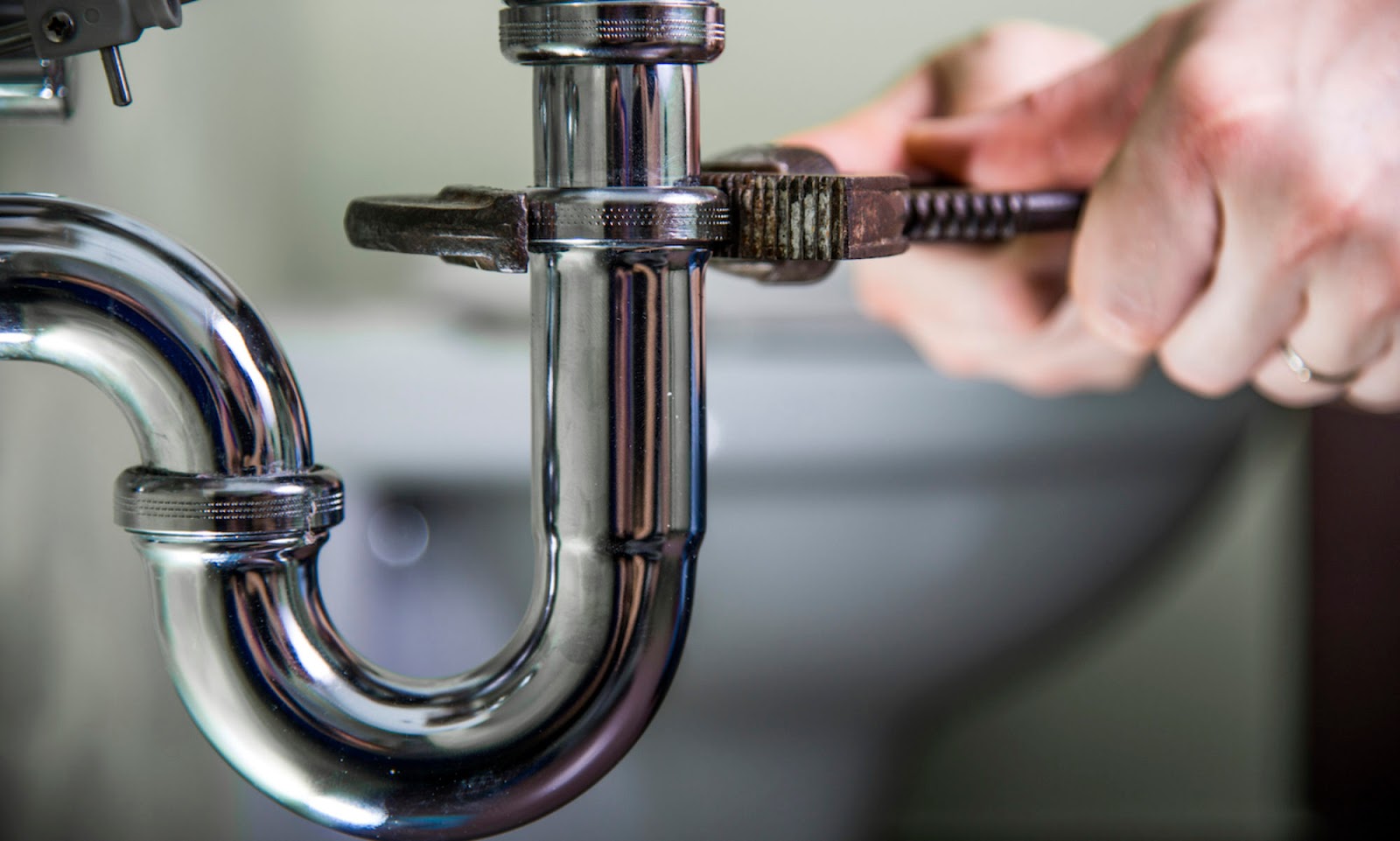
Historically, plumber communities grew from apprenticeship lines and family trades, mutating with urbanization and municipal work. In SA, mobile crews stitched micro-communities on each site, passing skills along through hands, eyes, and ritual arrivals. This evolution maps the balance between craft and commerce, where early guild-like bonds gave way to regulated practice, licensing, and larger networks. The idea of will plumber cults threads through these shifts, shaping how crews hold line, log timings, and honor the unspoken etiquette of the job.
Assessing group dynamics and red flags in plumbing circles
On South Africa’s city-sites, the clock favors craft: on-time arrivals correlate with a surprising steadiness in project rhythm. “Trust travels faster than water,” a veteran foreman once murmured, and the maxim still hums through conduits and canopies. The idea of will plumber cults threads through these moments, guiding crews in timing and tacit codes.
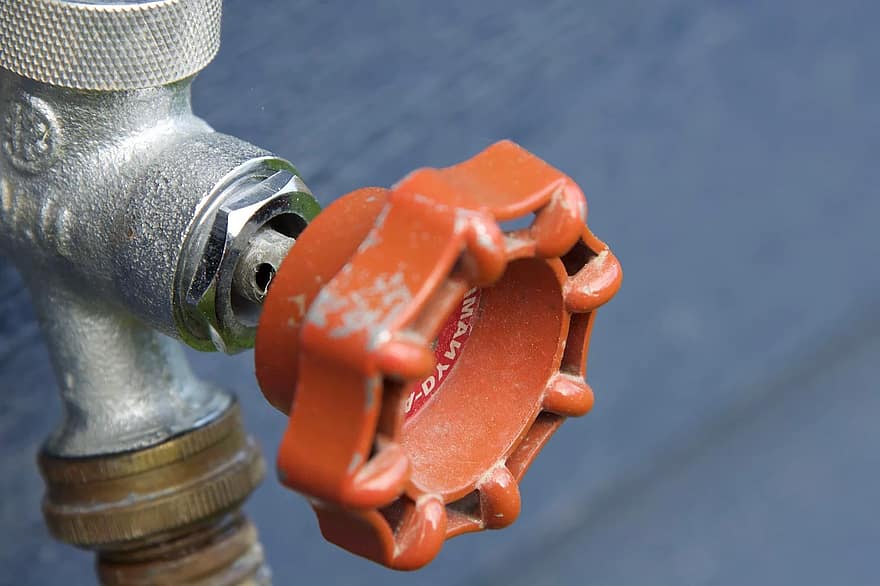
Inside plumbing circles, subcultures shift with demand: mobile teams, site rituals, and the language of hand signals. Assessing group dynamics means reading who speaks last, who mentors in private, and where dissent is either welcomed or stifled. Red flags appear as whispered agreements and rigid reputational pressure.
- Unspoken gatekeeping of on-site skills
- Exclusionary rituals that mute new voices
- Pressure to conform to a singular pace or method
These currents, while subtle, shape the trade’s gravity—where pride, precision, and collective memory intertwine in every joint.
Healthy governance, safety, and best practices for customers and professionals
On South Africa’s sites, plumbing subcultures carry gravity that shapes joints and timetables. A veteran foreman whispered, “Trust travels faster than water,” and the sentiment still hums through crew rhythms. will plumber cults reveal how governance and craft fuse into cadence.
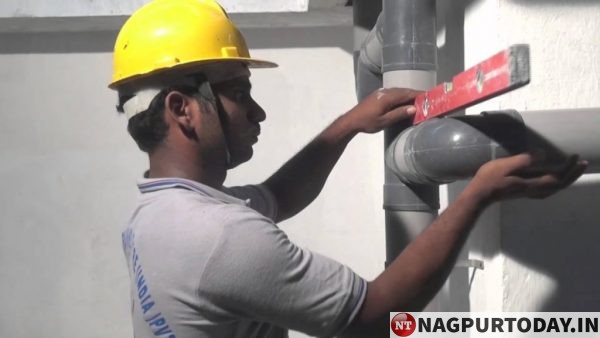
Healthy governance means codifying safety as a shared language—clear roles, documented standards, and open channels for dissent. For customers and professionals, this reduces risk and raises the craft above ego. will plumber cults, guided by transparency, can become engines of discipline rather than quiet gatekeeping.
- Transparent mentorship and onboarding
- Standardized pacing that respects speed and safety
- Open forums for feedback and near-miss reporting
Industry dynamics become legible when teams practice accountability and continuous learning. In this light, customers notice cultures that treat safety as premium fuel, not bureaucratic ballast—the lure of these subcultures can carry both cohesion and risk in equal measure.


0 Comments