Residential Plumbing Work Locations
Single-family Homes and Condos
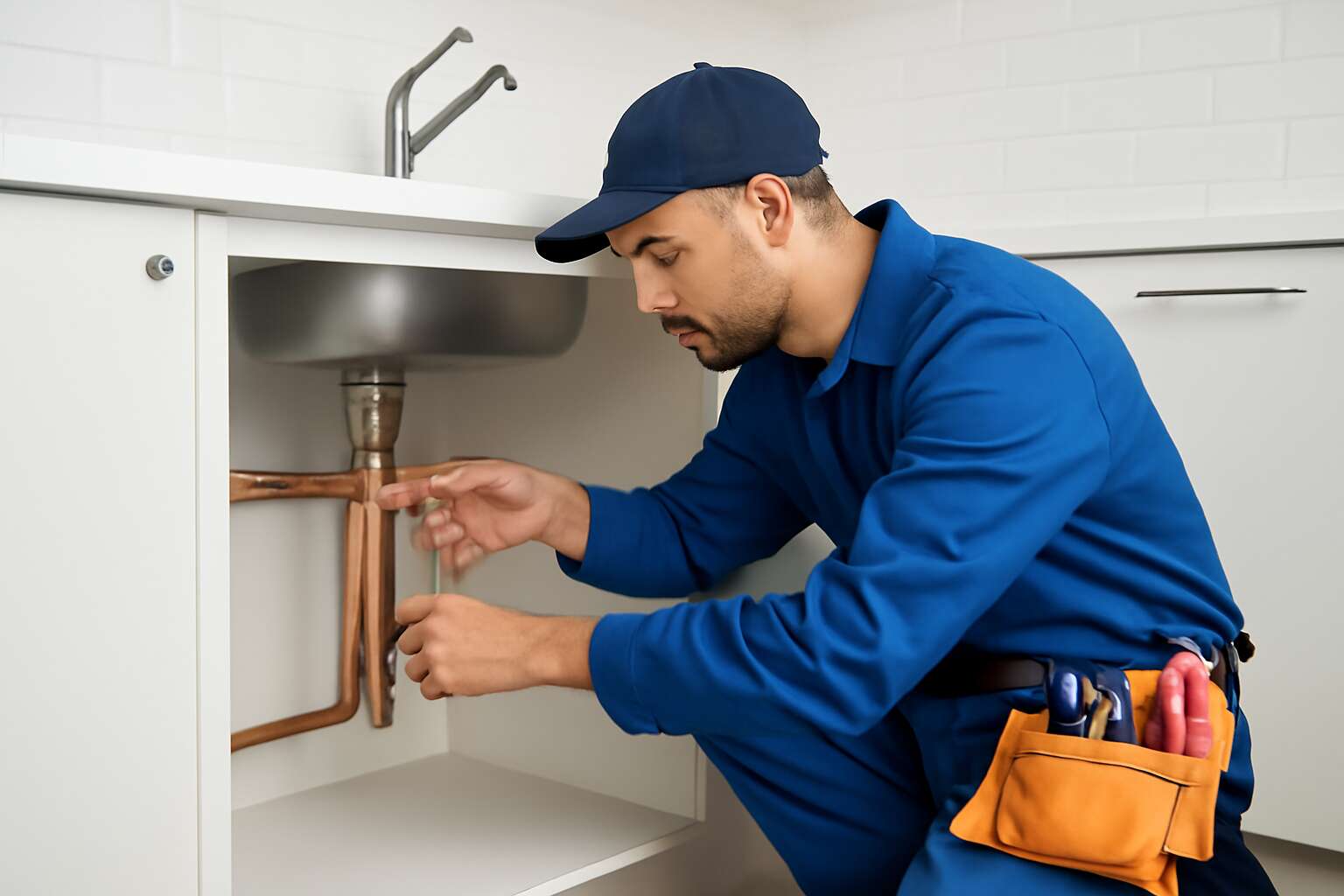
This is a world where plumber work becomes part of daily comfort. In South Africa, a reliable home taps into a rhythm of safety and relief, where water flows with quiet dignity. Residential plumbing locations unfold in quiet drama across single-family homes and condos, elevating the ordinary to something enduring.
- Single-family homes: kitchens, bathrooms, laundry nooks, and basements where pipes reveal a story of care
- Condos: compact supply lines, shared risers, and service rooms that demand precision and modern solutions
- Outdoors and yards: faucets, irrigation, and rainwater systems that deserve thoughtful maintenance
Each visit is a quiet vow to preserve comfort, value, and the dream of a well-tuned home that welcomes life with open doors.
Multi-unit Buildings and Complexes
In the concrete canyons of South Africa, multi-unit buildings hide a quiet orchestra of pipes that keep life flowing. “Water is the quiet infrastructure of daily courage,” a veteran plumber once told me, and that truth lands in every stairwell and service room I’ve walked.
Here, the work demands precision in risers, meter rooms, and shared plant spaces. It’s not about dramatic showpieces but the steady art of diagnosing leaks, repairing joints, and, in those common spaces, the moments where plumber work becomes a quiet chorus that protects communal water pressure.
Typical places where this care takes shape include:
- Riser shafts and shared service corridors
- Meter rooms and backflow zones
- Basement plant rooms and pump stations
- Rooftop irrigation lines and rainwater connections
In these blocks, the tap’s whisper is a shared language, and every fix preserves a little dignity for families who call the same walls home.
Renovation and Retrofit Projects
Across South Africa, renovation projects in homes have shown that simple pipe upgrades can cut water waste by nearly a quarter, revealing the true cost of thoughtful design. In my experience, the quiet art of plumbing is less about spectacle and more about flow, pressure, and patience.
Renovations center on kitchens, bathrooms, utility rooms, and outdoor spaces—places where water meets daily life. Here are typical locations that deserve careful attention:
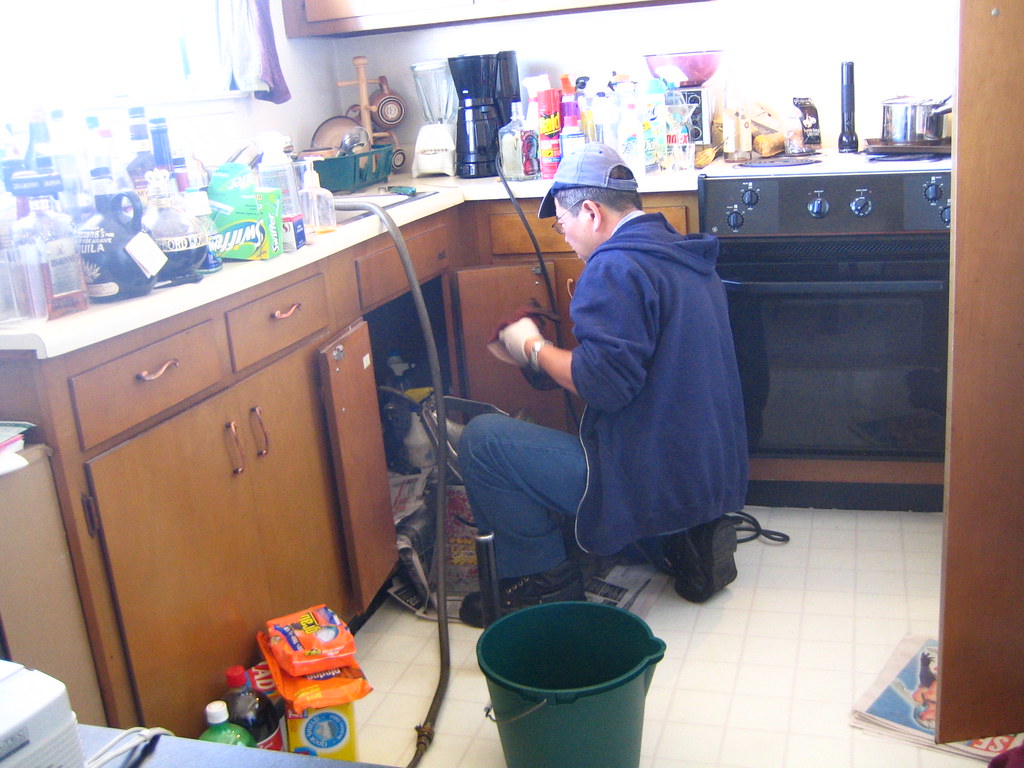
- Kitchens and laundries
- Bathrooms and en-suites
- Utility rooms and under-slab piping
- Outdoor taps, irrigation, and rainwater systems
Planning these upgrades demands an eye for routing, venting, and compatible materials. This is where ‘where plumber work’ becomes a practical question—rerouting pipes in cramped utility spaces, upgrading joints, and choosing corrosion-resistant fittings to endure South Africa’s water quality.
Inside homes, this quiet competence preserves dignity and everyday rituals.
Commercial Plumbing Job Sites
Office Buildings and Retail Centers
Commercial sites run on a different schedule: a single silence in the pipes can cascade into hours of standstill for offices and shoppers. In South Africa, downtime costs ripple through productivity and morale, turning faults into tests of reliability.
On office buildings and retail centers, the challenge is coordinating with facility managers, engineers, and tenants. This is the moment where plumber work meets business continuity. Work spans potable-water systems, backflow prevention, drainage, and stormwater management, all under strict safety codes.
- Water-pressure and flow validation for large-volume systems
- Backflow prevention and cross-connection testing
- Grease trap and interceptor maintenance
- Drain and sewer camera inspections for rapid fault finding
Yet in these corridors of commerce, the human heat remains—the plumber who shows up at dawn, reading pressure like a heartbeat, negotiating with tenants, and safeguarding communities. The work is about trust, ethics, and the stubborn quiet of systems finally singing again.
Restaurants and Food Service Facilities
Restaurants and food-service facilities in South Africa run on a knife-edge of timing—one blocked drain can snowball into a full-service stoppage. In fast-casual and fine dining alike, downtime translates to lost orders and bruised reputations, with kitchens counting every minute.
In these spaces, where plumber work happens, the blend is grease-management strategies, backflow prevention, and robust drainage discipline, all under hygiene codes.
- Grease-management systems and interceptor upkeep
- Backflow prevention checks and cross-connection audits
- CCTV inspections of drains to spot clogs before service hits the floor
Behind the scenes, a dawn arrival, a keen eye on pressure and flow, and a knack for talking to chefs—these are the intangibles that keep dishes delivering.
Hotels, Malls, and Shopping Centers
Hotels, malls, and shopping centers move to a different tempo altogether. A single clogged drain can ripple through guest experiences, so every pipe counts in the public eye. This is where plumber work becomes a careful ballet of pressure, flow, and timetables, performed behind the scenes with quiet authority. In South Africa’s bustling commercial districts, compliance with hygiene codes and local regulations adds another layer of discipline.
- High-volume restroom networks that demand rapid turnover
- Kitchen and back-of-house drainage and grease management
- Backflow prevention and cross-connection audits
Behind the scenes, teams coordinate with facility managers and engineers, keeping floors pristine and visitors untroubled. In these settings, the craft blends safety, speed, and service into an almost ceremonial choreography.
Educational Institutions
In educational spaces across SA, a single blocked drain can stall an exam, pause a lab, or derail a campus tour. A facility manager once said, “We measure uptime in buckets, not minutes.” That bite captures the vibe: where plumber work intersects with safety, schedule, and scrubbed floors, the job is less splashy headline-worthy and more quiet choreography that keeps learning uninterrupted.
In educational institutions, the networks are busy and diverse:
- High-volume restrooms in lecture blocks and dorms
- Lab drainage and chemical-waste lines in science wings
- Kitchen, canteen, and gym facilities drainage and backflow protection
Behind the scenes, teams coordinate with facility managers, safety officers, and school engineers to keep corridors dry and classrooms ready. This is the craft of public-facing plumbing—calm, precise, and essential to the daily mission of learning.
Industrial and Institutional Plumbing Environments
Manufacturing Plants and Warehouses
Factories hum with precision, and a single faulty valve can halt a line and cost a fortune per hour. In industrial and institutional plumbing, reliability isn’t a luxury—it’s the lifeblood of production. This is the frontline where plumber work safeguards uptime and safety!
- Industrial-grade piping and chemical-resistant materials
- High-pressure steam and condensate systems
- Backflow prevention and robust drainage networks
In manufacturing plants and warehouses, maintenance teams demand systems that endure heavy use and corrosive environments.
South Africa’s manufacturing hubs demand systems that endure heat, vibration, and crowded spaces. I’ve watched how disciplined installation and rigorous testing keep lines open, protect workers, and respect local standards, turning every warehouse moment into a smoother, safer rhythm.
Hospitals and Healthcare Facilities
Hospital uptime is measured in minutes, not hours. In South Africa, a 15-minute outage can stall surgeries and delay lifesaving treatments. This is where plumber work keeps the lights on and wards breathing! Quietly under the floors, where sterile corridors meet patient rooms, reliability rules the day.
Healthcare plumbing asks for resilience—medical-grade materials, backflow prevention, and surfaces that survive repeated disinfection.
- Medical gas and vacuum distribution for patient care areas
- Backflow prevention and robust drainage maintaining isolation rooms
- Corrosion-resistant piping and cleanable linings in wet zones
From Cape Town to Port Elizabeth and beyond, hospital campuses weave complex networks into aging buildings. The plumber’s daily routine is a careful balance of reliability, safety, and compliance with South African standards—a quiet, indispensable craft that keeps care moving.
Wastewater Treatment and Utilities
In the heart of South Africa’s industrial arteries, uptime is measured in minutes, not hours. Industrial and institutional plumbing consoles the flow of wastewater treatment and utilities with a quiet vigor, transforming rust and pressure into steady service. This is where plumber work keeps the machines singing.
- Wastewater treatment lines, digesters, and grit removal essential for process integrity
- Process water and cooling loops that sustain heavy industry and public utilities
- Robust drainage, backflow prevention, and corrosion-resistant piping for harsh environments
From institutional campuses to sprawling industrial parks, networks thread through concrete and steel, weaving reliability, safety, and compliance into a living conduit of progress.
Industrial Construction Projects
In South Africa’s industrial arteries, uptime is a pulse measured in minutes. Across institutional campuses and sprawling industrial parks, the plumbing that feeds process lines, cooling circuits, and water treatment is quiet artistry. “Reliability isn’t flashy, but it pays,” a plant manager told me, and I felt that truth in every welded joint. This is where plumber work and the rhythm of steel meet—turning rust and pressure into steady service.
Environments like these demand systems that endure, from high-capacity process and service loops to corrosion-resistant materials. Built to last through harsh temperatures and heavy cycles, these networks are the invisible skeleton of industry.
- High-volume process and service water loops integrated with controls
- Durable piping networks for harsh environments and long life
- Proactive testing, backflow protection, and corrosion-resistant coatings
Together, institutional campuses and industrial parks reveal how plumbing transcends utility to become architecture you can feel.
Specialized Plumbing Work Settings
Emergency Response and Disaster Recovery
In South Africa, municipal leaks drain more water than the rain, and the craft of plumbing becomes a lantern in the dark. In the murky corridors of urban life, where plumber work threads its way through walls and water clocks, preparedness runs on instinct and timing.
- Rapid shutoff systems and flood containment
- Hazard assessment and containment of contaminated water
- Backflow prevention and cross-connection control
- Temporary power and lighting coordination for after-hours work
In specialized settings, readiness means pre-planning, adaptive tactics, and calm under pressure. Teams evaluate water quality, route materials, and coordinate with property managers to minimize downtime and damage.
During emergencies and disasters, technicians coordinate with authorities, restore essential services, and document repairs for future resilience. The work is precise, tense, and uniquely nocturnal.
Rural and Remote Locations
In the veld where the wind tastes of copper and tin roofs glint at dusk, resilience becomes the only map. Across rural South Africa, a single pump can sustain a homestead; this is where plumber work becomes a lifeline, a quiet lantern guiding communities through the dark.
Specialized settings demand off-grid wisdom: boreholes, gravity-fed mains, and pumps that sip sunbeams. I’ve tuned solar arrays to wake a village, mended leaky mains from a hilltop, and coached farmers to anticipate storms!
- installing and rehabilitating boreholes for reliable water supply
- designing off-grid pumping and gravity-fed networks
- coordinating with local landowners and councils to secure access
From a remote outpost to a wind-swept settlement, the craft remains patient, precise, and unyielding. We plan, adapt, and listen for the whisper of a pipe under pressure.
Historic Renovations and Preservation Projects
Heritage buildings demand a surgeon’s touch—pipes are hidden artefacts. Across South Africa, the right plumber protects history and function alike. It’s where plumber work becomes restoration as much as repair, and I treat centuries-old plaster as worthy of care while modern taps meet practical needs.
Specialized settings demand a patient eye. We map routes, test for aging materials, and source fixtures that honour design while meeting codes.
- Assess original pipe routes with architectural records
- Replace only what is necessary, using non-destructive methods
- Preserve historic fixtures where possible and document changes
Conservators and councils review every valve, every joint, every stamp. The result is quiet reliability that respects the past and serves the present!
High-rise and Skyscraper Installations
Tall glass towers are the lungs of a city, inhaling possibility and exhaling pipes of quiet ceremony. In high-rise and skyscraper installations, where plumber work unfolds with vertical precision, every riser and valve must sing in harmony with gravity, pressure, and safety codes.
I map routes through concrete, test aging materials without demolition, and source fixtures that endure Cape Town’s breeze and urban heat. We respect architectural lines while ensuring service—every joint stamped, every seal tested. From penthouses to mechanical floors, quiet reliability rises with the hands of specialists!
- Riser routing and pressure zoning
- Hydraulic balance and pump coordination
- Non-destructive inspection and leak detection
Geographic and Service-Area Considerations
Local vs. Regional Service Areas
A mighty map unfurls as the sun rises: where plumber work isn’t just a locale, it’s a living geography in motion. “Water is civilization’s lifeblood,” a master craftsman once whispered, and every pipe line begins by reading the terrain of service areas across South Africa—the local heartbeat and the broader reach that keeps a city flowing.
Local, neighbourhood focuses cover single suburbs and mining towns, while regional service areas extend to satellite towns and coastal corridors. The balance hinges on population density, municipal zoning and permitting, travel time, and after-hours flexibility.
- Population density and urban spread
- Municipal zoning and permitting processes
- Travel time and fuel efficiency
- Response-time expectations and coverage
Geography wields a map-like wand, guiding crews, vehicles, and schedules through the SA climate mosaic—from arid stretches to vibrant coastal cities—showing where plumber work finds its rightful place in the great network of water and waste.
Travel Time and On-site Assessments
Two-thirds of service delays trace back to travel time, a hook that pulls geography into the foreground. In South Africa, the question isn’t merely where plumber work happens, but where the crew can reach you fastest without being swallowed by detours or weather quirks.
On-site assessments act as a compass. A brisk walk-through of access doors, meter pits, water mains, and elevation helps the team justify staging, timing, and which permits must be summoned. The result is a routing advantage that translates into predictability for clients and crews alike.
- Terrain and site access
- Roads, traffic patterns, and remoteness
- Weather windows and seasonal constraints
- Nearby utilities and meter pits
When these local realities are mapped, the service area reveals its true geography—where plumber work becomes a clean, coordinated flow across SA’s urban sprawl and coastal corridors.
Licensing and Permits by Location
In South Africa, the clock sits beside the wrench. A telling stat from industry chatter puts licensing and site access responsible for up to a quarter of project delays, a stubborn reminder that geography is a timeline you can’t ignore. The map of where plumber work actually happens is a map of permissions, prefixes, and waiting rooms.
Licensing and permits by location shape every job—from municipal building permits to water-utility approvals and environmental compliance. When crews cross boundary lines between metros and townships, jurisdictions bend schedules and feasibility, turning a clean job into a measured negotiation with calendars and councils.
Understanding these rules is a compass for the service area; it reveals where plumber work actually happens in practice and how crews align with municipal calendars. It’s not only about who you hire—it’s about the legal canvas that makes a clean, predictable flow possible across SA’s varied neighborhoods.
Seasonal Demand and Peak Times
Seasonal demand can surge nearly 30% in the cold months, turning quiet neighborhoods into a chorus of calls. In this climate, the question isn’t merely who to hire; it’s where plumber work actually begins—geography shapes the flow as surely as water follows gravity!
Geographic and service-area considerations color every job: the miles between a truck and a tap, the calendars of municipalities, and the uneven pulse of infrastructure across SA. To map the realities, consider these patterns:
- Urban metros with dense housing and brisk response expectations
- Rural routes with longer travel times and wider service radii
- Remote townships and coastal settlements facing seasonal access challenges
Knowing this geography helps us serve with dignity and precision, aligning every project to the natural hydraulic rhythm of communities where plumber work belongs.


0 Comments