The Plunger as a Plumbing Tool: Types and Benefits
Understanding plunger types and when to use them
Across South Africa, a blocked drain can derail a dinner party faster than a late taxi. A surprising 60% of clogs yield to the right plunger before a service call.
There are several plunger varieties, each serving a distinct purpose. Consider:
- Cup plunger for sinks and showers
- Flange plunger for toilets
- Bellows/accordion plunger for stubborn blockages
These tools work by marriage of pressure and seal. The cup plunger creates a broad suction, the flange plunges deeper into the toilet bole, and the bellows adds extra oomph when patience wears thin.
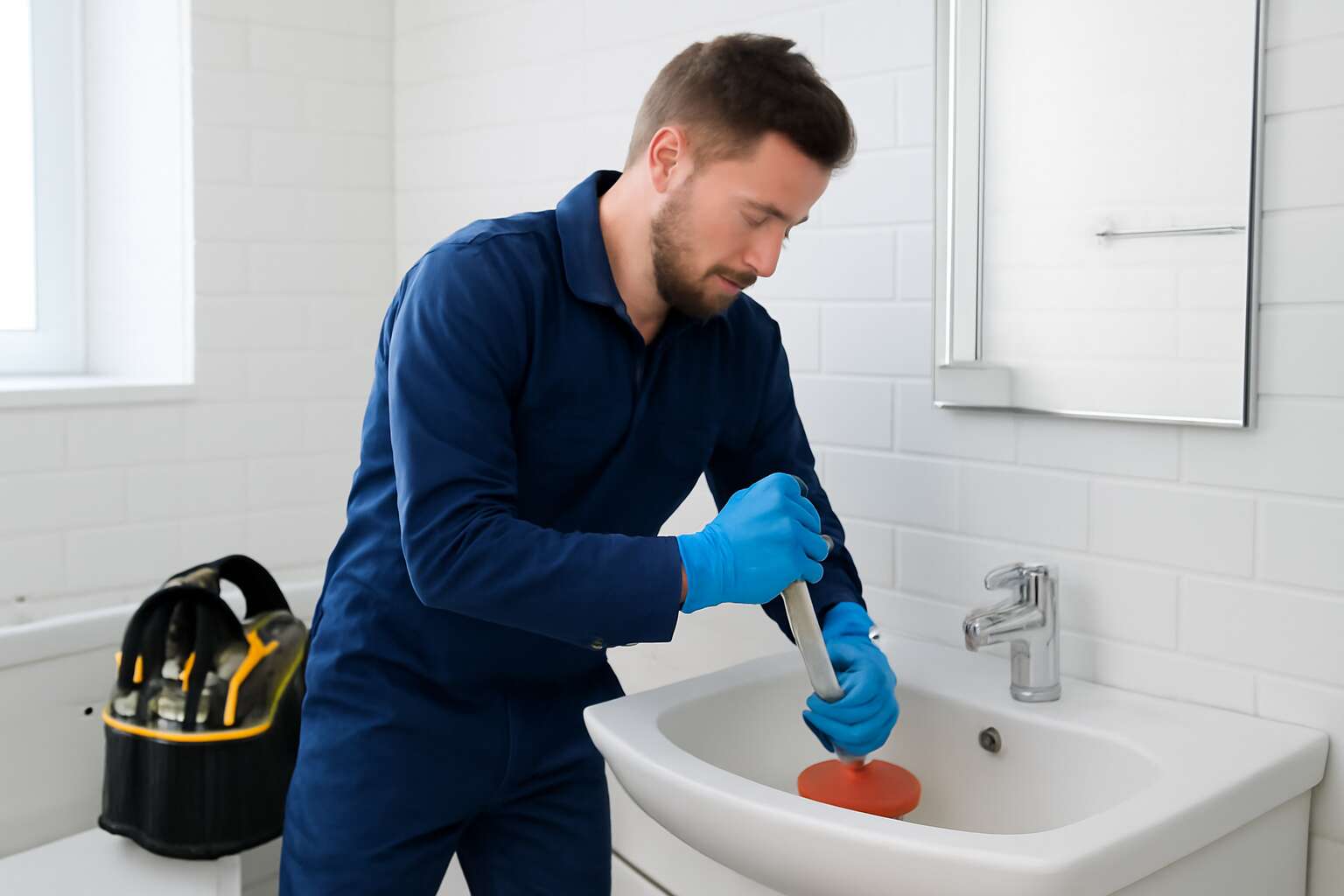
In South African homes, a competent plumber with plunger signals both practicality and poise—an ally when drains misbehave and etiquette must be maintained.
Benefits of using a plunger for clogged drains
Across South Africa, a blocked drain can derail a dinner party faster than a late taxi; 60% of clogs yield to the right plunger before a service call. The plumber with plunger embodies practicality and poise, a quiet guardian when taps sing off-key and etiquette must be preserved.
- Fast, reliable relief from clogs
- Minimal mess and disruption
- Cost-effective maintenance that avoids urgent calls
These variations—cup, flange, and bellows—offer different reach and sealing finesse, yet all share a promise: a seal that unlocks resistance with gentle, deliberate pressure. Timely action and a measured rhythm reveal the quiet physics of a drain returning to harmony.
Common mistakes with plungers and how to avoid them
Across South Africa, I—a plumber with plunger—know that a single seal can restore order to a balky drain! A swift, patient squeeze can buy time for the kitchen to breathe again, turning what feels like a catastrophe into routine maintenance. This tool embodies quiet competence in a noisy city.
Cup, flange, and bellows variations offer different reach and sealing finesse, each a small tactician in the war against clogs. They deliver fast relief with minimal mess and keep the rhythm of a home intact.
- Not achieving a proper seal—the suction collapses when air escapes around the edge.
- Using the wrong plunger type for the drain—mismatched tools dilute effectiveness.
- Brute forcing with forceful pushes—imprudent pressure jars fittings, not drains.
- Mixing cleaners with plungers—hazardous reactions and blocked work; keep the plunger distant from chemicals.
Safety tips for using a plunger at home
Across South Africa, clogged drains cost homeowners time and money, with a stubborn blockage popping up in kitchens and bathrooms more often than anyone cares to admit. A plumber with plunger turns uncertainty into certainty, believing a single seal can restore order and momentum!
That tool isn’t a one-trick wonder. The plunger’s forms—shapes and reach—offer different sealing angles and motion. When used with care, these variations deliver quick relief while sparing fittings and floors from mess, keeping the bustle of the home intact.
Safety matters as much as technique. Before fastening the handle, remove any nearby chemicals and protect the area. Use steady, measured pressure and never force a stubborn clog. The plumber respects boundaries of the system and the home.
Consider these essentials:
- Keep cleaners away; never mix with plungers
- Seal the drain evenly and press with measured force
- Clean and dry the area after use
Plunger usage techniques for different drains
Using a cup plunger vs. flange plunger
Clogs crash through a day fast. In South Africa, a blocked drain can derail plans in minutes, but the right tool changes the game—a plumber with plunger who knows when to act and what to use.
For different drains, cup plungers shine on flat sinks and basins, while flange plungers excel on toilets thanks to their extended lip. Each tool fits a niche, letting a skilled technician tailor the approach without disruption to the home.
- Cup plunger: best on flat, non-porous surfaces like sinks and basins
- Flange plunger: designed for toilets with a built-in conical seal
Toilet plunging: step-by-step method
In South Africa, a blocked toilet can derail a day in minutes, turning a quiet morning into a sprint to the nearest store. “A clogged loo is a loud reminder to act,” quips a veteran plumber. A plumber with plunger arrives ready to feel the rhythm of the flush and guide the water back to order.
Follow these steps for a toilet that resists a flush.
- Fill the bowl with enough water to cover the plunger lip.
- Position the plunger to create a tight seal over the outlet.
- Pump with steady, vertical strokes for 15-20 seconds.
- Check the drain and, if necessary, repeat; if still blocked after several cycles, call a professional plumber.
Mastering this rhythm in South African homes means fewer disruptions and a calmer evening. If the clog stubbornly persists, professionals bring a deeper toolkit and a scheduled approach.
Plunging sinks, tubs, and showers effectively
South African homes know the dread of a stubborn drain all too well. A blocked sink or shower can derail a morning and turn it into a scramble for a bucket and a plunger. The rhythm of a plunger, when used with swagger, can restore a calm flow.
For sinks, position the plunger so the cup covers the drain, then press with steady, confident pushes. A plumber with plunger would tell you to keep the seal tight and the strokes even, letting the air and water do the work rather than brute force.
- Sinks: seal the lip and apply controlled pressure to coax the blockage loose.
- Showers and bathtubs: use a sturdy plunger with a full cover and consistent rhythm to move the clog toward the outlet.
With the right technique, many clogs clear quickly; if not, professionals bring a deeper toolkit.
Troubleshooting when plunging doesn’t work
Across South Africa, clogged drains arrive like a sudden storm—nearly 1 in 3 households deal with a stubborn clog each year, turning a simple morning into a scramble for a bucket and a plunger. The rhythm of a plunger becomes a meditation, and the plumber with plunger understands that timing matters more than force when the water finally starts to sing again.
Sinks: seal the lip and apply controlled pressure to coax the blockage loose. A plumber with plunger would tell you to keep the seal tight and the strokes even, letting air and water do the work rather than brute push.
Showers and bathtubs respond to a full cover and a steady rhythm to move the clog toward the outlet, restoring the room’s calm as the drain resumes its natural cadence. The right approach isn’t aggression but harmony between air and water, patience and precision.
If plunging doesn’t clear the path, the situation shifts from routine to assessment. Troubleshooting in this space focuses on what lies beyond the surface—what deeper drains, venting, or system layout might be resisting the flow.
- The blockage may be deeper than the trap or involve multiple drains.
- Ventilation or improper slope could be hindering drainage.
- A professional assessment by a plumber with plunger can bring a deeper toolkit and a fresh perspective.
Choosing the right plunger: guide for homeowners
Assessing plunger size and material
In South Africa, a surprising 40% of clogged drains are resolved at home once the right tool is chosen. A confident plumber with plunger knows that tool choice is the secret to trouble-free flushing and fewer service calls. Size and material aren’t random; they’re a quiet puzzle waiting to be solved.
Assessing size is about fixture, not fear. For sinks and baths, start with a cup plunger; toilets need a flange model. Observe the cup’s diameter in relation to the drain opening and the potential for a seal that fits without strain.
- Material quality and flexibility
- Right diameter for your drain
- Handle length for leverage
Material matters: natural rubber vs synthetic; avoid brittle seams; a sturdy handle prolongs use and is easier to store. The right choice keeps your home’s pipes humming and your day moving.
Identifying which plunger to buy for toilets
Across South Africa, 40% of clogged drains surrender to home remedies when the right tool is chosen. That figure isn’t mere trivia; it’s a sly reminder that plunger politics are real. Choosing the right plunger for toilets isn’t bravado—it’s a quiet exercise in porcelain psychology.
A plumber with plunger respects the toilet’s anatomy and knows: flange toilets demand a different wedge than standard cups. Even a plumber with plunger will tell you that a good seal matters more than swagger.
To identify what to buy for toilets, look for:
- Flange compatibility
- Durable natural rubber or flexible synthetic seams
- Handle length for leverage
Let the tool fit the throne, not your ego, and the rest follows with fewer service calls.
Where to buy plungers and budget tips
Across South Africa, 40% of stubborn toilet clogs bow to the right tool rather than brute effort, a statistic that hints at the quiet art of selecting a plunger. A plumber with plunger understands this: the throne demands a seal, not swagger, and the right plunger makes all the difference.
Choosing the right plunger blends fit with the toilet’s design, material resilience, and practical leverage. Seek a snug seal, sturdy construction, and a handle long enough to offer confident control.
Where to buy plungers and budget considerations come into play:
- Where to buy plungers: reputable hardware stores, plumbing suppliers, and trusted online retailers
- Budget considerations: durability and warranty usually trump the cheapest option
- Sizing and storage: choose a size that fits your space and a design that stores neatly
Maintenance and longevity of plungers
South Africa’s homes deserve tools that respect the plumbing system. The right plunger earns its keep with a clean seal and calm leverage—no bravado, just reliability. A properly chosen plunger makes everyday bathroom maintenance predictable, almost elegant in its simplicity!
Maintenance and longevity come from routine care: rinse after use, wipe the seal, and store upright in a dry spot. A plumber with plunger knows that handles should be tight and the seal replaced when worn. Avoid harsh chemicals that degrade rubber; a quality unit lasts longer.
- Rinse and dry the seal after each use
- Store upright away from sunlight
- Replace worn gaskets promptly
Eco-friendly and chemical considerations when plunging
South Africa’s homes spend an average of three hours a year wrestling with clogs, a small drama with big consequences. A good plunger is a quiet ally—reliable, respectful of the plumbing, and somehow elegant in its restraint.
Choosing the right plunger means weighing eco-friendly materials, durability, and the right fit for toilets and sinks. Look for quality rubber, a sturdy handle, and thoughtful design that favors leverage over brute force. Eco-friendly materials aren’t optional flair—they keep the system happier in the long run.
- Materials: durable, non-toxic rubber with minimal fillers
- Chemical considerations: seals that tolerate eco-friendly cleaners but avoid solvents
- Design: toilet flange compatibility vs. sink cup
- Manufacturing: eco-friendly processes and recyclability
In the hands of a plumber with plunger, the seal and leverage speak louder than bravado.
Beyond plungers: other tools and professional help
When to call a licensed plumber
South Africa’s homes face clogged drains with a cost that can surge into the hundreds of rand for emergency visits; a recent industry survey notes 65% of stubborn blockages warrant licensed intervention. Beyond plungers, professionals reach for a toolkit of precision, delivering flow and relief with quiet confidence.
- Drain augers and electric snakes reach deep blockages
- Hydro-jetting clears mineral buildup and greasy grime
- CCTV drain cameras locate the blockage’s source
When symptoms linger—recurrent clogs, gurgling, or slow drains—calling a licensed plumber is prudent. They bring diagnostics, fittings, and proven methods to restore flow without guesswork. Even a seasoned plumber with plunger respects when to escalate to professional diagnostics.
Alternative DIY methods that complement plungers
Beyond plungers, a harmonized toolkit awaits. In South Africa’s homes, blockages are rarely simple, and even a plumber with plunger respects when to call for precision gear and a diagnostic eye to read the pipes’ whispers.
Alternative DIY methods that complement plungers can offer a bridge between quick relief and lasting flow. Think warm flushes of water, gentle enzyme blends, and routine checks of accessible traps—approaches that soothe the pipes without turning the house into a science lab.
To balance risk and reward, a concise toolbox of options can guide decisions in the moment and beyond.
- low-risk DIY tactics that complement plungers
- professional-grade inspections for stubborn cases
What to expect from professional drain cleaning
In South Africa’s homes, beyond plungers, a harmonized toolkit keeps water moving. Even a plumber with plunger can bring quick relief, but precision gear and a diagnostic eye read the pipes’ whispers. Expect a professional approach that prioritises safety, cleanliness, and the long-term health of your drains.
- inspection camera for hidden jams
- high-pressure water jetting
- rotary drain snakes or power augers
What to expect from professional drain cleaning? A licensed team will start with diagnostics, locate the blockage, clear it, and run a post-cleaning check to confirm flow and leak-free joints. In SA, this work follows strict standards to protect your home and your wallet!
Preventative plumbing tips to reduce clogs
A drain is only as smart as the tools you bring to it, says a seasoned SA plumber. Beyond plungers, a harmonised toolkit keeps water moving and mischief at bay. An inspection camera reveals hidden jams, high-pressure water jetting blasts stubborn build-up, and rotary drain snakes bite through stubborn blockages.
- Inspection camera for hidden jams
- High-pressure water jetting
- Rotary drain snakes or power augers
As any plumber with plunger would tell you, prevention beats emergency calls. Regular diagnostics, mindful routine maintenance, and sensible material choices help maintain flow and protect your drains long-term. In SA, these measures align with safety and cleanliness standards.



0 Comments