How liquid drain cleaners work: science and ingredients
What liquid drain cleaners are and how they function
One in three South African homes contends with a clogged drain each year, a statistic that underlines the stubborn physics of water and waste. In the quiet kitchens and damp bathrooms, liquid drain cleaners lean on science, not folklore, to coax hair, grease, and soap scum back into motion. They cluster into caustic bases, oxidizers, and solvents, with surfactants helping the mess slip away.
- Caustic bases (sodium hydroxide, potassium hydroxide) saponify fats and melt organic matter
- Oxidizers (sodium hypochlorite, peroxides) break down organic clumps with oxygen release
- Surfactants and solvents loosen, dissolve, and help carry debris away
These formulas are designed to reach past standing water, react with the clog, and restore a clear channel. In the ongoing conversation about liquid plumber versus drano, the key is matching chemistry to the type of blockage and pipe material. The result is a cleaner that moves matter along with confidence.
Key active ingredients in Drano and Liquid-Plumr
When your sink in a South African kitchen sighs and refuses to drain, the language of liquid cleaners becomes a language of kitchen theatre and science. Drano and Liquid-Plumr share a straightforward cast: active ingredients that target the clog, not your copper pipes’ romance.
The key active ingredients fall into three acts:
- Caustic bases (sodium hydroxide, potassium hydroxide) that saponify fats and break down organic matter
- Oxidizers (sodium hypochlorite, hydrogen peroxide) that release oxygen to crack apart clumps
- Surfactants and solvents that loosen, dissolve, and help debris slip away
In the ongoing dialogue about liquid plumber versus drano, formulation choices tailor the chemistry to the clog and the pipe — a chemistry of confidence rather than bluster.
How these products flow through plumbing and reach clogs
Clogs aren’t dramatic—just stubborn fats and gunk acting like party crashers. A local plumber jokes: “Chemistry wears a lab coat in your pipes.” When you pour a liquid cleaner, it races with the water, threads past the trap, and starts loosening gunk where the clog clumps.
Flow through piping hinges on viscosity, surface tension, and the maze of bends in a typical South African kitchen. Formulations skim along the water line, cling where needed, and slip into the drain with enough confidence to avoid a splashy street parade in your sink.
In the ongoing liquid plumber versus drano dialogue, it’s less about dramatic flair and more about how the chemistry is tuned for your pipework. The idea is simple: reach the clog, soften the build‑up, and let the flush do the rest.
Common clog scenarios they’re designed to solve
Clogs aren’t dramatic—they’re stubborn. In SA homes, a simple blockage can mask a bigger problem, yet a quick chemical nudge often does the trick.
Liquid drain cleaners rely on a blend of alkalis, oxidizers, and wetting agents that ride the water line to the clog. They target fats, hair, and mineral build‑ups, loosening gunk so the flush can finish the job. When you compare liquid plumber versus drano, you’re looking at formulations tuned to South African pipework—short, targeted reactions that cling to the gunk without splashing back into the drain.
Common clog scenarios they’re designed to solve include:
- kitchen grease and fats
- hair and soap scum in bathroom drains
- food particles in disposals or sinks
Situations where chemical cleaners may fail
In the SA market, liquid drain cleaners operate by a precise chemical choreography—alkalis, oxidizers, and wetting agents ride the water to the clog, where heat and moisture work to loosen stubborn gunk. The science favors a short, targeted reaction that keeps aggressive chemistry contained while it clears fats, hair, and mineral scale from the pipe walls. This is where liquid plumber versus drano becomes more than a label; it’s a deliberate tuning to South African pipework and flow dynamics.
- Mineral scale and hard water residues that slow or stall the initial reaction.
- Blockages from non-organic materials or heavy disposals that chemical alone can’t shift.
- Dry or poorly vented drains where cleaners can’t circulate to reach the clog.
When chemistry meets its limits—aging pipes, non-organic obstructions, or poor venting—chemical cleaners may stall and reveal a bigger problem behind the blockage.
Brand profiles: Drano vs Liquid-Plumr
Overview of Drano products and formulations
One in three South African homes faces a clogged drain each year, turning a simple nuisance into a stress test for household confidence. The question—liquid plumber versus drano—is less about hype and more about how a formula meets your pipes under pressure.
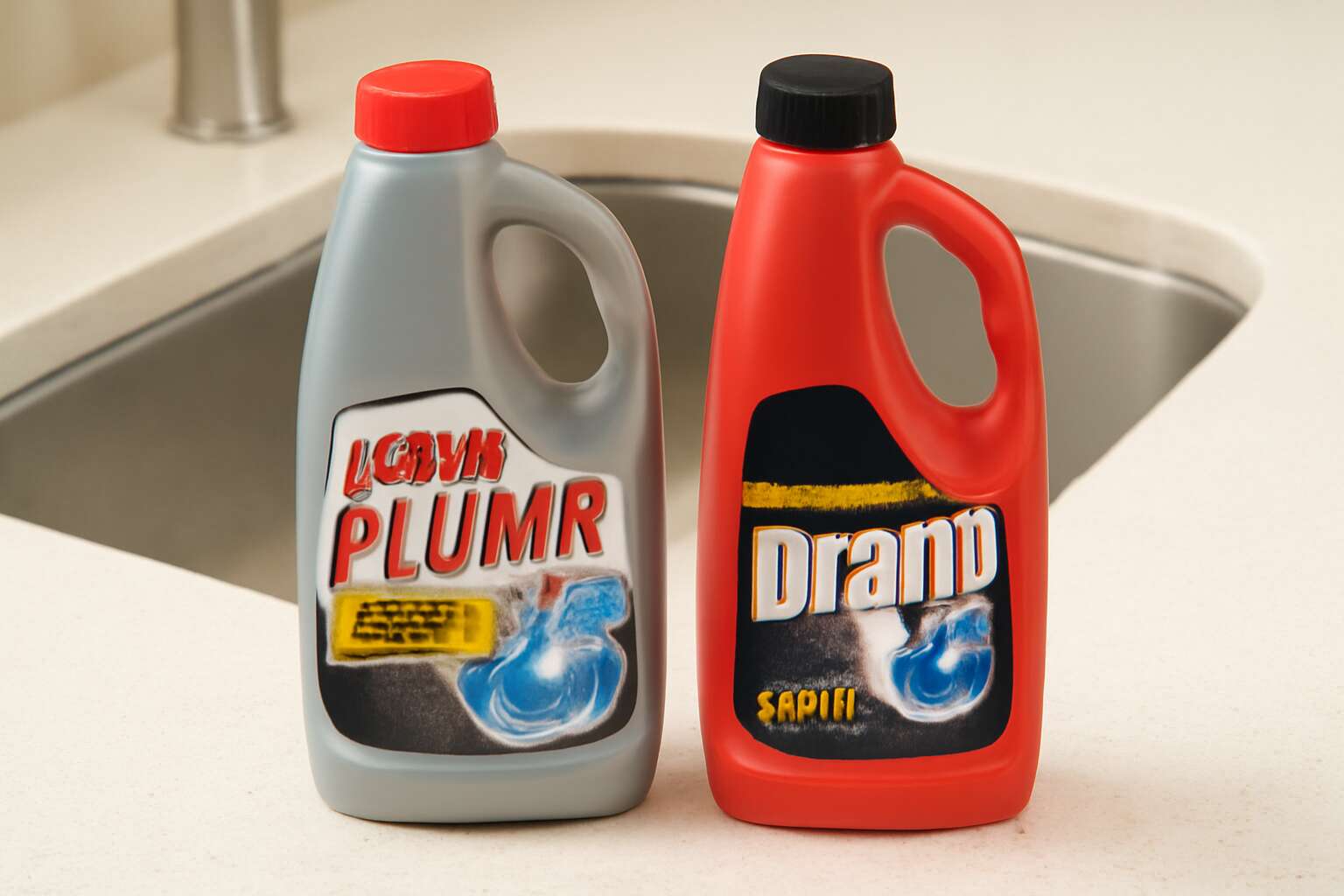
Drano leans into thick gels and versatile liquids. Thick gels like Drano Max Gel cling to walls, letting chemistry work where water flows. These formulations aim for rapid, practical results with predictable pour-and-release action.
Liquid-Plumr emphasizes foams and targeting hair and soap scum, often with enzymes or foaming action to lift clogs from the trap and pipe.
Ultimately, the choice hinges on clog type, pipe age, and your risk tolerance for chemical cleaners.
Overview of Liquid-Plumr products and formulations
One in three South African homes faces a clogged drain each year, a statistic that makes brand loyalty feel almost existential. The brand profiles unfold as a dialogue between Drano and Liquid-Plumr, two familiar voices in SA kitchens and bathrooms.
Drano leans on reliability and a straightforward chemistry—thick gels that cling and work where water flows, a pragmatism born of long-term trust.
Liquid-Plumr pursues speed and foaming action, with enzyme-driven formulas that target hair and soap scum, lifting clogs higher in the trap and pipe.
For many households, choosing between liquid plumber versus drano is less hype and more temperament—risk tolerance, pipe age, and the desired pace of relief. Brand profiles at a glance:
- Drano: gel-based, pour-and-release action, familiar scent
- Liquid-Plumr: foam- and enzyme-driven, fast-acting delivery
- Targeted formulations for hair, soap scum, and mixed clogs
Kitchen vs bathroom drain solutions: choosing the right formulation
Three in ten South African homes battle a clog each year, turning a simple rinse into a ritual of patience. In SA kitchens and bathrooms, two familiar voices—Drano and Liquid-Plumr—offer two approaches: steadiness or sprint. The choice is a temperament, shaped by pipe age, water flow, and the pace relief arrives.
Drano leans on reliability and straightforward chemistry—gel-based action that clings to the sides where water still pools, then releases when the path clears. Liquid-Plumr pursues speed and foaming action, with enzyme-driven formulas that corral hair and soap scum, lifting clogs toward the trap and beyond.
- Kitchen drains: grease and oil buildup
- Bathroom drains: hair and soap scum
- Mixed clogs: elements from both environments
When weighing liquid plumber versus drano, the decision becomes a matter of tempo and trust: a gel’s patient cling vs a foam’s rush. In South African homes, kitchens tend toward Drano’s pour-and-release rhythm, while bathrooms often lean into Liquid-Plumr’s foam-and-enzyme surge.
Myths and facts about these brands
Brand profiles in the liquid plumber versus drano saga reveal two distinct approaches to clearing clogs. In South Africa’s kitchens and bathrooms, Drano is the patient gel that clings to damp walls until the water relents, while Liquid-Plumr pursues speed with foaming action and enzyme drama. Bold contrasts emerge—a temperament of steadiness versus urgency—shaped by pipe age, water flow, and daily life.
Myths and facts about these brands surface in every plug. Here are a few that often circulate:
- Myth: Drano is gentler on pipes. Fact: Cautions exist; misapplication can strain seals.
- Myth: Liquid-Plumr is the only option for hair. Fact: Both target hair differently; neither is universal.
- Fact: SA packaging reflects local safety standards and reformulations.
Understanding these myths and facts reveals why a household’s tempo matters in the liquid plumber versus drano conversation, and how brand narratives have evolved to suit SA homes.
Effectiveness and limitations
Clogs caused by hair, grease, and soap scum: which brand performs better
When a South African sink clogs, hair, grease, and soap scum stage a stubborn chorus. The question on every homeowner’s lips is liquid plumber versus drano—whose performance earns the standing ovation when the water hesitates to drain?
Effectiveness and limitations: Hair clogs often yield to a brisk blast, yet soap scum and mineral buildup can resist a single pass. In kitchen vs bathroom scenarios, results vary; neither formulation is a miracle, and older pipes mute the impact.
- Hair clogs: Drano acts quickly; Liquid-Plumr clings longer.
- Grease/soap: Both battle greasy layers, with Liquid-Plumr showing strength.
- Limitations: Mineral buildup can defeat a single pass.
Ultimately, liquid plumber versus drano reveals a nuanced winner by scenario: one may excel on greasy, layered blockages, the other on fibrous snags. The choice hinges on the clog’s makeup and the age of the plumbing.
Clog types and expected results
South African homes know the moment the sink holds its breath and won’t drain. When you weigh liquid plumber versus drano, the choice often hinges on clog shape and pipe age. I’ve seen kitchens battle grease and bathrooms wrestle fibrous snags, each home writing its own ending.
Effectiveness varies with clog makeup and line condition. A single pass may solve a slick, new blockage; tougher buildups and older pipes often push results toward patience and repetition.
- Fibrous hair clogs: may loosen, but sometimes require more than one attempt.
- Grease and soap scum: can soften layers but cling where deposits are baked on.
- Mineral buildup: resists a lone treatment and benefits from multiple passes or a different approach.
In weighing liquid plumber versus drano again, homeowners note results vary by drain and pipe age. Clog types and expected outcomes shift with kitchen versus bathroom lines and pipe material. In older South African homes, relief tends to be gradual rather than dramatic.
Time to use: application duration and flushing requirements
Nearly half of South African households faced a slow drain at least once last year, a reminder that a simple sink can become a drama. When weighing liquid plumber versus drano, the choice often hinges on clog shape and pipe age, each home writing its own ending.
Effectiveness varies with clog makeup and line condition. A neat, new blockage might yield a swift response; tougher buildups and older pipes demand patience and repetition. Fibrous hair clogs may loosen, but sometimes need more than one pass. Grease and soap scum soften layers yet cling where deposits are baked on, and mineral buildup resists a lone treatment.
Time to use: Most formulations suggest a dwell of 15 to 30 minutes before a flush of ample water; for stubborn lines, dwell times may extend within manufacturer guidelines. Results vary; in older South African homes relief tends to be gradual rather than dramatic.
Potential damage to pipes and septic systems
Effectiveness varies with clog makeup and line condition. When weighing liquid plumber versus drano, the decision often rests on clog shape and pipe age. A neat blockage may yield a swift response; tougher buildups and older pipes demand patience and repetition. Hair clogs, grease, and mineral deposits respond differently, and results in South Africa’s aging homes are often gradual rather than dramatic!
Potential damage to pipes and septic systems should be weighed. These cleaners are caustic and can corrode seals, gaskets, and thin walls, especially with repeated use or on older materials. Septic systems can be unsettled by improper use and overfilling. Consider your system’s age and the network layout before proceeding.
- Older pipes are more vulnerable
- Septic systems can be upset by overload
- Fumes and venting concerns in enclosed spaces
When to avoid chemical cleaners and call a plumber
Effectiveness varies with clog makeup and pipe condition. In the debate liquid plumber versus drano, speed is useful but not universal; shiny promises fade for tougher buildups. Hair, grease, and mineral deposits respond differently, and South Africa’s aging pipes can demand patience and repeat applications. Over time, repeated caustic use risks seals, gaskets, and thin walls, especially in aging networks.
Knowing when to skip chemical cleaners matters. If the blockage persists after one treatment, or if you suspect septic-system interference, widening damage, or a misaligned vent, call a plumber. Consider these indicators:
- Blockages affect more than one drain
- Backups or foul smells in enclosed spaces
- Suspected pipe deterioration or metal pipes
- Repeated need for cleaners within a short period
In such cases, the choice shifts away from liquid plumber versus drano toward professional assessment.
Safety, environmental impact, and disposal
Handling precautions and protective gear
In South Africa, safety is king when weighing liquid plumber versus drano. These cleaners are potent enough to melt hair and grease, so use them in a well-ventilated space and keep curious hands and pets well away. No heroics; respect the chemistry.
Environmental impact and disposal: These products can disrupt local waterways if mismanaged. Store upright with the cap on, avoid bulk dumping, and follow South Africa’s guidelines for household chemical waste. Small amounts are best handled through approved recycling or waste channels.
Handling precautions and protective gear: Prepare with basic PPE and a calm demeanour. Use chemical-resistant gloves, splash goggles, and long sleeves; ensure ventilation; and never mix products. It’s the responsible approach to keep your pipes and pride intact.
- Chemical-resistant gloves
- Splash goggles
- Ventilated space
Ventilation and room safety
Safety matters in SA kitchens: liquid plumber versus drano are serious chemistry, not a Tuesday afternoon hobby. A well-ventilated space reduces risk, and curious hands stay away. When weighing liquid plumber versus drano, safety and ventilation trump bragging rights about clever clogs and quick fixes.
Environmental impact and disposal: mismanaged products can disrupt waterways. In South Africa, household chemical waste guidelines emphasize careful handling and compliant channels for disposal, with small quantities more gracefully diverted to approved recycling or waste routes. Understanding the disposal nuances helps protect waterways.
Ventilation and room safety: fumes from these cleaners can linger in enclosed spaces, so an airy room helps. The risks rise when mixing chemicals, and a calm, controlled environment supports safer decision-making.
Impact on pipes, seals, and septic systems
Safety first when weighing liquid plumber versus drano. In SA kitchens, fumes can linger and a misstep can spark a chemical incident. A well-ventilated space and keeping curious hands away are baseline precautions that keep the mood calm and the pipes unthreatened.
- Packaging recyclability and materials
- Local disposal guidelines and approved channels
- Low-toxicity formulations where possible
Environmental impact matters too. Mismanaged products can disrupt waterways. In South Africa, household chemical waste guidelines steer careful handling and disposal through approved channels, with small quantities fitting neatly into recycling streams.
Disposal and impact on pipes, seals, and septic systems: These cleaners can corrode seals and pipes and disturb septic microbial balances if dumped improperly. Mixing formulas magnifies risk, so disposal decisions that respect plumbing systems help protect the broader underground ecosystem.
Environmental considerations and disposal guidelines
Fumes linger long after a splash of mischief in South African kitchens, turning routine drains into small dramas. Safety first means open air, steady hands, and calm minds when weighing liquid plumber versus drano. The right choice hinges on respect for people, pipes, and the fragile balance beneath every home’s tiled surface.
- Packaging recyclability and materials
- Local disposal guidelines and approved channels
- Low-toxicity formulations where possible
Environmental impact matters too. Mismanagement can threaten waterways and septic balances. Disposal through approved channels protects pipes and the broader underground ecosystem, a quiet safeguard for SA homes and the planet.
Safer alternatives to chemical cleaners
Safety first means proper ventilation, protective gloves, and calm hands when weighing liquid plumber versus drano. Fumes linger long after a splash, turning routine drains into dramas! Read labels, keep children and pets away, and act with steady caution in any cleaning ritual.
Environmental impact matters. Misuse can tip the balance of waterways and septic systems. Favor low-toxicity formulations where possible, and choose packaging that’s easy to recycle. Disposal through approved channels protects pipes and SA’s underground ecosystem.
Disposal matters too. Local guidelines and approved channels guard the broader system.
- Take leftover product to a household hazardous waste facility per municipal rules.
- Do not pour down stormwater drains or septic fields; follow local disposal guidance.
- Where appropriate, rely on safer alternatives such as enzymatic cleaners or mechanical methods.
Practical tips and alternatives for frequent cloggers
Preventive maintenance you can do today
Navigating a stubborn drain isn’t just about fighting a clog. The choice between liquid plumber versus drano matters for safety, pipe health, and your wallet. In South Africa, quick fixes tempt, but understanding limits saves you from bigger problems later.
Practical tips and alternatives center on mindful use and preventive maintenance you can reflect on today. Simple habits—like filtering solids before they go down the drain and selecting safer formulations—can reduce recurring clogs without harsh chemistry.
- Common clog culprits and how to spot them
- Non-chemical maintenance ideas that actually help
- When a plumber is the right call for stubborn clogs
Ultimately, these cleaners are options, not guarantees. Evaluate your pipes, local waste systems, and safety concerns to pick a path that protects homes and communities alike in SA.
Non-chemical clog remedies: plungers, snakes, and heat
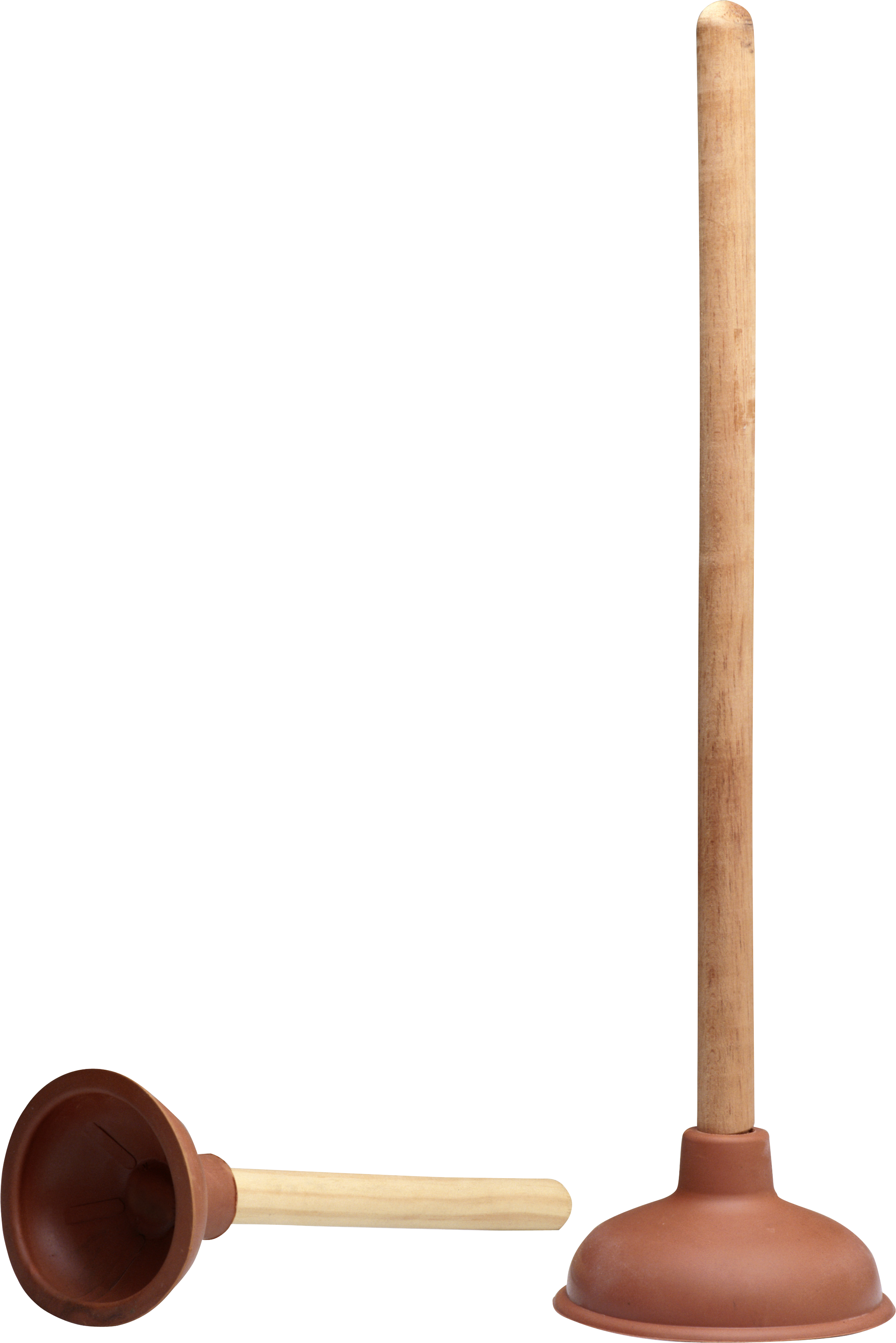
In SA homes, the drain drama hits fast, and the urge to grab a bottle is strong. But Non-chemical clog remedies: plungers, snakes, and heat are your first line of defense, offering real value without chemical risk. They blend with preventive habits and won’t disrupt septic systems or pipe seals if used with common-sense care.
- Plungers: simple suction to loosen blockages.
- Snakes: extend into pipes to meet deeper obstructions.
- Heat: gentle warmth can loosen grease or soap scum, when safe for your piping.
As for the broader choice between liquid plumber versus drano, non-chemical options still shine for routine maintenance while you assess pipe health and local waste systems in SA. They’re not a silver bullet, but they keep the drains moving while you weigh safer, longer-term fixes.
Choosing the right product for shared plumbing systems
A clogged drain tests more than water flow; it challenges your philosophy of maintenance. In the SA home, the choice between liquid plumber versus drano becomes a decision about safety, speed, and who shares the plumbing. The right formulation doesn’t just clear a clog; it respects septic systems, avoids harsh fumes, and keeps the home running while you weigh longer-term fixes.
As frequent cloggers persist, consider these factors before you choose between products:
- Septic compatibility
- Pipe age and material
- Shared-system considerations
Non-chemical remedies stay relevant as a buffering layer in SA homes, giving you time to assess the system without chemical risk.
When to escalate: signs you need a professional
A stubborn drain isn’t just an annoyance; it’s a signal something’s off in a busy SA home. A single clog can ripple through kitchens and loos, slowing life to a crawl.
In frequent clog scenarios, many homeowners weigh liquid plumber versus drano, balancing safety, speed, and shared plumbing. Practical tips and alternatives appear as a buffering layer, offering time to evaluate the system while avoiding chemical risk. Consider these practical cues:
- Watch for clogs affecting more than one fixture
- Ensure ventilation to minimise fumes
- Keep a simple clog diary to spot patterns
When clogs persist, escalation is wise. Signs you need a professional include backups in several drains, persistent odors, or unusual gurgling sounds. A qualified plumber can diagnose deeper issues and safeguard your pipes and septic system.




0 Comments