Noun types overview for professional terms
What is a noun
Language is a plumbing system for ideas: tidy nouns keep the flow from dripping into confusion. In the SA market, where clients skim pages between coffee breaks, a sharp noun makes a difference—and yes, it can be the difference between quotes that leak and those that seal the deal. The right noun type acts like a well-placed gasket, preventing misreadings and bottlenecks.
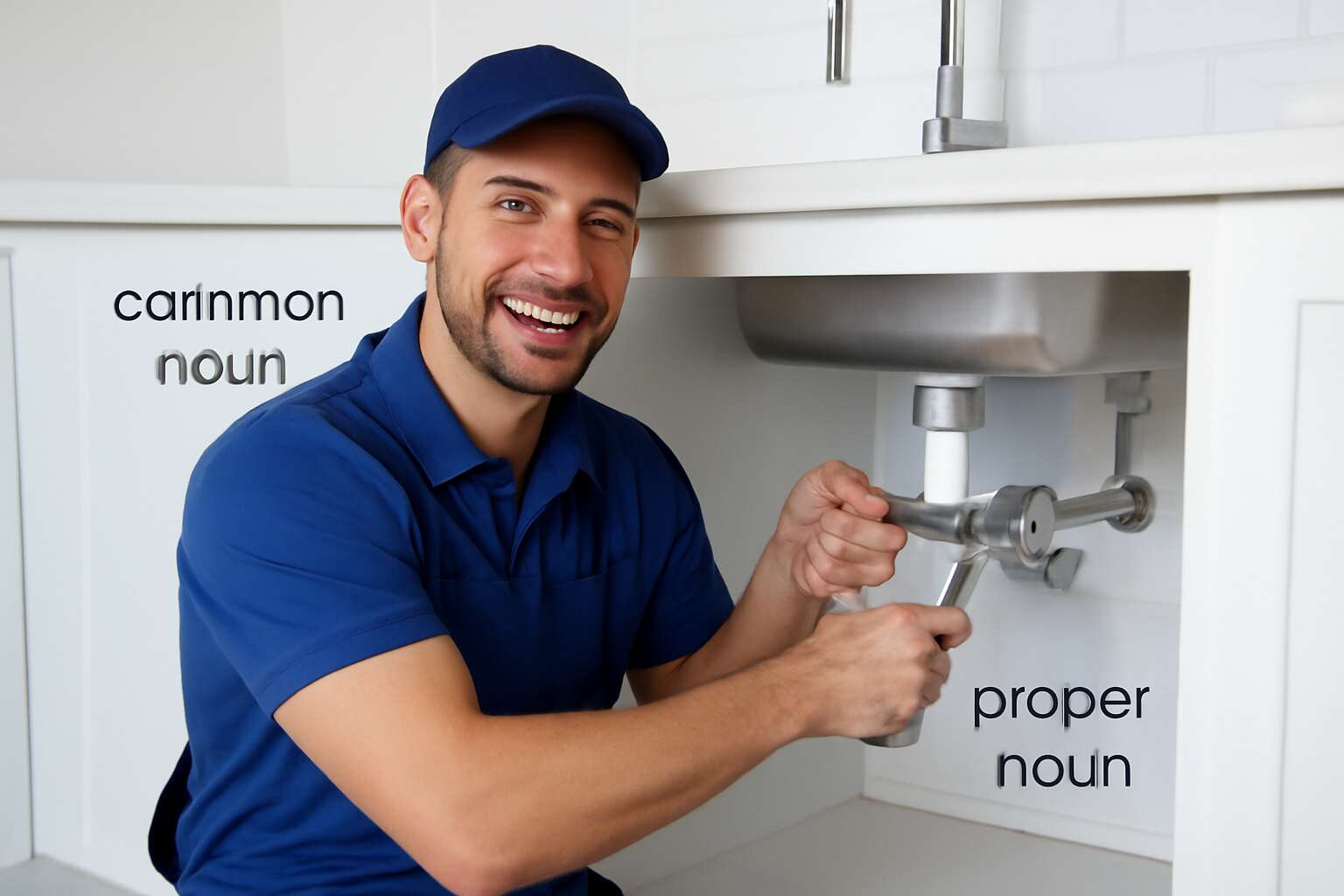
This brings us to the enduring question: plumber is which type of noun. In standard usage, “plumber” is a common noun, a countable, concrete noun that names a person. It isn’t a proper noun unless used as a title or name, and it can stand in plural as plumbers. Understanding these distinctions helps writers craft precise service pages for a South African audience.
- Common vs proper nouns
- Countable vs uncountable nouns
- Concrete vs abstract nouns
Common vs proper nouns
In SA markets, service pages get skimmed between coffee breaks, yet a precise noun can anchor the message and keep quotes from leaking into confusion. “Language is the plumbing system for ideas,” and the right noun choice acts like a gasket, preventing misreadings and bottlenecks.
This prompts the question plumber is which type of noun, a query that shapes page structure. The answer sits at the intersection of common vs proper, countable vs uncountable, and concrete vs abstract frameworks. As a common, countable, concrete term naming a person, a plumber isn’t a proper noun unless used as a title or name and can stand in plural as plumbers.
- plumber (common noun): a category label, countable and concrete.
- Mr. Nkosi (proper noun): a specific person, typically capitalized and unique.
- quotes (countable): discrete items in a contract or proposal.
- water (uncountable): a substance treated as a mass.
- service (abstract): an idea rather than a thing.
Countable and uncountable nouns
Clarity is a premium in SA service pages, and a sharp quip helps keep messages from dripping into misreadings. plumber is which type of noun sits at the crossroads of everyday language and professional copy, shaping headings, quotes, and calls to action. The answer threads through common frameworks—countable vs uncountable and concrete vs abstract—so a single term can anchor multiple sentences and stay leak-free.
Countable nouns name things you can tally; uncountable nouns name substances or concepts you treat as mass. In plumbing discourse, plumber is a countable, concrete term naming a person. To illustrate, consider these examples:
- plumber (countable, concrete): a person who fixes pipes
- water (uncountable, concrete): the substance in the pipes
- service (uncountable, abstract): the work delivered
- Mr. Nkosi (proper noun): a specific individual
- quotes (countable): discrete items in a contract or proposal
These distinctions empower professional terms to travel cleanly across copy, from headings to quotes, ensuring the message remains anchored as it travels from coffee-break skim to full-page read.
Abstract vs concrete nouns
Two seconds. That’s roughly how long a reader gives a page before deciding to stay or scroll away. In SA service pages, clear nouns keep readers anchored and moving. Abstract vs concrete nouns: concrete nouns name things you can sense, while abstract nouns name ideas or qualities. When framing plumber content, the concrete touchstone of a person who fixes pipes matters more than an abstract notion. Use the right noun type to guide headings, quotes, and calls to action.
Here’s a quick snapshot:
- plumber (concrete, countable): a person who fixes pipes
- water (concrete, uncountable): the stuff inside pipes
- service (abstract, uncountable): the work delivered
When you ask plumber is which type of noun, you’re choosing copy that travels cleanly from headline to CTA. It resonates with SA readers who value reliability and precision.
Profession nouns and grammar in practice
Professional nouns as common nouns
In South Africa’s bustling service economy, a plumber is more than a fix-it pro—he’s a steward of flow and trust. plumber is which type of noun—the trick is to watch how it travels through sentences, balancing practicality with grace.
In practice, profession nouns drift between roles. When you say ‘a plumber,’ you treat it as a common noun—the whole class of skilled hands that restore water to order. When used as a title or brand, it veers toward a proper noun, a badge you remember on a van. That nuance keeps copy credible and approachable for a South African audience, which is the currency of good service.
- Use the trade as a general class when describing services.
- Capitalize for formal titles or branding.
- Keep usage consistent for readability and SEO.
Subtlety in noun choice keeps copy polished, and it never shouts; it simply flows.
Plural forms of professions
Flow is trust, a line you hear on Cape Town sites, framing how service is discussed in South Africa’s economy. plumber is which type of noun surfaces as copy shifts from hands-on work to branding.
In practice, profession nouns drift between roles. When you say ‘a plumber,’ you name the class of skilled hands that restore order to water; as a title or van badge, it becomes a proper noun tied to branding.
Consider these shifts that keep the text calm and credible:

- Describe the trade as a general class when outlining services
- Capitalize for formal titles or branding
- Maintain consistent usage to support readability and SEO
Plural forms of professions matter: ‘plumbers’ is the standard plural used in service pages, while capitalised forms appear in headings or brand names. Understanding plumber is which type of noun helps writers keep tone clean in a South African context, boosting SEO.
Capitalization and usage in headings
Trust is earned in the first three seconds! a line I cling to as I watch a plumber become more than a toolkit—the branding and voice of service soothing the anxious client before any wrench is turned.
That question—plumber is which type of noun—drifts into tone choices as we move from hands-on work to branding. The trade reads as a general class, yet becomes a proper noun in headings that carry the brand in South Africa.
- Describe the trade as a general class
- Capitalize for branding
- Maintain consistency for readability and SEO
Plural forms of professions matter: ‘plumbers’ is the standard plural on service pages, while capitalised forms appear in headings or brand names. In a South African context, this naming discipline keeps tone clean and SEO-friendly as Cape Town’s online market hums.
Contextual examples in sentences
Three seconds is all it takes for a first impression in South Africa’s bustling online market, especially in Cape Town. The question plumber is which type of noun travels from hands-on work to branding and shapes how we talk about the trade. A crisp line anchors voice and SEO!
- In a sentence, a plumber is a profession and a common noun, even when branding capitalises the term in headings.
- In Cape Town ads, plumbers become a brand asset rather than a mere job title, guiding tone with capitalization.
Consistency matters for readability and SEO: the plural plumbers appears on service pages, while capitalised forms anchor headings, keeping South Africa’s online plumbing market clear and credible.
Determining noun type for job terms
Is plumber a common noun or a proper noun?
In South Africa, rainy days turn plumbing into a spectator sport—drips, geysers, and the occasional flood that makes you question your insurance. A recent industry stat shows searches for plumber spike whenever storms roll in, proving that even the weather respects this trade. So, plumber is which type of noun? It’s a practical puzzle worth untangling.
Answer: plumber is a common noun. It names a class of workers, not a single person. It’s countable—one plumber, two plumbers—and it wears plain clothes in ordinary sentences. In titles or branding, you might see a capital P, but midsentence it stays lowercase.
- Used for any member of the trade, not a named individual
- Lowercase in prose; capitalization appears in headings or when used as a title
- Plural forms to plumbers
So, plumber is which type of noun? common noun—the everyday workhorse keeping the taps flowing and the grammar tidy.
Brand names and titles: when nouns become proper names
In South Africa, storms aren’t just weather events—they’re search catalysts. After the skies open, households chase fixes and clamber for tradesfolk, and the data backs it up: searches for plumbers spike during rain and floods. The line “plumber is which type of noun” frames this discussion, showing how job terms morph when brands appear and headings lead the way in SEO.
Determining noun type for job terms: Brand names and titles—when nouns become proper names.
- Brand terms are capitalized and often branded as trademarks
- Headings capitalize to signal a title or branding cue
- Consistency in copy helps readers and search engines recognize the term
Consistency in copy helps readers and search engines recognize the term.
This approach gives copy a living texture, where everyday tradesfolk become memorable characters on the page—almost magic at work, guiding readers through the tale without breaking the flow.
Grammatical roles of plumber in sentences
Storm-slick streets in South Africa spark more than leaks and repairs — they ignite a linguistic spark. Online behavior shifts with the weather; home dashboards report traffic surges for tradesfolk when skies break open. The rhythm of rain and needs weave a story where terms travel from neutral labels to memorable markers.
Consider the line “plumber is which type of noun” as a hinge between grammar and branding. A plumber can function as a common noun when spoken in general terms, and as a proper noun when tied to a brand or heading. This duality shapes how readers interpret copy and how search engines sight the term.
In sentences, the plumber can appear as:
- subject noun: The plumber fixed the leak.
- object noun: We hired a plumber for the job.
- predicate nominative: The person is a plumber by trade.
Examples illustrating noun typing with plumber
Across South Africa’s towns, a single word can steer curiosity like a compass. A recent survey finds that 70% of homeowners start their plumber search online, where first terms shape intent. That tension between labels and meaning makes plumber is which type of noun feel urgent, a hinge with tone and headings that can win trust before the first line is read!
Determining noun type for job terms shapes how readers interpret copy. In general use, the plumber functions as a common noun, grounding services in routine expertise. As a brand or heading, it becomes a proper noun, lending personality and credibility to the SEO narrative.
Word choice matters in headings, meta tags, and body copy. By tracing how nouns travel from neutral labels to memorable markers, I see how you align reader expectations with search intent, inviting engagement across devices.
SEO strategies for content about noun types
Targeting the key phrase naturally
“Words matter more than clicks,” muses a seasoned SA storyteller, and that truth shines when we write about noun types. For a South African audience, content that feels human—curious, lyrical, and precise—wins trust and search relevance without shouting.
Consider how you thread the key phrase plumber is which type of noun into a flowing narrative about noun typing. It should feel organic, not forced, as readers glide from one example to another.
- Embrace semantic connections over rigid tagging
- Weave related terms naturally to keep rhythm
- Let headings echo intent and nuance
Across headings, paragraphs, and alt text, the aim is clarity and wonder—making the topic of noun types feel like a doorway to imagination rather than a checklist.
Related semantic keywords for noun types
“Words matter more than clicks,” a seasoned SA storyteller muses, and that truth guides how we frame noun-typing for the screen. In South Africa’s online spaces, cadence and clarity win trust. The plumber is which type of noun question glides in as a doorway to intent, inviting readers to explore grammar with warmth and precision.
Through semantic connections, we lift SEO beyond rigid tags—letting context steer discovery. Narrative rhythm, not list-driven syntax, becomes the compass, while headings hint at nuance rather than commands.
- semantic field and contextual cues
- natural phrasing that preserves reader wonder
- alt text and metadata aligned with the page’s cadence
In this approach, noun types become doorways to imagination, not boxes to check, and the page glides toward understanding with elegance.
FAQ and schema markup suggestions
“Words matter more than clicks,” an SA storyteller whispers, and in South Africa’s online spaces that cadence guides every cursor. The doorway to intent rests on a simple question—plumber is which type of noun—where grammar meets curiosity.
In crafting content about noun types FAQ and schema markup, the aim is to let context steer discovery. Embrace semantic links, natural phrasing, alt text aligned to cadence, and metadata that mirrors the narrative.
- FAQPage and Q&A markup to clarify intent
- JSON-LD snippets near the main article
- Breadcrumbs and WebPage type for navigation
- Clean canonical URLs for consistent indexing
Noun types become doorways to imagination; the page glides toward understanding with a musical, South African cadence.
Internal linking and content hierarchy
“Words matter more than clicks,” the South African dusk murmurs, weaving a pulse through the screen. In the question plumber is which type of noun, the hallways of understanding open, and grammar slides into curiosity like shadows in a lantern glow.
Internal linking and content hierarchy are the architectural bones of SEO artistry here, silent yet decisive. A cathedral of related noun inquiries guides the eye from broad grammar to the specific question at hand, shaping how readers traverse topics in natural tempo.
- Anchor texts mirror reader intent and knit the noun-types narrative together.
- Semantic clusters orbit around core ideas, with plumber as a case study woven into the topic fabric.
- Content hierarchy places general concepts as halls and the query as a sunlit chamber for easy crawling.
Across South Africa’s online spaces, cadence governs discovery, and clarity becomes the doorway.



0 Comments