Essential Plumbing Tools Every Homeowner Should Know
Pipe Wrench
A pipe wrench is a non-negotiable tool for any South African homeowner. The average household faces a plumbing emergency every six months. This tool provides the grip needed to turn stubborn pipes. In my experience, a standard model exerts over 500 kilograms of force on its serrated jaws. That force is essential! The plumber power wow comes from applying this leverage correctly. Yet a pipe wrench can damage soft metals; its use is limited to iron or steel fittings.
Select the right length. A 250 millimeter wrench handles most taps. A 300 millimeter wrench suits larger pipes. The adjustment nut moves the lower jaw to fit the diameter. Clean jaws maintain a firm grip. A lubricated adjustment nut turns smoothly. Pulling toward yourself is the safer motion, one that prevents skinned knuckles. This is the careful application of brute force with precision.
Plunger and Drain Snake
Picture this: it is 7 AM on a Tuesday, the coffee is brewing, and the bathroom sink is backing up like a stubborn mule. The true “plumber power wow” isn’t just about heavy metal wrenches. It is about the humble plunger. This rubber cup is your first line of defense. It uses hydraulic pressure to dislodge blockages. Every South African homeowner should own a flange model, as it seals tighter for toilet emergencies. The standard cup is fine for sinks and showers. But remember, a plunger is not magic. It only works on blockages that are reachable within the plumbing system.
When the plunger fails, you need to step up your game with a drain snake. This coiled wire tool is the unsung hero of the plumbing world. It breaks through solid clogs that water pressure cannot move. Hair, soap scum, and mystery gunk all meet their match here. I have pulled things out of drains that defy explanation. The rotating head grabs debris while the flexible shaft navigates curves. You should always know where your drain cleanout cap is located, because that is where the real access happens.
Using these tools properly requires a bit of finesse. You need to work the plunger with a rhythmic motion. Push slowly to displace air, then pull sharply to create suction. For the snake, you feed it slowly while turning the handle clockwise. Jerking it out too fast will only chase the clog deeper.
– Always wear rubber gloves when handling any drain tool.
– Never use a plunger after chemical cleaners have been poured down the drain.
– Protect your floors with old towels before unclogging.
The “plumber power wow” happens when you solve the problem yourself. You save money and gain a serious sense of victory. Plumbing is a physical skill, not a mystery. Having the right tools on hand changes the game entirely. The combination of brute force and mechanical advantage gives you real control over your home’s infrastructure. It is a satisfying feeling, knowing you can handle the mess.
Teflon Tape and Thread Sealant
The threads of any pipe joint are a place where disaster lurks in silence. A loose connection can weep for months, staining ceilings and rotting timber from within. Teflon tape and thread sealant are your protection against this slow decay. The tape wraps clockwise around the male threads. It fills the microscopic valleys that water finds so easily. The sealant, a viscous paste, works where tape cannot reach.
I have seen old joints sealed with nothing but faith and rust. They fail eventually. The plumber power wow arrives when you understand that a proper seal is an act of foresight. You wrap, you tighten, you test. The water holds its breath. That is the quiet victory.
Adjustable Pliers
A single tool can replace an entire drawer of wrenches. Adjustable pliers allow one hand to hold and turn any fitting. The jaws shift to fit shapes of every size. No rattling, no guessing! That is the plumber power wow you feel when the grip locks clean.
These pliers reach where a pipe wrench cannot fit. They cinch onto compression nuts, shower arms, and the flat sides of tap spindles. The screw mechanism lets you adjust pitch and angle mid-task. You can hold a back nut steady while your other hand spins the fitting. That control prevents damage.
- Pulling a seized shower cartridge
- Holding the escutcheon while loosening the valve
- Straightening a bent pipe end
South African homes often have mismatched fittings from decades of repairs. Adjustable pliers adapt to every one. A solid bite on each surface. That is the power worth having.
Pipe Cutter
“Measuring once and cutting twice is for amateurs,” my first mentor grumbled, eyeballing a wonky copper pipe. “Professionals measure, cut, and still swear under their breath.” That’s where the pipe cutter earns its keep. This tool isn’t about muscle. It’s about precision. A sharp wheel scores the metal as you rotate the knob, tightening gradually. The result is a square, clean edge. A hacksaw leaves burrs and a mess. A pipe cutter leaves a joint ready for solder or a compression fitting.
The plumber power wow here is the quiet satisfaction of a perfect cut. You spin the tool, feel the wheel bite, and snap the pipe cleanly in two. No filing. No reaming. That saves minutes on every connection, and minutes become money.
Using one properly involves a simple sequence:
1. Place the pipe between the rollers and the cutting wheel.
2. Tighten the knob until the wheel touches the surface.
3. Rotate the tool around the pipe, tightening a quarter turn after each full rotation.
This controlled action prevents crushing thin copper. It also works on PVC and PEX, making it a versatile addition to any kit. While the plumber power wow is often associated with force, this tool proves that finesse can be just as powerful. A clean cut means a secure fit, which means no leaks hiding behind a wall. Every homeowner tackling a repair should have one of these in their toolbox. It is the difference between a botched job and a professional finish.
Inspection Camera
Inspection cameras are the closest thing plumbing has to X ray vision. Your eyes cannot see inside a wall, but a fibre optic lens on a flexible probe can. That little screen turns guesswork into certainty. The plumber power wow comes from knowing exactly where the blockage lives before you cut open anything.
A standard model bends around corners, fits into a drain, and exposes the corrosion you suspected. It is the difference between cutting one hole and cutting three.
– Checking a trap without dismantling it
– Mapping old pipework before renovations
– Verifying a soldered joint before closing the wall
The plumber power wow here is less about force and more about information. You stop relying on hope. That alone is worth the price.
Common Plumbing Issues and Quick Fixes
Dripping Faucets and Cartridge Replacement
A single dripping faucet can waste thousands of litres a year in a South African home. That steady tap-tap is often just a worn cartridge inside the tap handle. Replacing a cartridge is straightforward once you isolate the water supply and remove the decorative cap. You will need a screwdriver and a pair of pliers.
For many homeowners, hesitation sets in when choosing the replacement part. Brands differ in spline count and valve size.
- Older mixers may use ceramic cartridges.
- Plastic internals tend to swell after years of hot water.
- Mineral buildup around the spindle can jam the handle.
Identifying the right part matters more than raw effort. A wrong fit leads to the same drip you just fixed. A plumber power wow visit brings a tested seal and a quiet tap afterwards. The same logic applies to shower mixers and bath spouts. A smooth turn after reassembly beats a repair you have to repeat twice.
Running Toilets and Flapper Valves
A running toilet is one of those background annoyances that quietly inflates your water bill. The flapper valve, a rubber disc at the bottom of the tank, fails to seat properly after flushing. Water then seeps past it constantly. South African homeowners often notice this as a faint hissing sound or a toilet that refills intermittently.
The causes are usually simple:
– Mineral deposits on the valve seat
– A warped rubber flapper
– A chain that is either too tight or too slack
When the chain binds, the flapper cannot close fully. When it hangs loose, it may flutter and fail to seal. Each scenario produces the same result: wasted water and an inefficient system.
A plumber power wow visit addresses these issues with precision. They check the flush valve assembly, replace worn components, and adjust the chain tension. The result is a toilet that operates silently and efficiently. This saves water and reduces strain on your municipal supply.
Clogged Drains and Natural Cleaners
Clogged drains are the trickiest critics in any home. They wait until you have guests, then stage a slow, gurgling protest. The usual suspects in South African households are hair, soap scum, and cooking fats that solidify in the pipes.
– Hair binds with soap residue to create a sticky mass.
– Food particles swell and lodge in the trap.
– Mineral buildup narrows the pipe over time.
Natural cleaners offer a first line of defense. A mixture of bicarbonate of soda and hot vinegar creates a fizzy reaction that can shift mild buildup. It works well enough for routine maintenance, but it cannot break through solid blockages. That is where professional intervention becomes necessary.
A plumber power wow service brings high-pressure water jetting to the party. This method scours the pipe walls and flushes away the offending material completely. The process restores full flow without harsh chemicals. For persistent or recurring clogs, this thorough approach prevents the problem from returning. A plumber power wow visit leaves your drainage system in a state you can rely on.
Low Water Pressure in Showers
Like a slow leak in the ceiling, the loss of shower pressure often goes unnoticed until it becomes an everyday frustration. You turn the tap, expecting a vigorous cascade, and instead receive a lukewarm trickle. This is not merely an inconvenience; it signals a deeper problem within your home’s water delivery system. I have seen this many times in older South African homes, where the plumbing has seen decades of use.
The causes are often straightforward, yet they compound over time. A faulty pressure regulator can throttle the entire house’s flow, while a partially closed isolation valve acts as a silent choke point. Corrosion inside galvanised pipes creates a rough interior that catches debris, and scale buildup in the showerhead itself restricts individual nozzles. Each of these issues reduces the force of the water.
– A failing pressure reducing valve that cannot maintain consistent pressure.
– Sediment and mineral deposits clogging the aerator or showerhead.
– A kinked or crushed flexible supply hose behind the wall.
– Corroded or aged piping that reduces the internal diameter.
While addressing these specific components often restores adequate flow, a systemic issue may require a more aggressive solution. The entire network can be fouled with years of accumulated scale and rust, which no amount of manual cleaning will remove. This is where a professional assessment becomes crucial. For a comprehensive restoration of water pressure throughout your home, a plumber power wow service offers a superior method to clear the internal corrosion and debris, ensuring your shower returns to its former strength.
Leaky Pipes and Temporary Seals
Leaky pipes are a slow destruction. A hairline fracture in a ceiling line can drip for days, soaking insulation and rotting timber before anyone notices. Temporary seals, such as epoxy putty or rubber patch clamps, work for hours, not months. I have watched homeowners apply a compression fitting over a corroded joint, declare victory, and then face a ceiling collapse a week later. The metal has already given up.
- Epoxy putty pressed firmly into a pinhole leak.
- A rubber repair clamp tightened over a split pipe.
- Pipe repair tape stretched over weeping joints.
These stopgaps hold water, but they do not solve the cause. The internal corrosion and scale that thinned the pipe wall remains. A plumber power wow service can scour that residue from the entire network, restoring the interior and removing the conditions that created the leak. Temporary seals are a delay, not a repair.
How to Choose the Right Professional Plumber
Licensing and Insurance Verification
South Africa has no central plumbing register, so checking a contractor’s credentials depends on you. A single error in a hot water cylinder installation can lead to property damage or even legal liability. The gap between a certified tradesperson and an unlicensed worker is where the plumber power wow effect shows itself.
When meeting a candidate, a professional will present these documents without being asked:
- a current registration with the Plumbing Industry Registration Board
- a valid public liability insurance certificate covering at least R5 million in damages
- contact details for two recent clients with similar scopes of work
Confirming each document directly with the issuing authority is the only reliable method. Insurance protects your property during the job. Registration proves the plumber completed an approved apprenticeship and follows South African standards. Without these, a quote carries no guarantee.
Some plumbers cannot produce proof because they work informally. That uncertainty becomes your problem if a pipe bursts at night.
Reading Reviews and Asking for References
Word of mouth moves slower than water damage. When you choose a plumber, online reviews reveal patterns, not perfection. Look for repeated praise about punctuality and clean workspaces. Ignore the single angry rant; focus on how the plumber responds to criticism. The real plumber power wow appears in consistency across dozens of customers.
References do more work than any star rating. Ask the plumber for a recent client’s number and call them. Ask about the job’s complexity, the final price, and whether the plumber returned to fix issues. A confident tradesperson hands over references without hesitation. That willingness is itself a signal.
Use this checklist when reading reviews:
- Specific details about the problem solved
- Photos of completed work
- Mentions of how the plumber communicated
The plumber power wow becomes visible in how strangers describe their experience. Their words give you a preview of your own.
Requesting Detailed Written Estimates
A verbal estimate is a temporary promise. It evaporates once the work begins, and the first surprise typically arrives with an extra zero attached. Around the Karoo or central Cape Town, the law requires clarity, but folk wisdom does better. I will not allow a plumber to touch a fitting unless the costs sit on paper in front of me.
The plumber power wow appears when that written quote pins down the entire job. It lists the exact price of each component, the random hours, and the call out fee. If they cannot print an estimate, they may be better at swallowing handsets than swapping copper.
- List components by their actual brand and model number
- Include labour hours as a separate line from the fuel fee
- Write a clear schedule for when the work finishes
That document turns a suspected job into a confirmable contract. The plumber who writes those details is the one you should trust with the main isolator.
Checking for Guarantees and Warranties
Finding a plumber who stands behind their work is becoming a rare event. In the Karoo, where the sun bakes the pipes and the wind rattles the fittings, a handshake means little. A signed guarantee means everything. The plumber power wow appears when that warranty covers parts and labour for a defined period. You want to see the document, not hear a comforting story.
A verbal assurance of quality is worth the paper it is not printed on. Ask about the warranty on the specific fixture, whether it covers the valve or the entire cistern. A decent guarantee will cover the labour and the replacement part. A vague promise covers nothing.
– What is the duration of the labour warranty?
– Does the parts warranty come from the manufacturer or the plumber?
– Who handles the claim if the fitting fails?
– Is the warranty transferable if you sell the property?
The plumber power wow is the moment they produce a warranty document without hesitation. That paper trail is the difference between a craftsman and a guesser. If they shrug and claim the work will last, prepare for a long relationship with your own spanner.
Understanding Emergency Service Availability
When the geyser bursts on a Sunday night in Beaufort West, the phone rings unanswered. A recorded message is not a plumber. The plumber power wow emerges when a human voice answers, or returns the call within minutes. Emergency service availability separates the dedicated from the part-time.
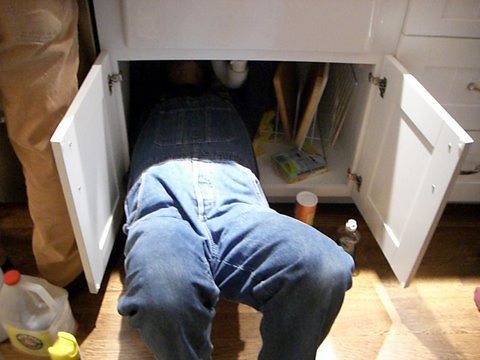
Ask about their response radius and after-hours fees before you need them. Some plumbers cover the whole Karoo, others only the town limits. The plumber power wow is knowing they have a stock of common parts on the van, not a promise to fetch them tomorrow.
- Do they answer their own phone after hours?
- Is there a call-out surcharge, and how is it calculated?
- Can they dispatch someone within the hour?
In this region, a burst pipe can flood a farmhouse before dawn. The right professional has a plan for that moment. Their emergency availability is not a line on a website. It is a commitment tested in the dark.
Preventive Maintenance Tips for a Healthy Plumbing System
Seasonal Pipe Insulation
The first true cold snap in Gauteng always reveals the hidden damage. A single night of freezing temperatures can turn a quiet, internal water line into a silent, expanding fracture that only announces itself when the thaw arrives. The resultant water damage often surpasses the cost of neglecting simple preparation. Homeowners frequently overlook that the plumbing system operates as a closed circuit, and a failure in an exposed garage pipe can compromise pressure throughout the entire property.
Insulation acts as a barrier against rapid temperature shifts, not just absolute cold. In regions where the temperature fluctuates between warm days and icy nights, the constant expansion and contraction place stress on soldered joints and threaded connections. Applying a robust foam or fibreglass sleeve to exposed piping prevents the water inside from reaching that critical freezing point. This is a straightforward task, yet one that requires precision to cover every gap and corner where heat escapes.
Certain areas of your property demand immediate attention before winter sets in. The most vulnerable spots are often out of sight, tucked away in unheated zones.
– Roof spaces and ceiling cavities where warm air meets cold roof tiles
– Exterior walls where pipes run adjacent to the local brickwork
– Underneath the geyser, particularly the short pipe sections near the pressure valve
– The main supply line where it enters the boundary wall from the street
Choosing the correct material for this task is important. Dense rubber tubing offers superior resistance to UV degradation, while foam piping is easier to manipulate around sharp bends. Ignoring these small sections invites the very problem you seek to avoid. A burst line from inadequate coverage leads to high repair bills and the stressful hunt for a reliable emergency service, proving that preventative measures always outweigh reactive fixes. For complex situations, the expertise of a plumber power wow team ensures no vulnerable point is missed.
Water Heater Flushing and Care
There is a quiet battle happening inside your geyser, one that most homeowners only notice when the hot water runs out mid-shower. The heating element works hard, and the water sits still for hours. Over time, mineral sediment settles at the bottom of the tank. This layer acts as a barrier between the water and the heating mechanism, forcing the system to work harder and consume more electricity. The result is a slow, silent death for your geyser.
Flushing the tank once a year removes this accumulation. The process is straightforward. Attach a hose to the drain valve, open it, and let the water run until it flows clear. Do this before the harsh Highveld winter arrives. The water pressure in Johannesburg and Pretoria is unforgiving, and a corroded tank from sediment build-up is a common failure point. A proactive flush also protects the sacrificial anode rod, which rusts to protect the tank lining. When that rod is depleted, the steel shell itself starts to corrode from the inside out.
Anode rods and thermostats are the small parts that keep your system honest. Replacing the rod every three to five years prevents the costly failure of a full tank replacement. Homeowners who hire a plumber power wow professional for this task often find that the technician detects early signs of pressure valve fatigue. The temperature and pressure relief valve, or TPR valve, should discharge a small amount of water when the system overheats. If it is stuck, the pressure builds to dangerous levels. Testing this valve monthly is a simple habit that extends the life of your geyser by years.
Here are the steps for a basic geyser check that takes less than fifteen minutes:
1. Switch off the electricity at the main distribution board to ensure safety.
2. Place a bucket under the TPR valve and lift the lever briefly to release a small amount of water.
3. Check the visible plumbing connections for moisture or rust streaks, which indicate slow leaks.
4. Listen for a rumbling sound in the tank, a symptom of trapped sediment boiling.
The subtle art of water heater care is often ignored until the system fails entirely. The trade-off between a small maintenance expense and a large emergency replacement is significant. A neglected system leaks into the ceiling, damaging rafters and electrical wiring. This water damage is often hidden behind the plasterwork. A routine inspection by a plumber power wow service in Pretoria can identify these risks before they escalate. The longevity of your system depends on these small, deliberate actions. Call a professional that understands the local water chemistry and the demands of the Highveld climate.
Garbage Disposal Best Practices
There is a distinct satisfaction in a home that runs without complaint, where every tap responds with polite immediacy and the drains gurgle their quiet approval. Yet this state of grace is not a matter of luck. It is the product of small, consistent habits that most households overlook entirely. The kitchen sink, in particular, serves as the stage for some of the most avoidable plumbing tragedies. We treat it as a catch-all, a receptacle for every stray scrap and congealed fat, without considering the consequences that collect quietly within the pipes.
The garbage disposal, a modern convenience, demands a particular etiquette. Many believe it is an industrial shredder, but it is a delicate instrument that requires a gentle touch. Running cold water while the unit is active is essential, as it solidifies any fats and flushes them through the system effectively. It is equally important to avoid overloading the chamber. Feeding it a slow, steady stream of waste is far kinder than dropping in a mountain of leftovers all at once. The humble ice cube, when ground regularly, serves to sharpen the blades and dislodge the grime that clings to the interior walls.
Consider these simple rules of engagement for your disposal:
– Always use a strong stream of cold water while operating and for thirty seconds after.
– Feed fibrous materials like celery and corn husks sparingly, as they tend to tangle.
– Never pour cooking oil or grease down the drain under any circumstances.
These habits prevent the build-up that leads to blockages. However, a professional inspection remains the most reliable method for identifying weaknesses in the system. A visit from a plumber power wow technician can reveal the early signs of pipe scale or a failing motor before it becomes a flooded cabinet. These small acts of diligence, performed routinely, are the true cost of a peaceful household.
Sump Pump Testing and Battery Backup
The average sump pump has a lifespan of seven years. Most homeowners never think about it until the rainy season arrives and the water starts rising. That moment is too late to discover the motor is seized or the float switch is jammed. Routine testing takes less than a minute. Pour a bucket of water into the pit and watch the pump cycle on and off. Do this every three months.
The larger concern is power failure during a storm. This is precisely when the pump must work hardest. A system without backup protection turns into a liability at the worst possible time. Consider the full scope of a protection plan:
- Check the float switch for debris or binding.
- Clean the inlet screen to prevent clogging.
- Verify that the discharge line remains clear.
Battery backup units carry specific maintenance needs. The battery requires replacement every two to four years. Lead acid batteries corrode. Their terminals need cleaning. Recharge cycles deplete if the unit sits idle for months. A plumber power wow technician can perform load testing and verify the charger output. This service catches tired components before the next deluge. The cost of a service call remains trivial compared to soaked carpets and damaged walls.
Inspecting Visible Pipes for Corrosion
Corrosion hides in plain sight. A homeowner walks past exposed pipes daily without a second thought, while minerals and moisture work their slow destruction. The visible signs are subtle at first. Blisters on painted surfaces. Green or white crust forming at joints. Orange streaks bleeding down copper lines. These are not cosmetic flaws. They are the quiet warnings of structural compromise.
The inspection should focus on areas where condensation collects. Bathroom walls behind the toilet. The space under the kitchen sink. Any pipe that runs along an exterior wall in the highveld’s dramatic temperature swings. Look for discoloration patterns that seem to spread between service intervals. Touch the surface gently. Flaking or soft spots indicate the metal has already begun to fail.
- Check for rust rings around threaded connections
- Run a finger along the bottom of exposed pipes
- Look for white mineral deposits near joints
- Test the integrity of pipe supports and hangers
The relationship between water chemistry and pipe material matters. Johannesburg’s aggressive water erodes certain metals faster than coastal regions. A professional plumber power wow assessment includes water testing that reveals pH imbalances before they eat through your lines. The cost of this evaluation pales against emergency repairs that surface at inconvenient hours. Preventive awareness transforms a passive observer into an active guardian. The pipes carry life into your home. They deserve more than neglect.
Scheduling Regular Drain Cleaning
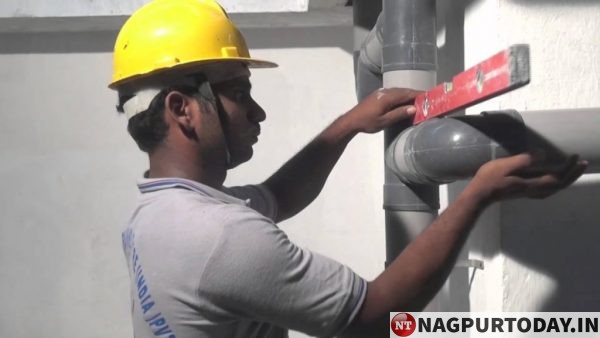
Scheduling regular drain cleaning is the quiet discipline that separates a functional home from a plumbing crisis waiting to surface. Many homeowners only think about their drains when water slows to a crawl, but maintenance is about timing, not reaction. In Johannesburg’s variable climate, the shift between dry months and sudden downpours affects how debris settles in pipes. A quarterly inspection catches accumulation before it hardens into a blockage.
Professional services offering a plumber power wow assessment often include hydro jetting or mechanical cleaning as part of a broader health check. Understanding the pace at which your household generates waste matters. A family of four produces different stress on pipes than a single occupant. Listen to the sounds your plumbing makes when water drains. Gurgles and slow emptying signal sediment building. Regular scheduling creates predictability. You choose the time. You avoid the surprise!




0 Comments