Understanding the Plumbing Profession
Core Responsibilities of a Plumber
In South Africa, estimates suggest households waste up to 7% of their water supply to leaks each year, a cost that cuts into budgets and strains the power grid. The plumber role is central to stopping that drip before it becomes a flood of trouble.
The core responsibilities span diagnosing issues, planning repairs, installing fixtures, and performing preventive maintenance. They read blueprints, select fittings, ensure proper venting, and uphold safety standards. When emergencies strike, they respond quickly, triaging leaks and minimizing damage while communicating clearly with clients about timelines and costs.
Typical tasks include:
- Leak detection and repair
- Fixture installation and replacement
- Water efficiency and code-compliant upgrades
This blend of technical skill and customer care makes the role essential in keeping homes safe, efficient, and comfortable.
Daily Tasks and Fieldwork
In South Africa, estimates suggest households waste up to 7% of their water supply to leaks each year, a haunting cost that gnaws at budgets and shadows the power grid. The plumber role is not simply a set of fixes but a quiet vigil against the drip that could become a flood. I’ve learned that the daily tasks of fieldwork demand more than tools; they demand a narrative sense of a home’s breath, the ability to read copper and concrete like a weathered manuscript.
On a typical day, the field calls for a blend of science and sympathy. The rhythm might unfold as:
- Site survey and safety briefing before any wrench is turned
- Acoustic listening, pressure tracing, and thermal hints to locate hidden issues
- Plain-spoken briefings with homeowners on what to expect and why
- Installing materials that respect both code and character of the home
Even in the hush of a crawl space, the plumber role includes empathy, precision, and storytelling—the kind that helps clients sleep at night!
Tools and Equipment Used
In South Africa, the plumber role goes beyond repairs. Tools shape outcomes as surely as training does. A well-equipped tradesperson protects budgets and keeps water flowing smoothly, even in tight spaces. The right approach starts with what’s in the kit: sturdy gauges, precise cutters, and a mindset that blends craft with care. This is where science meets storytelling—turning a tool list into a map of possibility.
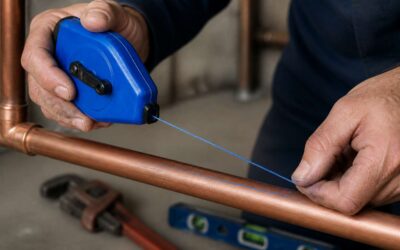
- Pipe wrench
- Adjustable spanner
- Pipe or tubing cutter
- Hacksaw and file
- Pressure gauge and leak detector
- Inspection camera (borescope)
From copper pipes to modern PEX runs, these tools fit South African homes and tight crawl spaces.
Safety, Compliance, and Best Practices
Water whispers, and the plumber role is a conversation with a pipeline. In South Africa, the craft blends prevention with problem-solving, protecting budgets and keeping taps singing. The best tradespeople anticipate leaks before they become floods, and they stitch safety into every fitment with the same care they give to a customer’s day.
Safety, compliance, and best practices aren’t afterthoughts; they are the backbone of trusted workmanship.
- Building codes and local by-laws
- Licensing and permits
- Health, safety, and PPE standards
These pillars guide every job, from quiet repairs to respectful, tidy site closures. A thoughtful plumber communicates clearly, preserves water as a resource, and respects the home as a living space.
Specialties and Work Environments
Residential Plumbing Roles
Every morning, the plumber role looks less like clockwork and more like quiet science, especially in SA homes where a single leak can become a metropole-sized drama. In residential settings, intelligent assessment, careful measurement, and a dash of improvisation are part of the craft — and yes, a sense of humour helps when a stubborn tap sings opera at dawn.
Specialties in this sphere run the gamut, but some stand out in South Africa’s homes:
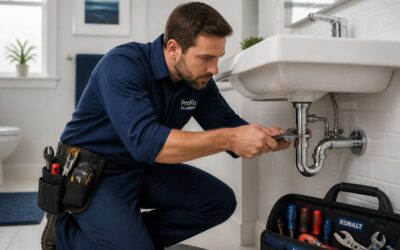
- geyser and hot-water system installation and repair
- drain clearing, blockage prevention, and venting solutions
- retrofits and pipework for renovations in cottages, townhouses, and family homes
Work environments vary from sunlit kitchen corners in leafy suburbs to noisy flats in bustling cities and remote rural homesteads. The most memorable interactions come from steady communication, punctuality, and the quiet confidence a professional brings when a family faces a water puzzle.
Commercial and Industrial Settings
Commercial and industrial settings put the plumber role under bright lights and hard deadlines. In South Africa’s bustling estates, the hum of pumps, the clang of steel, and safety protocols turn every visit into a high-stakes audit. A single hour of downtime can cost businesses tens of thousands, so calm, unwavering focus is non negotiable.
Specialties here span backflow prevention and testing to complex drainage networks, steam and hot-water systems, and large-scale retrofit work. In factories, shopping centres, and hospitality venues, coordination of shut-offs with facility managers, keeping noise and disruption to a minimum, and navigating stringent safety and compliance requirements.
- Backflow prevention testing
- Grease trap management
- Industrial piping installation and repair
As the plant floor lights flicker and conveyor belts sing, the quiet confidence of a seasoned artisan steadies the room.
Emergency Plumbing Situations
Across South Africa’s industrial belts, the plumber role becomes a steady heartbeat beneath humming pumps and clanging pipes. Specialties range from backflow prevention testing to large-scale drainage networks, steam and hot-water systems, and retrofit work. In factories, malls, and hotels, every shut-off must be coordinated with facility managers to keep disruption minimal and safety intact.
Emergency Plumbing Situations demand calm, rapid assessment, and precise communication! When a line fails, this role demands swift triage, securing valves, and directing teams while preserving compliance and safety.
- Burst mains or severe leaks threatening production lines
- Sewage backups challenging containment and hygiene
- Gas odor or line compromise requiring isolation
- Critical pump failure triggering downtime across operations
In these moments, the craft of plumbing blends artisan skill with logistical savvy, turning potential disasters into controlled recoveries!
Green Plumbing and Water Conservation Practices
In South Africa, up to a third of urban water is lost to leaks, a crisis that makes the plumber role a daily act of resilience. Green plumbing and water-conservation practices fuse practical skill with forward-thinking design, shaping systems in offices, schools, and hospitals where every litre matters. Environments span from tight plant rooms to expansive retrofit sites, demanding swift coordination with facility managers and engineers to keep disruption low and safety high.
Specialties in this realm include rainwater harvesting, greywater recycling for non-potable use, and low-flow fixtures, paired with energy-efficient heating. The following practices animate the craft:
- Rainwater harvesting and storage
- Greywater recycling for non-potable use
- Low-flow fittings and smart controls
- Solar thermal or heat pump systems
In the end, the plumber role merges artistry with logistics, turning limited resources into reliable, sustainable infrastructure that keeps South Africa’s built environment humming.
Specialized Systems (Gas, Drains, and Water Heaters)
Gas lines whisper, drains murmur under slabs, and water heaters glow with quiet purpose. In South Africa, these specialized systems demand more than know-how — they demand conviction. The plumber role sits at the crossroads of safety, code, and reliable performance, guiding work across tight plant rooms and retrofit corridors with a calm, watchful gaze.
- Gas fitting: safe installations, combustion control, and code compliance
- Drainage and sewer diagnostics: leak detection, camera inspections, and trenchless repair
- Water heaters: performance optimization for gas, electric, and solar options
Each site—from back-of-house mechanical rooms to retrofit corridors—tests the balance between speed and precision. The specialized toolkit—rigid meters, robust fittings, and rigorous permits—becomes a narrative of resilience, turning scarce resources into dependable networks that keep South Africa’s built environment humming.
Education, Training, and Credentials
Apprenticeships and Entry Paths
Across South Africa’s evolving built environment, the plumber role is more than mending taps—it is a steward of health, comfort, and efficiency. The plumber role blends practical skill with formal standards, turning leaks into thoughtfully engineered solutions. As urban and rural projects surge, licensed tradespeople are in rising demand, shaping dependable infrastructure for communities.
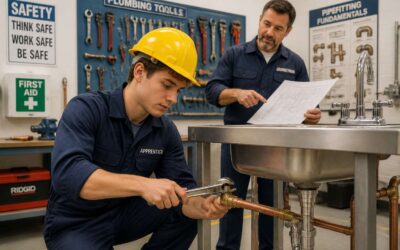
- Apprenticeship with a registered plumbing contractor through a SETA
- College qualifications—NCV or N3–N6—in plumbing, leading to a trade certificate
- Recognition of Prior Learning (RPL) for experienced workers seeking formal credentials
Education pathways in SA also center on the trade test that validates the plumber role before the national register. Ongoing CPD, familiar with modern fittings and water-conservation codes, keeps the craft vibrant, trusted, and ready to meet tomorrow’s demands.
Licensing and Certifications
Across South Africa, the plumber role has shifted from mending taps to guarding health and comfort, guiding new builds and aging networks alike. The craft has grown into a steady vigil—practical skill fused with standards that keep leaks from turning into ruin.
Education pathways converge on a trade test that validates competence before the national register. Ongoing CPD keeps pace with modern fittings, efficiency codes, and water-saving strategies, ensuring the plumber role remains trusted, resilient, and ready to meet tomorrow’s demands.
- Trade test and national registration to validate competence
- Structured CPD hours aligned with water-conservation codes
- Recognition of Prior Learning (RPL) for experienced workers seeking formal credentials
These milestones form the spine of a durable career, where the plumber role embodies reliability and respect in South Africa’s evolving built environment.
Technical Skills and Diagnostics
Education, Training, and Credentials shape the plumber role into a vigilant craft. I’ve watched the trade mature from simple fix-it hands to a disciplined profession where theory meets trench-dared reality. Apprenticeships, classroom modules, and practical exams combine to prove competence before the ledger of the state. The path is not merely about pipes; it’s about understanding how water makes a building breathe.
Credentials anchor confidence, offering formal recognition for years of sweat and measurement. Ongoing study keeps pace with new fittings, energy codes, and water-saving stratagems, while established institutions reward experienced hands with credible credentials.
Technical Skills and Diagnostics: In practice, the eye for detail, the ability to trace a silent drip, and the literacy to read diagrams are as vital as wrenches. Advanced diagnostics—pressure tests, leak tracing, and thermal imaging—unlock hidden faults before they become ruins.
Soft Skills and Customer Service
The plumber role is a blend of craft and curriculum, and a veteran plumber once said, “Education is the first tool you reach for before the pipe wrench.” In South Africa’s evolving water systems, that fusion keeps homes dry and futures intact.
Education and training shape the path: formal apprenticeships, technical colleges, and recognised credentials anchor competence. Ongoing development tracks new fittings, energy codes, and sustainability standards, while licensing bodies validate hands-on experience.
- Clear communication
- Active listening
- Empathy and professionalism
- Time management and reliability
- Problem-solving under pressure
These soft skills turn technical know-how into trusted customer service—the heart of the plumber role, especially when explaining options and maintaining relationships with homeowners and tenants.
From first contact to finished job, the emphasis is on clarity, respect for budgets, and safety.
Continuing Education and Professional Development
In South Africa, the plumber role is a living craft. It thrives on ongoing learning: energy codes, sustainable standards, and the latest fittings. Education becomes a continual conversation with water systems, keeping homes dry and futures intact. Continuing education and professional development push practitioners beyond the basics, through short courses, workshops, and modular credentials that validate growing competence.
Structured pathways exist for formal growth—from online modules to hands-on labs.
- Online modules in energy-efficient fixtures
- Practical workshops on advanced diagnostics
- Backflow prevention and water-safety micro-credentials
These tracks reassure homeowners and tenants that expertise stays current, with validation from SAQA-aligned bodies and national standards guiding practice in residential and commercial settings.
Career Growth, Salary, and Industry Trends
Career Progression and Roles (Journeyman, Master Plumber)
South Africa’s built environment hums with a stubborn reliability, and the plumber role sits at its core of practical problem-solving. A recent industry survey shows demand for skilled plumbers is 68% higher than a decade ago. A thriving trade, it rewards hands-on aptitude with steady demand and room to grow—think craft, leadership, and a dash of entrepreneurial flair.
Career progression typically follows a practical arc:
- Journeyman Plumber
- Master Plumber
- Project Supervisor or Contracting Lead
Salary reflects province, firm size, and years of mastery, with seasoned professionals enjoying competitive packages and stability in municipal and private sectors. Industry trends tilt toward digital diagnostics, remote monitoring, and modular systems that keep downtime short and reputations intact for the plumber role.
Salary Benchmarks and Benefits
In the quiet forge of South Africa’s building sites, the plumber role twists and grows with patience and grit. Growth isn’t a siren’s call but a steady ascent—hands become craftsman tools, decisions sharpen like a chisel, and responsibility accrues like patina. The arc is practical, guiding the curious toward mastery within teams. I watch the craft endure!
Salary landscapes shift by province, firm size, and mastery, yet the rhythm remains steady: packages and benefits for skilled practitioners in municipal and private sectors. As experience grows, so does leverage—overtime, progression pay, and security.
- Competitive packages
- Medical aid and pension
- Overtime and on-call allowances
Industry trends tilt toward digital diagnostics, remote monitoring, and modular systems—tools that shrink downtime and sharpen reputations. Embracing these gains adds value to the craft, translating into steadier demand, broader responsibilities, and leadership on projects.
Job Market Demand and Future Trends
Across South Africa’s building sites, the plumber role evolves with steady hands as demand keeps the taps flowing and projects stacking up. Growth comes not as a sudden sprint but a measured ascent—from apprentice to project lead—where reliability becomes currency. Salary landscapes shift by province and firm size, yet the pattern favors seasoned tradespeople who welcome digital diagnostics, remote monitoring, and modular systems. The market rewards dependability with overtime, progression pay, and job security as municipal and private projects keep demand alive.
- Growing demand across municipal, housing, and industrial sectors
- Digital diagnostics and remote monitoring expand diagnostic and repair capabilities
- Modular systems shorten downtime and boost contractor reputations
Future trends point to green plumbing, water conservation mandates, and smarter infrastructure that requires coordinated teams and ongoing training. Opportunities flourish for those who blend practical craft with evolving codes, offering career longevity and influence on major build-out timelines.
Entrepreneurship: Starting a Plumbing Business
In South Africa’s bustling building sites, the plumber role remains a steady beacon—craft in the hands, strategy in the head. The climb from apprentice to project lead isn’t a sprint; it’s a measured ascent where dependability is currency and every fix earns trust.
Salary varies by province and firm size, but the arc is clear: seasoned plumbers see overtime and progression pay as the norm, with higher earning potential in larger, private-sector teams.
Entrepreneurship in plumbing is more than skill; it’s a mindset. Starting a plumbing business demands a blend of craft, customer service, and regulatory savvy. Build your reputation, nurture local partnerships, and keep quality at the core.
- Building trust with customers and communities
- Regulatory literacy and licensing awareness
- Market positioning and reputation in a competitive landscape
Role of Technology and Smart Plumbing Solutions
The plumber role isn’t just fixing taps; it’s a quiet ascent toward leadership. “The best business card a plumber can carry is a dry basement,” my mentor used to say—proof that trust is hard currency on SA sites. From apprentice to site supervisor, each job refines craft and heightens responsibility across trades.
Salaries in South Africa grow with experience; overtime pay is common, and larger private teams offer sharper progression paths. The plumber role has evolved into a blend of craft and strategy, where leadership is earned as reliably as a clean, tested system.
- Smart leak detection and IoT monitoring
- Remote diagnostics and cloud-based scheduling
- Energy-efficient fixtures and water-management systems
Industry trends point to a tech-infused future: IoT sensors, remote diagnostics, and smart water management. The role is expanding beyond hands-on fixes into data-driven maintenance that protects homes and businesses, turning rapid response into long-term resilience.

0 Comments