Plumber Definition and Core Concepts
Definition of a Plumber
Across South Africa, one in seven households faces a plumbing hiccup each year, a reminder that flow and fault are never far apart. So, what is plumber? A craftsman who translates metal and water into reliability, turning a whispered drip into a steady, living rhythm.
A plumber is a skilled tradesperson who designs, installs, maintains, and repairs piping, fixtures, and appliances that bring fresh water in and carry waste away. Core concepts include leak detection, pressure management, trap and vent systems, and adherence to local standards. In South Africa, they navigate municipal rules, SANS guidelines, and practical safety to protect homes and groundwater.
- Installation of piping and fixtures
- Leak detection, repair, and pressure management
- Maintenance and code-compliant work
Ultimately, a plumber is more than a fix-it role; they are guardians of flow, comfort, and everyday dignity in homes across our country.
Common Plumbing Specialties
Across South Africa, a stubborn drip is a tiny thunderstorm in disguise. So, what is plumber? A skilled artisan who designs, installs, and sustains the piping and fixtures that bring fresh water in and move waste out, turning whispers of trouble into steady reliability.
Core concepts? Think diagnosis as a superpower: locating leaks before they swell, stabilizing pressure so taps don’t tantrum, and coordinating trap-and-vent networks that keep smells and gases at bay. They also weave safety and standards into every fit and fix.
- Leak detection and prompt repair
- Pressure management for steady flow
- Drainage layout with traps and vents
- Maintenance and code compliance
Common plumbing specialties in SA include piping installations and fixture upgrades, routine maintenance plans, and emergency repairs that minimize downtime and water waste.
Why People Hire Plumbers
What is plumber? It’s a discipline that turns whispered problems into solid, dependable flow—a craftsman who reads the heartbeat of pipes and fixtures. In South Africa, that translation matters when leaks interrupt daily life.
Core concepts unfold as diagnostic finesse and a stubborn respect for safety codes. The plumber traces water’s journey, isolates leaks before they swell, and calms erratic pressure while aligning the hidden architecture of traps and vents so smells stay where they belong.
Within a service call, the value surfaces as practical virtues rather than quick fixes:
- reliable problem-solving under pressure
- durable material choices and lasting installations
- clear communication and transparent timelines
- rigorous adherence to local regulations
South African clients seek more than repairs; they seek peace of mind, a partnership that preserves water, protects homes, and respects the rhythm of daily life. The plumber stands as a bridge between need and durable certainty.
Essential Skills Every Plumber Needs
Across South Africa, billions of litres slip away from faulty taps and hidden leaks every year. The question, what is plumber, reveals a craftsman who translates that errant water into certainty—reading the heartbeat of pipes and giving life to safe, steady flow. The discipline blends curiosity with care, tracing water’s journey, isolating leaks before they swell, and tuning pressure so every fixture sings in harmony.
Core concepts unfold as diagnostic finesse and a stubborn respect for safety codes. The essential skills every plumber needs include:
- Diagnostic intuition to reveal hidden faults
- Prudent material knowledge and durable installations
- Blueprint literacy and spatial problem-solving
- Clear communication and reliable timelines
- Rigorous safety compliance and local regulation awareness
Typical Tools Used by Plumbers
Across South Africa, billions of litres slip away from leaks and mischief each year. what is plumber—a craftsman who translates that errant water into certainty—reading the heartbeat of pipes and giving life to a safe, steady flow. The discipline blends curiosity with care, tracing water’s journey, isolating leaks before they swell, and tuning pressure so every fixture sings in harmony.
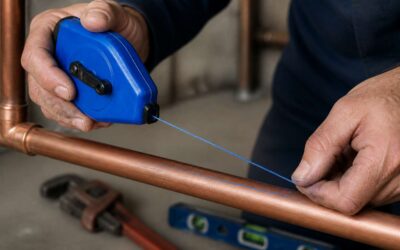
Core concepts accompany the skillset: diagnostic intuition to reveal hidden faults, blueprint literacy, material knowledge, clear communication, and unwavering safety compliance. what is plumber? It is a vocation built on method, patience, and respect for local regulation—turning a tangled network into reliable service. Here are typical tools used by plumbers to bring those concepts to life:
- Pipe wrench
- Adjustable wrench
- Pliers (channel locks)
- Pipe cutter
- Tubing cutter
- Soldering kit and flux
- Teflon tape
- Plunger
- Drain auger (plumber’s snake)
- Pipe inspection camera
Plumbing Services and What They Entail
Residential vs Commercial Plumbing Services
A dripping tap wastes about 19 litres a day—a number that makes even the most patient homeowner sit up. So, what is plumber? It’s more than a fix-it person with a wrench; a plumber is a guardian of your water system, keeping pressure steady and leaks at bay. Plumbing services span routine maintenance, emergency repairs, and new installations that protect homes from costly damage and wasted water.
Residential plumbing focuses on single-family homes and apartment blocks, where quiet, efficient systems are the goal. Commercial work tackles larger networks, stricter uptime demands, and building codes that require permits and coordinated shutdowns. Differences in scale shape scheduling, material choices, and warranty terms. So, what is plumber in practical terms? A craftsman who keeps systems running with precision.
- Leak detection and repair
- Drain cleaning and sewer maintenance
- Water heater service and pipe replacements
Across both sectors, the aim remains the same: dependable water flow, clean waste removal, and peace of mind for clients in South Africa.
Emergency Plumbing Services
When an unexpected leak interrupts the night, plumbing services become a lifeline. I’ve watched silent taps erupt into a flood, and the clock instantly becomes a loud metronome. In South Africa, emergency plumbing is defined not merely by after-hours access but by immediate assessment, containment, and a plan to restore flow without collateral damage. what is plumber, in practice, becomes a guardian who prioritises safety, speed, and sound workmanship when the stakes are high.
Emergency plumbing services cover rapid diagnosis, temporary stops to limit damage, and professional reworks of damaged lines. The scope typically includes:
- Burst pipe repair and pressure testing
- Blocked drains and sewer maintenance
- Hot water system faults and pipe replacements
Beyond the crisis, a qualified plumber ensures code-compliant fixes and long-term resilience, so homes remain dry, safe, and efficient.
Pipe Repair and Replacement
In South Africa, a single dripping tap can turn a quiet room into a chorus of pennies—every day, a leaky faucet wastes enough water to fill a bath. That is the drama of home plumbing: entropy kept at bay by skilled hands and swift responses.
So, what is plumber? In practice, it’s a guardian of flow, diagnosing and mending pipework with care. When pipes fail or old lines give way, a plumber offers pipe repair and replacement that restores safety, efficiency, and peace of mind.
Key steps often include:
- Locating the leak and assessing damage
- Choosing appropriate materials (copper, PEX, PVC)
- Executing seamless repairs and pressure testing to ensure lasting results
Beyond the repair, the craft embraces long-term resilience—smoothing the rhythm of water through a home without collateral fuss.
Water Heater Installation and Maintenance
what is plumber? It’s the steady hand behind heat, flow, and flawless showers in homes across South Africa. Plumbing services today aren’t just about fixing leaks; they cover water heater installation and maintenance that keeps mornings tolerable and evenings spa-like.
Plumbing services that entail water heater installation and maintenance include:
- Gas, electric, and solar-ready water heater installation tailored to home energy needs
- Tankless systems for continuous hot water with reduced footprint
- Routine maintenance: flushing, thermostat checks, pressure relief valve tests, and anode rod inspection
From solar options boosted by our sunny climate to smart flushes that prevent scale, the plumber’s craft ensures reliability without the collateral fuss.
Education, Training, and Certification for Plumbers
Pathways to Becoming a Plumber
what is plumber? A career built on precision, problem solving, and reliability. In South Africa, it’s a trade with steady demand and clear career paths. “Quality starts with the right training,” says a veteran plumber. Early exposure through school workshops or a technical college sets the stage for hands-on work and steady skill development!
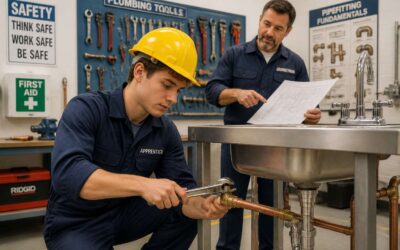
Education and training blend classroom theory with real-world practice. Most start with a certificate from a registered college, then enter an apprenticeship under a licensed plumber. This path pairs theory with on-site learning to build confidence and competence. The route includes:
- Trade theory at a technical college
- Two- to four-year apprenticeship
- On-site supervised work and assessments
Certification follows training. Plumbers may take a trade test and earn a national Red Seal or equivalent South African certification, enabling work across regions. Licensing and registration with the local labour or plumbing authority validate expertise and keep standards high.
Apprenticeships and On-the-Job Training
what is plumber? A craft that blends exacting theory with hands-on problem-solving, and a bit of South African grit. It’s a path where early training leads to on-the-job prowess, with mentors guiding you through the maze of pipes, pressures, and plastics.
- Formal learning at a registered college, where theory meets practical lab work.
- A structured apprenticeship under a licensed plumber, typically spanning two to four years.
- Regular on-site assessments and supervised tasks that translate classroom knowledge into real-world skill.
Certification seals the deal—trade tests and national or SA-equivalent credentials unlock mobility across provinces. Local authorities register qualified plumbers, maintaining standards and ensuring the trade remains respectable rather than a DIY meme.
Licensing Requirements by Region
If you ask what is plumber, the answer sits at the intersection of theory and fieldwork. In South Africa, education paths blend classroom study with hands-on practice, guided by SAQA and the National Qualifications Framework. A registered college program provides the foundational theory, while practical lab work translates it into real-world skill.
Training then moves to the on-site world, where an indentured apprentice learns under a licensed plumber. The journey is punctuated by regular assessments that translate classroom knowledge into reliable problem-solving on live systems.
- On-the-job training under a licensed plumber
- Regular on-site assessments and supervised tasks
- Exposure to local codes and safe practice standards
Certification seals the deal—trade tests and national credentials unlock mobility across provinces. In SA, registration with the Plumbing Industry Registration Board (PIRB) and local authorities maintains standards; the Red Seal option further expands opportunities for skilled plumbers across borders.
Continuing Education and Special Certifications
What is plumber? A guardian of the quiet flow, pairing learned theory with stubborn hands-on practice. In South Africa, continuing education for plumbers blends classroom study—guided by SAQA and the National Qualifications Framework—with practical labs and on-site practice that keep pace with evolving codes and technologies.
Education and training for ongoing mastery emphasize flexibility and relevance. Beyond initial licensing, plumbers pursue:
- SAQA-aligned Continuing Professional Development (CPD) units to refresh codes, safety, and energy efficiency
- On-site micro-credentials for specialized tasks such as backflow prevention, gas fitting, or solar water heating
- PIRB-approved certification renewals and local authority updates to maintain active registration
Certification then closes the circle—providing formal recognition and mobility. Trade-specific assessments, updated cross-border credentials where available, and a clear path to continued opportunity illuminate a career where education meets hands-on reliability.
Industry Associations and Networking
Among the many threads that weave the plumbing trade, industry associations provide the map. What is plumber? A professional who learns, networks, and stays current through formal structures—especially in South Africa where SAQA, NQF, and PIRB shape standards. Through these bodies, practitioners access education pathways, CPD credits, and on-site workshops that keep pace with evolving codes.
Membership sites, regional chapters, and industry events foster collaboration, mentorship, and peer review. Networks link apprentices with seasoned journeymen, create job pathways, and ensure compliance with safety and energy efficiency norms while maintaining active registration.
- Industry events and conferences for ongoing learning and visibility
- Mentorship and apprenticeship pipelines that sustain talent
- CPD tracking and cross-border recognition where available
Choosing and Working with a Plumber: Tips for Homeowners
How to Find a Qualified Plumber
In the quiet hush of a home, a reliable plumber is the unsung sentinel who keeps the walls from weeping. Understanding what is plumber reveals a craftsman who translates stubborn leaks into calm, and in South Africa that watchful presence is priceless when storms rise behind taps.
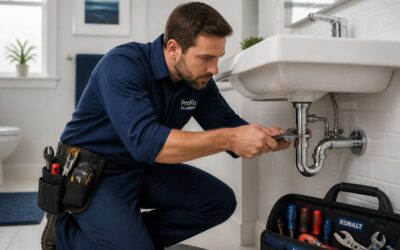
Choosing one means more than price. I tell homeowners to seek licensed, insured professionals with clear estimates and transparent timelines. Read reviews, request references, and confirm they offer after-hours support. A true guardian explains what will be fixed and why, before the first wrench turns.
- Licensing and insurance provide safety and accountability
- Written quotes set expectations and pricing clarity
- Clear warranty terms protect parts and labor
- Availability for emergencies signals reliability when issues arise
Trust is earned by steady communication and a clean worksite; carry that vibe from initial call to final test.
What to Ask Before Hiring
Water is a thirsty antagonist in South Africa, and a single drip can waste up to 15 litres a day. So, what is plumber? A craftsman who translates stubborn leaks into calm and keeps the walls from weeping, especially when storms rise behind taps.
Choosing one often hinges on professional standards—licensure, insurance, and the ability to explain what will be fixed and why before the first wrench turns. Clear estimates and timelines, plus after-hours support, tend to earn lasting trust.
Trust shows in a steady, no-surprises work ethic and a tidy site. With that vibe, a plumber becomes a quiet guardian for South African homes—reliable when the weather turns and the taps insist on drama.
Estimating Costs and Getting Quotes
Water is the patient antagonist in South Africa, and a single drip can drain your budget faster than a long lunch. So what is plumber? It is the craftsman who tames stubborn leaks and keeps walls from weeping when storms rise behind taps. A skilled plumber translates trouble into calm, promising clarity before the first wrench turns.
To avoid surprises, request an itemized estimate and a clear scope. A reputable pro explains what will be fixed, why, and when, with realistic timelines and warranties.
Plumbing Maintenance Tips to Prevent Leaks
In South Africa, every dripping tap drains your budget as fast as a long lunch. A single leak can swell your bill and stress your home. what is plumber? It’s the craftsman who tames leaks and keeps walls from weeping when storms rise behind taps. Leaks are not just a nuisance; they’re money down the drain!
Choosing the right pro starts with verification. Look for licensing, insurance, and a solid track record.
- Ask for an itemized estimate and warranties
- Verify licenses and insurance coverage
- Request references from recent residential work
- Agree on clear timelines and payment terms
Working with a plumber means clear communication, a defined scope, and realistic timelines. A reputable pro explains what will be fixed, why, and when, with warranties and a plan for contingencies.
Maintenance tips to prevent leaks: test fixtures quarterly, replace worn washers, know shut-off valves, and address corrosion early. Regular checks save water, protect your walls, and keep homes dry.
What to Expect During a Service Visit
A single drip can drain your wallet faster than a shadow crossing a quiet street. In South Africa, a tiny leak can raise your bill before you’ve brewed your morning tea. So what is plumber? It’s the craftsman who speaks to pipes in whispers, stopping walls from weeping when storms rise behind taps.
Choosing the right pro begins with verification: licenses, insurance, and a track record you can trust. During a service visit, expect courtesy, a clear diagnosis, and a transparent plan with timelines and contingencies. Request an itemized estimate and plain-word warranty details, not riddles wrapped in jargon.
During the service, keep this short checklist in mind.
- Identification and explanation of the issue
- Written estimate and warranty information
- Defined timeline and contingency plan clarified

0 Comments