
Understanding the Plumbing Trade: Roles and Responsibilities
Core Responsibilities of a Plumber
“Great plumbing is the quiet engine behind a comfortable home!” In South Africa, the craft blends problem-solving with practical artistry, keeping water safe, clean, and flowing even when pressure drops. The call of plumber jobs often begins with a stubborn drip and ends with a dependable fix, leaving homeowners relieved and tradespeople ready for the next challenge.
Understanding the plumbing trade means seeing roles beyond the wrench. Core responsibilities of a plumber include diagnosing issues, planning safe solutions, and coordinating with clients and builders.
- Assessing water supply, drainage, and vent systems
- Installing, repairing, and replacing pipes and fixtures
- Reading blueprints and ensuring compliance with South African standards
In South Africa, the environment demands respect for safety, regulations, and sustainable water use. This mix makes plumber jobs varied, rewarding, and essential in both urban and rural settings.
Residential vs. Commercial Plumbing Duties
Water is the quiet architecture of a home, and in South Africa the plumbing that keeps it flowing hides in plain sight. Even a small drip can waste hundreds of litres a week, a sobering reminder that this work blends care with precise problem-solving.
Residential plumbers handle daily household needs—fixing leaks, replacing fixtures, and keeping kitchens and bathrooms dependable. Commercial plumbers work on larger networks, coordinating with facilities teams and following stricter codes.
- Residential focus: quiet fixes and efficiency.
- Commercial focus: large networks, strict codes.
- Client collaboration: translating needs into reliable maintenance.
These plumber jobs demand judgment, patience, and a craftsman’s eye for safety and sustainable water use.
Common Tools and Technologies Used in Plumbing
Even a small drip wastes hundreds of litres a week, and the plumbing trade treats water like precious metal. Understanding the plumbing trade reveals how roles, safety, and practical problem-solving converge on real projects—from homes to bigger facilities—and why plumber jobs matter.
Common tools and technologies shape how problems are solved today. Here are some you’ll commonly encounter:
- Pipe wrenches and adjustable spanners
- Pipe cutters and deburring tools
- Teflon tape and pipe joint compounds
- Pressure gauges and level tools
- CCTV drain cameras and hydro-jetting equipment
- Soldering or brazing gear
- Trenchless repair gear for underground fixes
For those pursuing plumber jobs, this toolkit sets practitioners apart, marrying heritage skills with modern diagnostics across South Africa’s diverse plumbing landscape.
Typical Work Environments and Safety Considerations
A stubborn drip wastes hundreds of litres weekly, and the plumbing trade treats water like gold. Understanding plumber jobs means following how problem-solving, safety, and hard-won craft converge on real projects—from homes to large facilities—and why the trade matters in South Africa’s bustling water networks. Roles and responsibilities span diagnosing issues, designing fixes, coordinating with suppliers, and mentoring apprentices, all while keeping projects moving on schedule.
- In-home diagnostics and minor repairs
- Maintenance and upgrades for small businesses and offices
- Rapid on-site response to leaks, blockages and emergencies
Typical work environments range from cramped under-sink cupboards to rooftop plant rooms and municipal sites. Safety considerations hinge on PPE, working with confined spaces, hot-water systems, sewer gases, and electrical precautions—always prioritising safe access, lockout procedures, and clear communication with clients and teams.
Career Pathways and Specializations in Plumbing
Specializations and Niche Roles
In the dawn-lit alleys of a city where copper pipes sing beneath the streets, plumber jobs are quests, not chores. “A good plumber is a quiet architect,” says the elder of the guild, and the truth echoes through every joint and wrench. The path begins with a hands-on apprenticeship, moves through exams, and blossoms into mastery as South Africa’s demand for reliable water systems grows.
Career pathways unfurl into a tapestry of specializations and niche roles. You might steer toward gasfitting and heating, solar water heating, backflow prevention, or water efficiency and leak diagnostics—each lane carrying its own lore and dependable opportunity. This is where plumber jobs meet opportunity.
- Gasfitting and heating systems
- Solar water heating and heat pumps
- Backflow prevention and water safety testing
- Leak detection, water auditing, and smart diagnostics
Pathways into Plumbing Careers
In South Africa, a resilient water system keeps cities flowing—and the demand for skilled hands has never been higher. Plumber jobs are the quiet engine behind every healthy home and thriving business!
Career pathways unfurl as a tapestry of specializations and niches. Each lane bears its own lore, as if runes whispered by water. You might gravitate toward:
- Gasfitting and heating systems
- Solar water heating and heat pumps
- Backflow prevention and water safety testing
- Leak detection, water auditing, and smart diagnostics
Each lane offers its own lore and steady opportunity, inviting you to master the craft while contributing to safer, more efficient water networks across the country.
Advanced Certifications and Licenses
“The pipe teaches patience,” a master once told me, and the lesson sticks. In South Africa, plumber jobs are increasingly defined by advanced certifications that turn routine fixes into resilient systems. Mastery here means licenses that open doors—gasfitting, solar water heating, backflow testing, and smart diagnostics—each rung on a ladder carved by safety codes and energy efficiency.
Beyond the basics, the pathway becomes a living map. The following certifications and licenses codify expertise and unlock prestigious projects:
- Gasfitting certification and compliance to national safety standards
- Solar water heating and heat-pump system accreditation
- Backflow prevention testing and water safety licensing
- Leak detection, water auditing, and smart diagnostics proficiency
With these credentials, the field shifts from hands-on labor to strategic problem solving—no wonder plumber jobs attract professionals who value craft and consequence in equal measure.
Union vs. Non-Union Opportunities
A good plumber is a security system for a building’s life,” a veteran once said, and the line sticks. When exploring plumber jobs in South Africa, career pathways and specializations shape more than a toolbox—they shape a future. Union channels typically offer formal apprenticeships, standardized pay scales, and a clear ladder from apprentice to journeyman to master. Non-union shops prize flexibility, broader project variety, and faster entry into independent work or small-business ownership.
Paths vary by taste and ambition. Here’s a snapshot:
- Union track: apprentice → journeyman → master, with ongoing safety certifications and negotiated wages
- Non-union track: apprentice → licensed tradesperson → contractor or lead technician, often with self-employment options
- Specializations that move the needle: gasfitting, solar water heating, backflow testing, leak detection, smart diagnostics
Whichever road you pick, the payoff is real: steady demand, the chance to upskill, and the satisfaction of solving real-world problems. These routes feed plumber jobs across South Africa, balancing craft with strategy for a career that lasts longer than a single fix.
Contracting vs. In-House Roles
“A good plumber is a security system for a building’s life,” a veteran once whispered, and the line still rattles in the copper-laden air. In South Africa, the craft beckons with precision, grit, and a stubborn vow to fix what others leave leaking.
Career pathways split into contracting and in-house roles, each with its own cadence and code. Two tracks illuminate the horizon:
- Contracting: project-based, client-facing, scalable workloads
- In-house: maintenance-led, steady hours, enduring team culture
Specializations that move the needle guide the journey: gasfitting, solar water heating, backflow testing, leak detection, and smart diagnostics. These paths shape plumber jobs across South Africa, balancing craft with strategy for a career that lasts longer than a single fix.
Education, Training, and Certification for Plumbers
Education Routes: Apprenticeships and Trade Schools
In South Africa, a reliable plumber isn’t a luxury—it’s essential infrastructure!
Education routes center on apprenticeships and trade schools, where on-site learning pairs with formal modules. Apprenticeships typically combine paid work with classroom sessions over several years, while trade schools offer focused diplomas in piping, sanitation, and codes.
- Paid on-the-job training
- Structured classroom modules
- Practical exams and assessments
Completion leads to trade tests and registration with SETAs or professional bodies, opening pathways to journeyman status and plumber jobs.
Licensing Requirements by Region
Education, Training, and Certification are the compass points guiding plumber jobs across South Africa’s regions. “Certification is the backbone of every fix,” rings true across trades, even as licensing shifts from province to municipality; the truth remains: mastery earns trust, and proof of competence unlocks opportunity. Regions weave different rules, but every pipe needs a craftsman who is certified, current, and capable.
- Trade tests and regional registration with SETAs or professional bodies
- Certification by recognized professional bodies and industry regulators
- Municipal licensing or permit eligibility for on-site work
Beyond the gatekeeping, the journey remains practical and hopeful. When education aligns with regional standards, careers in plumbing become dependable, with ongoing training and renewal of certification ensuring the flow of skill to homes and businesses alike.
Hands-On Training and On-the-Job Experience
Bright taps, sharper minds: in plumber jobs, hands-on training is the steady drumbeat that keeps every project flowing. A veteran plumber reminds us: “Practical skill pays the bills”—and it lands on site every day!
In South Africa, education and training blend classroom theory with real-world tasks. Apprenticeships pair time with a skilled mentor, while practical modules, safety drills, and diagnostic exercises turn book knowledge into reliable, on-site performance. This approach helps plumb the path from trainee to trusted tradesperson while aligning with regional expectations and industry standards.
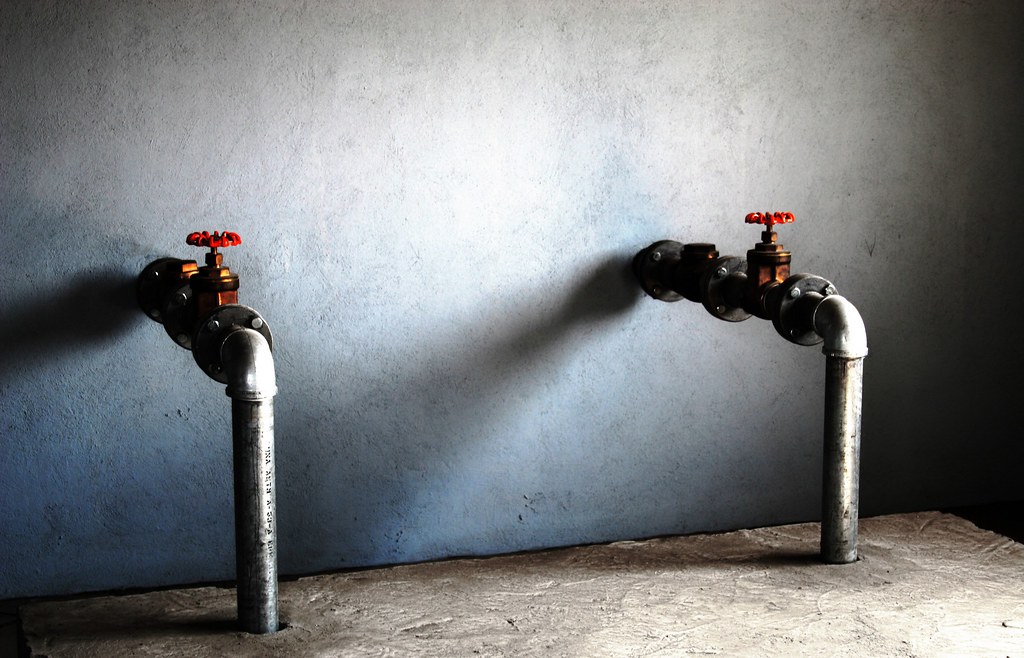
- On-site mentorship under licensed professionals to gain real-world insight
- Structured field tasks with supervised evaluations that prove competence
- Controlled workshop sessions that simulate common fixes without risking a live system
When education aligns with regional standards, plumber jobs become dependable, with ongoing training keeping the craft current and trusted.
Employment Market and Opportunities for Plumbers
Current Demand by Sector and Region
Across South Africa, plumber jobs are on the rise, with a 7% year-on-year uptick as cities expand and maintenance programs scale up. The trend signals steady demand beyond the basics, touching homes, schools, and factories alike.
Current demand is strongest in residential housing, refurbishments, municipal water projects, and the upkeep of commercial facilities. New construction in urban centers keeps plumbing teams busy, while maintenance contracts ensure ongoing work across sectors.
- Residential housing and retrofit projects
- Municipal water and sewer upgrades
- Commercial and industrial facilities maintenance
- Mining towns and remote-site servicing
- Facilities management and contract maintenance
Regionally, Gauteng, the Western Cape and KwaZulu-Natal lead the market, with Eastern Cape and Limpopo showing steady growth. Regional pockets show seasonal spikes linked to housing booms and municipal upgrades across provinces. Plumber jobs vary by region and sector, with urban hubs offering the broadest opportunities.
Average Salary and Earning Potential
In South Africa’s construction tableau, plumber jobs sit among the top five in-demand trades, quietly underwriting progress from housing estates to industrial sites. The earning horizon for skilled hands is more staircase than elevator, with overtime and maintenance calls frequently sweetening the ledger!
Average salaries vary by region and contract—here’s a practical snapshot:
- Entry-level: roughly R110k–R180k per year
- Mid-career and skilled: roughly R180k–R320k per year
- Senior/contract roles with on-call duties: R320k+ per year
Regional dynamics matter, with Gauteng, the Western Cape, and KwaZulu-Natal offering the strongest pipelines. Coastal and rural provinces maintain steady demand, while contracting and facilities management can unlock premium earnings for those who juggle schedules with flair.
Job Growth Projections and Economic Factors
In SA, plumber jobs are among the steady performers as housing estates go up and industrial sites come online. A veteran contractor notes that skilled hands are never idle for long, and the trend shows ongoing demand driven by maintenance, upgrades, and public works.
Job growth hinges on infrastructure spend and water-efficiency drives. Plumbers who expand into retrofit projects, leak detection, and green plumbing will find expanding opportunities, especially in hubs like Gauteng, the Western Cape, and KwaZulu-Natal. For those chasing plumber jobs, the market remains buoyant.
- Maintenance and retrofits in housing estates
- Facilities management and on-call contract work
- Industrial and commercial plumbing projects
These forces create durable paths for skilled trades across SA, translating into real careers rather than seasonal gigs.
Work-Life Balance and Scheduling
South Africa’s plumber jobs scene remains buoyant, with steady demand spanning maintenance contracts, housing estates, and municipal upgrades. Shifts tend to be predictable, helping professionals plan both their work and personal commitments.
- Flexible daytime shifts in facilities management
- Rotating on-call duties for emergencies
- Structured night or weekend rosters for industrial projects
That balance translates into longer careers and fewer midnight headaches, with opportunities clustered in Gauteng, the Western Cape, and KwaZulu-Natal as cities grow and upgrade their water systems.
In practice, that means you can tailor your week—from school runs to snagging a service window in the afternoon, to stacking weekend rotas when a big retrofit hits. Employers value reliability, so you’ll see paid leave, predictable schedules, and clear on-site timelines in major hubs like Gauteng, the Western Cape, and KwaZulu-Natal.
Job Search Strategies and Career Advancement for Plumbers
Optimizing Your Resume for Plumbing Roles
Within the urban maze, plumber jobs hinge on more than steady hands; they hinge on a story your resume can narrate. A seasoned master once whispered, “Every pipe tells a tale, and your resume can be the opening chapter.” The craft rewards preparation, clarity, and a touch of daring.
To optimize for plumber jobs, keep layouts clean, use regional terms, and spotlight results. In South Africa, employers value safety training, timely repairs, and the ability to coordinate with property teams. Include a compact project log and references that vouch for reliability and craftsmanship.
Craft a narrative that links hands-on stories to universal problem solving—show how you diagnose faults, communicate with clients, and finish with minimal disruption; in the South African market, clear storytelling elevates the craft from routine toil to trusted partnerships.
Networking and Industry Connections
In South Africa, roughly 68% of plumber jobs land through referrals rather than cold applications, a stat that shouts: your network is your best tool. As one veteran quips, “Your network is your duct tape for the career”—sticky and reliable. I’ve seen hands win gigs by stories arriving on site before the truck.
Networking here means turning every completed job into a standing reference and every reference into the next doorway. Relationships with property managers, facilities teams, and dependable suppliers become the quiet engines behind plumber jobs. It’s less hustle, more being remembered for reliability and calm when pipes roar.
Advancement comes from narrating hands-on work as universal problem-solving: diagnosing faults, communicating with clients, and delivering fixes with minimal disruption. In South Africa, storytelling makes the craft feel like partnership rather than toil—a currency that grows with every satisfied client and every plumber job levered into opportunity.
Interview Preparation and Common Questions
Plumbing interviews hinge on stories that travel with you to site. In South Africa, 68% of plumber jobs land through referrals, a reminder that your reputation travels faster than your van. The interview should show how you diagnose leaks and restore flow calmly.
When preparing for interviews, frame hands-on work as universal problem-solving. Expect queries about diagnosing faults, communicating with clients, and delivering fixes with minimal disruption. Outcomes—safety, speed, and respect for property—fuel confident answers.
- Approach to fault diagnosis and prioritization
- Client communication under pressure
- Safety, compliance, and site etiquette
- Adaptability to residential and commercial environments
Career advancement comes from turning each assignment into a reference and every job into a story. In SA, relationships with property managers and suppliers quietly propel plumber jobs forward.
Digital Job Platforms and Local Openings
In South Africa, 68% of plumber jobs land through referrals, a vivid reminder that reputations travel faster than a van. Digital job platforms widen the funnel and put more openings in reach for ambitious hands.

Online, I craft a crisp profile on major SA job boards and professional networks. I keep my résumé concise and my portfolio of fixes ready to illustrate diagnostic thinking and reliable turnarounds.
Strengthen local ties: I build relationships with property managers, maintenance teams, and local suppliers. Quick responses, respectful site manners, and precise notes about client briefings turn every listing into a stepping-stone.



0 Comments