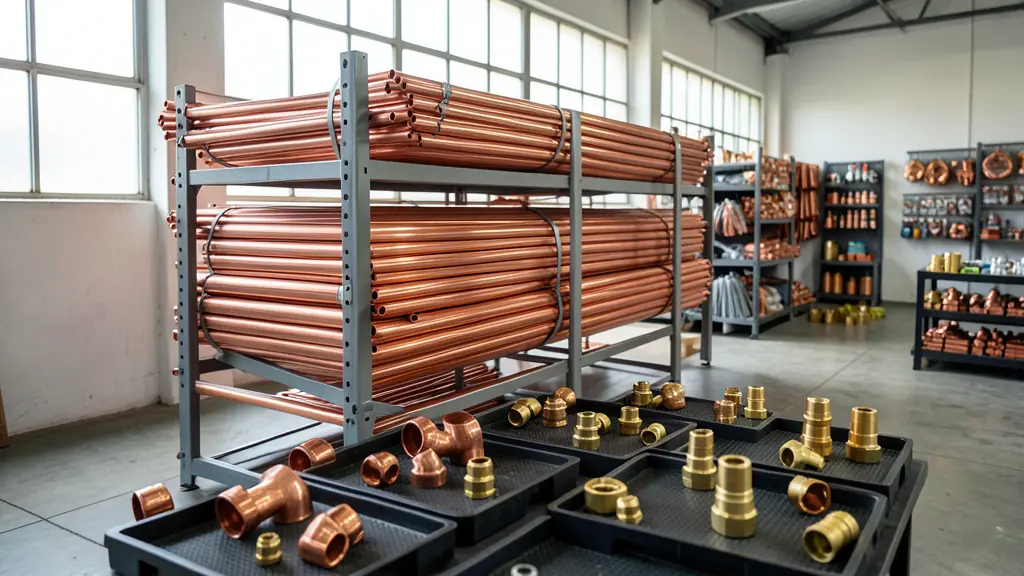
Copper pipe remains a favourite for hot and cold water supply in South African homes and commercial buildings. It handles heat well, lasts for decades and is required on many geyser connections. Because copper prices move with the metal market, the best way to know the real copper pipe cost today is to ask. Send us your list and an independent plumbing supplier in your area will quote you directly, free and with no obligation.
15mm and 22mm copper pipe and tube classes
The most common sizes are 15mm copper pipe for branch lines to taps and fixtures and 22mm copper pipe for main runs and geyser connections. Larger diameters are used in commercial buildings. Copper tube in South Africa is made to SANS 460, which defines different classes by wall thickness. Class 0 is thin-walled, while Class 1 and Class 2 have thicker walls for more demanding applications. Ask your plumber which class suits your installation and include it in your request.
Copper plumbing fittings: compression vs capillary
There are two main ways to join copper. Compression fittings use a brass nut and olive, need no heat and are easy to undo later. Capillary or solder fittings are soldered with a torch and are neat and compact once installed. Your quote can cover elbows, tees, reducers, couplings, valves and tap connectors in either type.
Copper plumbing price and alternatives
Copper plumbing price depends on diameter, tube class, length, fitting type, brand and quantity, as well as metal prices on the day. If budget is tight, ask for a comparison with PEX or multilayer composite pipe, which are lighter and often quicker to install, though they need their own approved fittings.
Bulk copper orders for contractors
Plumbing contractors and developers often buy copper tube by the bundle along with boxed fittings, valves and pipe clips. Because the metal price shifts, ask how long your quote is valid and whether the supplier can hold a price for a phased project. Lagging for hot water pipes, stop cocks, isolating valves and tap connectors can be added to the same request, which saves time on site.
Storage matters too. Copper tube should be kept capped and off the ground to stop dirt and damage before installation. Once fitted, hot water installations near geysers must comply with SANS 10254 and should be signed off by a PIRB registered plumber.
Comparing copper pipes and fittings quotes
Prices for plumbing materials move with brand, specification and quantity. When quotes arrive, check:
- Specification: sizes, pressure class or rating, and that items carry SABS or JASWIC approval where your municipality expects it.
- Stock and lead time: whether everything is in stock or some lines must be ordered in.
- Delivery: the delivery charge and minimum order for your site, or the branch where you can collect.
- Trade terms: bulk discounts, account options and the returns policy for unused stock.
Our service puts your request in front of a supplier in your area so you can check these points before you commit. It costs nothing and there is no obligation to accept the quote.
What to include in your request
- Pipe diameters and number of lengths
- Tube class required (Class 0, 1 or 2)
- Compression or capillary fittings, with quantities of each
- Delivery address and the date you need the material
Frequently asked questions
Why do copper pipe prices change so often?
Is copper pipe needed for geyser connections?
Should I choose compression or capillary copper plumbing fittings?
How long is a copper pipe quote valid?
Copper Pipes & Fittings by province
Copper Pipes & Fittings by city
- Copper Pipes & Fittings in Johannesburg
- Copper Pipes & Fittings in Pretoria
- Copper Pipes & Fittings in Sandton
- Copper Pipes & Fittings in Centurion
- Copper Pipes & Fittings in Midrand
- Copper Pipes & Fittings in Randburg
- Copper Pipes & Fittings in Roodepoort
- Copper Pipes & Fittings in Alberton
- Copper Pipes & Fittings in Boksburg
- Copper Pipes & Fittings in Kempton Park
- Copper Pipes & Fittings in Benoni
- Copper Pipes & Fittings in Edenvale
- Copper Pipes & Fittings in Germiston
- Copper Pipes & Fittings in Krugersdorp
- Copper Pipes & Fittings in Vereeniging
- Copper Pipes & Fittings in Vanderbijlpark
- Copper Pipes & Fittings in Cape Town
- Copper Pipes & Fittings in Bellville
- Copper Pipes & Fittings in Somerset West
- Copper Pipes & Fittings in Stellenbosch
- Copper Pipes & Fittings in Paarl
- Copper Pipes & Fittings in George
- Copper Pipes & Fittings in Durban
- Copper Pipes & Fittings in Umhlanga
- Copper Pipes & Fittings in Ballito
- Copper Pipes & Fittings in Pinetown
- Copper Pipes & Fittings in Pietermaritzburg
- Copper Pipes & Fittings in Richards Bay
- Copper Pipes & Fittings in Port Elizabeth (Gqeberha)
- Copper Pipes & Fittings in East London
- Copper Pipes & Fittings in Bloemfontein
- Copper Pipes & Fittings in Welkom
- Copper Pipes & Fittings in Polokwane
- Copper Pipes & Fittings in Tzaneen
- Copper Pipes & Fittings in Nelspruit (Mbombela)
- Copper Pipes & Fittings in Witbank (eMalahleni)
- Copper Pipes & Fittings in Rustenburg
- Copper Pipes & Fittings in Klerksdorp
- Copper Pipes & Fittings in Potchefstroom
- Copper Pipes & Fittings in Kimberley
- Copper Pipes & Fittings in Upington
Related plumbing supplies
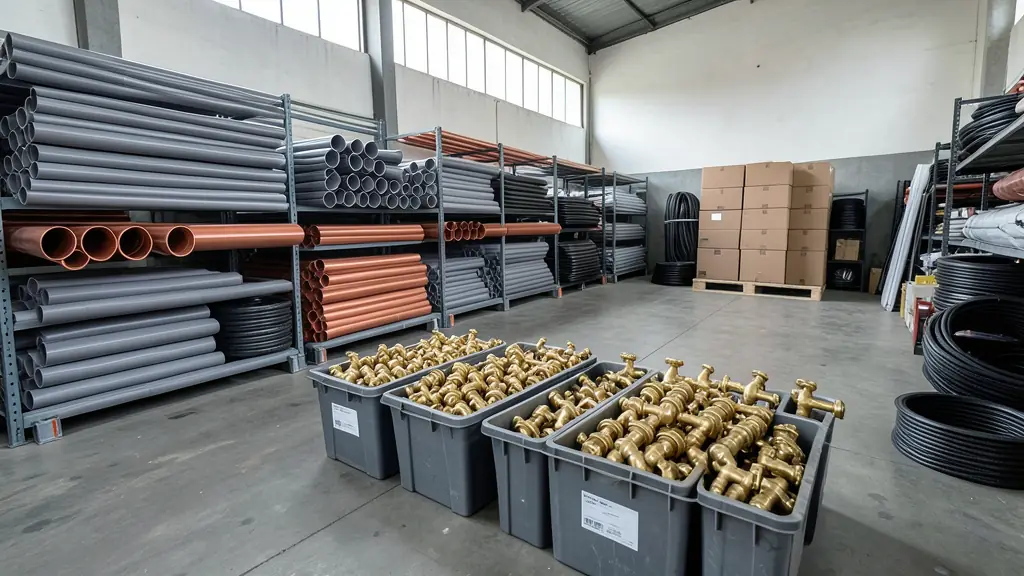 Plumbing SuppliesGet a free quote on plumbing supplies from a local merchant: pipes, fittings, geysers, taps, sanitaryware and plumbing tapes, from single items to bulk orders.
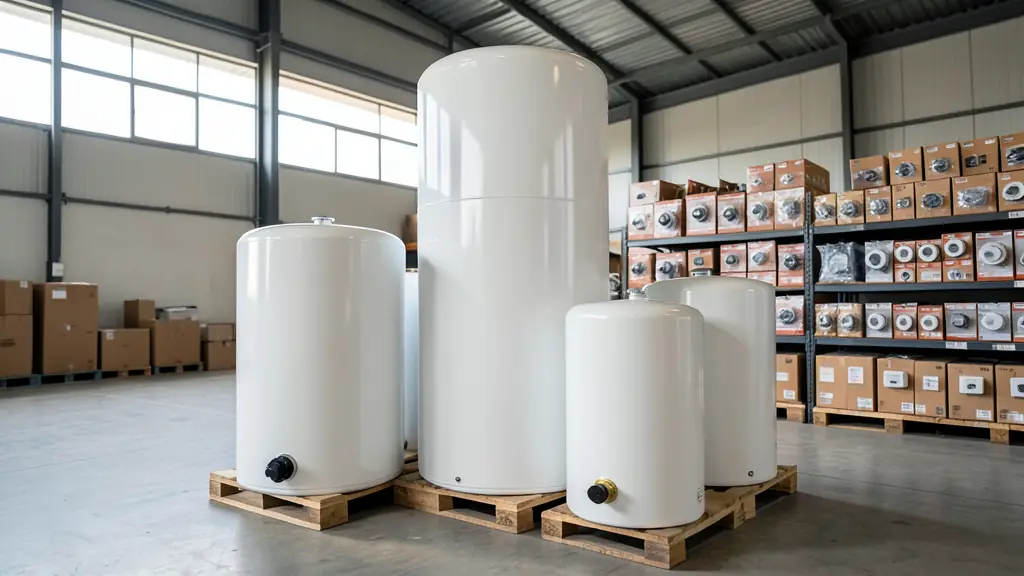 Geysers for SaleGet a free geyser quote from a local supplier: 50, 100, 150 and 200 litre geysers, plus geyser element and thermostat prices. Free, with no obligation to buy.
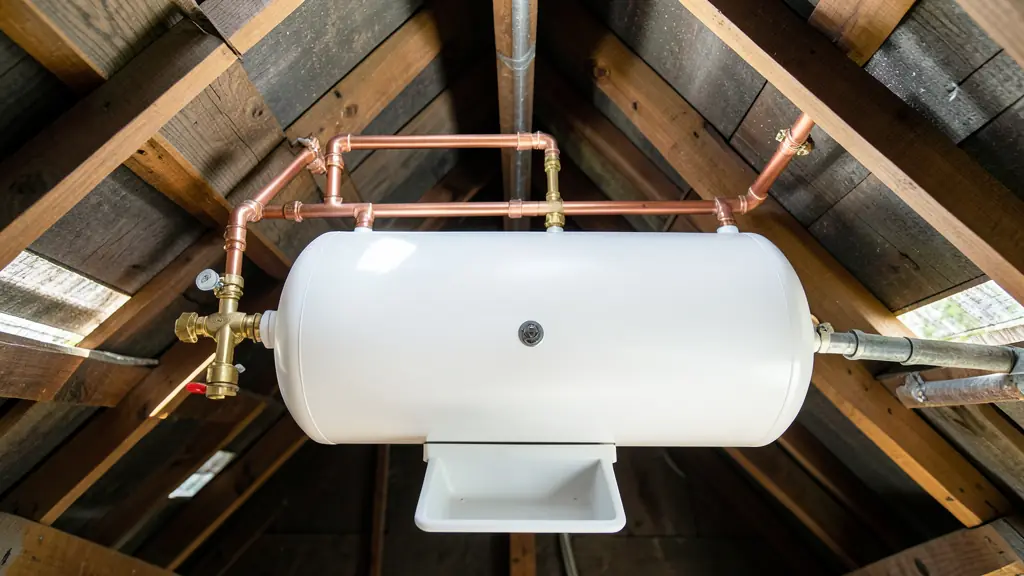 Geyser InstallationGet a free geyser installation quote in South Africa. One request reaches a local plumber for new or replacement geysers, valves, drip trays and a PIRB CoC.
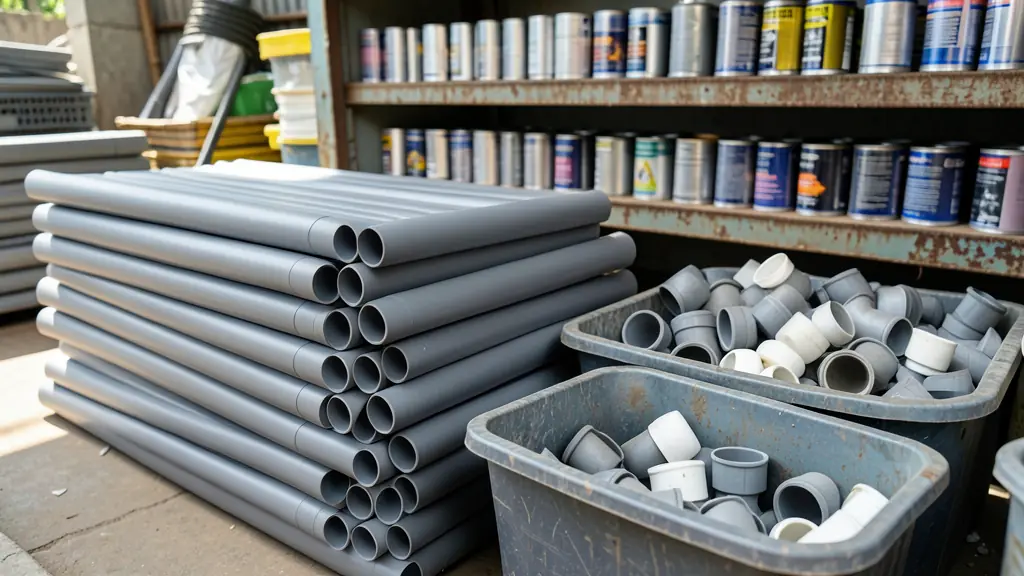 PVC Pipes & FittingsGet a free quote on PVC pipe and fittings: 40mm, 50mm and 110mm uPVC soil and waste pipe, pressure pipe classes and solvent cement, from plumbing suppliers.