
Understanding the Plumbing Assistant Role
Key Responsibilities and Daily Duties
In South Africa, roughly 60% of homes report at least one plumbing issue each year, making prompt, reliable help essential. Plumber assistant jobs sit at the heart of that reliability, keeping crews moving and water correctly routed so repairs don’t spiral into bigger problems.
In this role, you support licensed plumbers, handle prep work, and keep job sites safe and organized. Core duties revolve around hands-on support, tool management, and patient communication with clients and teammates—essentials for smooth schedules and accurate installations.
- Assisting with pipe fitting, cutting, and measuring
- Preparing work areas, transporting materials, and handing tools
- Observing safety protocols and cleaning up after jobs
That steady support is what keeps projects on track on South Africa sites, and it opens doors to broader trades exposure as you gain experience.
Work Environments and Typical Job Sites
More than six in ten South African homes wrestle with a plumbing issue each year, and the steady engines of relief are the plumber assistant jobs that keep crews moving and pipes true to their path. Their quiet diligence prevents small hiccups from blooming into bigger headaches, even on days when the forecast is uncertain and the noise of hammers fills the street.
Work environments vary wildly—from sunlit suburbs to construction sites—shaped by weather, city planning, and client needs. On every site, the role blends hands-on prep with careful tool management, clear communication with customers, and a watchful eye for safety. The rhythm is pragmatic, yet there’s room for patience and professional pride in a job well done.
Typical job sites span new housing builds in urban corridors to retrofit projects in townships and rural towns; in this field, plumber assistant jobs open doors to broader trades as experience grows.

Hours, Shifts, and On-Call Schedules
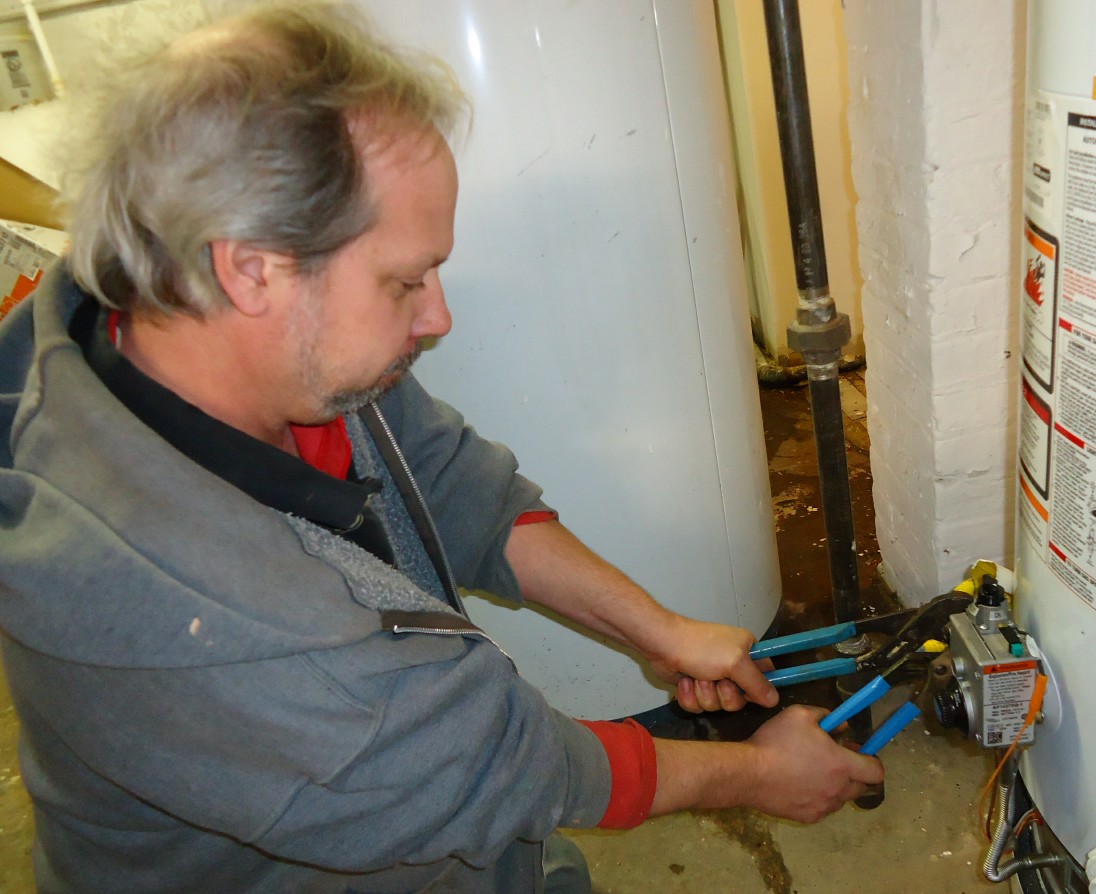
Across South Africa’s busy streets and quiet townships, more than 60% of households face a plumbing issue each year, and hours for plumber assistant jobs swing with the seasons and the weather, like a stubborn pipe that won’t quit. On-call reality is the unadvertised boss here—plan your life around emergencies, not the clock. You might start before dawn as the sun climbs over corrugated roofs, or slip into a late shift when a leak shouts for attention. It isn’t glamorous, but the rhythm is honest work, and pride hides in every small fix.
- Day shifts with standard hours
- Evening or night shifts
- On-call rotations for emergencies
- Weekend or holiday relief
Beyond the schedule, travel between sites—from sunlit suburbs to retrofit townships—keeps things lively. PPE, briefings, and a proactive safety stance aren’t optional; they’re the toolkit. The right attitude makes unpredictable hours feel like part of the job, not a nuisance.
Entry-Level vs Apprenticeship Paths in Plumbing Support
Across South Africa, plumber assistant jobs sit at the brisk crossroads of hands-on grit and methodical problem-solving. A telling fact keeps it honest: most households confront a plumbing snag each year, and the path you choose at the start quietly shapes your future in the trade.
Two routes stand out for newcomers.
- Entry-level roles with on-the-job training, mentorship, and speed-learning on real jobs.
- Apprenticeships combining paid work with formal instruction and a national trade certificate.
The entry path rewards agility and reliability; the apprenticeship rewards time-resilience and a formal credential.
Whichever road you take, expect varied sites, strict safety culture, and the same satisfying click when a stubborn leak finally gives way!
Impact of a Plumbing Assistant on Job Sites
On bustling South African job sites, the hiss of a valve writes a quick epic in real time. plumber assistant jobs blend grit with precision, turning small fixes into lessons in timing. “Every leak is a lesson in timing,” a veteran plumber often says, and the pace a thoughtful helper brings can mean the difference between dawn’s first glow and a project dragged out.
- Keeps workspaces organized, lowering slip hazards
- Prepares tools and materials for the lead plumber
- Bridges communication with homeowners for smoother access
For those exploring this path, the on-site influence grows with experience, turning early chores into confident, skilled collaboration.
Core Skills and Qualifications for Plumbing Helpers
Technical Skills Essential for Plumbers’ Assistants
On every South African job site, the line between a quick fix and a flood hinges on the right support. In plumber assistant jobs, core skills unlock that edge, turning the noise of tools into the rhythm of progress. A sharp foreman once said, “The difference between a leak stopped fast and a lasting repair is the skill tucked behind the toolkit.”
- Strong communication and teamwork to coordinate with licensed plumbers
- Reliable punctuality and a safety-first mindset
- Basic math, measurement, and problem-solving
- Reading simple blueprints and schematics
- Hand-eye coordination and physical stamina
Technical skills such as proper tool handling, pipe cutting and joining (copper, PVC, and basic steel), basic soldering or brazing under supervision, pressure testing, and the ability to identify hazards keep projects on track. Knowledge of local codes and safety standards in South Africa helps a helper anticipate what comes next on site.
Soft Skills and Customer Interaction
On South Africa’s bustling job sites, a single well-timed word can steer a project away from chaos. A veteran foreman once whispered, “The difference between a leak stopped fast and a lasting repair is the skill tucked behind the toolkit.”
Soft skills and customer interaction shape the backbone of plumber assistant jobs. Clear communication with licensed plumbers, reliable punctuality, and a safety-first mindset keep crews moving smoothly.
- Clear communication with licensed plumbers and homeowners
- Reliability, punctuality, and responsibility
- Patience and empathy in anxious households
- Professionalism in appearance and conduct
- Calm problem-solving under changing conditions
Bearing this on the shoulders of daily interactions, reading customers’ cues and translating technical steps into plain language helps turn hesitation into trust. In South Africa’s diverse communities, a warm, respectful presence often speaks louder than tools.
Education, Training, and Certification Options
“The difference between a leak stopped fast and a lasting repair is the skill tucked behind the toolkit.” In plumber assistant jobs, core skills and qualifications are the compass that keeps crews aligned. Reading plans, basic measurements, and a safety‑first mindset form the bedrock, with calm problem‑solving when supply lines change course.
- Apprenticeships with licensed plumbers for hands‑on skill and mentorship
- National Qualifications Framework certificates (NQF) in Plumbing, typically Levels 2–4
- Trade tests and PIRB registration for formal recognition as a plumbing practitioner
- Short courses in safety, pipe fitting, tool handling, and on‑site procedures
These education, training, and certification options shape progression within plumber assistant jobs in South Africa, offering practical pathways from entry‑level to proficient support on busy job sites.
Safety and Compliance Requirements
On South African sites, the true craft of a helper is reading the room as much as the plan. Core skills—steady hands, accurate measurements, and a safety-first sensibility—act as the compass when supply lines shift in the middle of a sunrise job. In the world of plumber assistant jobs, precision is a quiet partner you carry as you move from panel to panel, tool bag to tool bag, listening for the hum of a failing connection and stepping in with calm, deliberate action.
- Personal protective equipment (PPE) and awareness of surroundings to prevent injuries
- Compliance with health and safety regulations and board standards (like PIRB) on every site
- On-site risk assessments, safe material handling, and prompt incident reporting
These safety foundations, paired with practical communication and dependable support, keep teams cohesive and customers confident as water finds its course under South African skies.
Related Experience That Helps Your Resume
A strong resume for plumber assistant jobs hinges on precision and calm under pressure. On South African sites, small, accurate actions compound into reliable outcomes—and that balance often wins the day.
- Reading and interpreting plumbing drawings and measurements
- Precise measuring, cutting, and fitting
- Hand and power tool proficiency
- Material handling and inventory awareness
- Clear communication with team and site supervisors
Related experience, from facilities maintenance to hardware store roles, strengthens the resume by providing concrete examples of teamwork, scheduling, and task completion under pressure. Highlight how you supported trades, managed simple repairs, and kept work areas safe and organized.
Together, these qualifications signal readiness to back foremen, coordinate materials, and reassure customers while water finds its course. They map directly to plumber assistant jobs opportunities across domestic and commercial sites.
Finding Opportunities and Making Your Application Stand Out
Where to Look for Plumbing Support Roles
“Time saved on the job is money earned in the pocket of every tradesperson,” a veteran foreman once observed. That mindset shapes the hunt for plumber assistant jobs across South Africa. Where to look? Local plumbing firms and independent contractors, construction and maintenance outfits, municipal facilities, and trade schools—they hum with potential.
- Local plumbing firms and independent contractors
- Construction and maintenance companies
- Municipal facilities and housing authorities
- Trade schools, apprenticeships, and job training centres
- Staffing agencies specializing in trades
When it comes to making an application stand out, hiring teams look for reliability, safety-mindedness, and the ability to translate a problem into a practical fix. For plumber assistant jobs, such storytelling—quiet consistency, collaboration with seasoned plumbers, and a readiness to learn—tends to resonate more than bravado. That approach often opens doors on busy South African job sites.
Crafting a Results-Oriented Resume for Trade Positions
Recruiters in South Africa often decide in under six seconds whether a resume deserves a second glance. That brutal brevity punishes generic applications and rewards crisp, results-focused stories—especially for plumber assistant jobs. I’ve seen how reliability, safety-mindedness, and the ability to translate a problem into a practical fix turn a simple line on a CV into a door cracked open on a busy site.
Finding opportunities means more than posting a CV; it’s about weaving a narrative that mirrors the real needs of busy sites. A results-oriented resume for trade positions should highlight hands-on outcomes, collaboration with seasoned plumbers, and a demonstrated willingness to learn. The best resumes read with intent, where the language hints at reliability and safety, and where the term plumber assistant jobs surfaces naturally during searches and conversations.
What Employers Expect in an Interview for Assistants
On busy South African sites, six seconds can decide your fate! For plumber assistant jobs, a well-tuned narrative beats a generic CV every time. Craft a resume that foregrounds reliability under pressure, safety-minded habits, and the ability to translate a snag into a practical fix. Show collaborations with seasoned plumbers, and a clear track record of learning quickly—these signals turn a flat line into a doorway on a crowded site.
During interviews, employers seek more than core know-how. They value practical problem-solving, calm communication under pressure, and a demonstrated willingness to learn from skilled mentors. The conversation often turns to experiences where you supported a team, upheld safety standards, and kept clients informed. Employers look for curiosity, accountability, and a respectful, proactive attitude toward every task.
Networking and Referral Strategies
Finding opportunities for plumber assistant jobs hinges on visibility and approach. Networking and referrals unlock openings faster than a cold application, especially on busy South African sites. A local map helps: who works where, who mentors apprentices, and where suppliers chat after hours. A nod from a trusted trade contact can land an interview before a CV lands on the desk.
On the ground, connections feel like scaffolding—steady, unseen, essential. The right word from a former supervisor or a calm introduction at a hardware store can tilt the scales toward a chance to prove yourself on a real job. This is how reputation grows in plumber assistant jobs: quietly, reliably, one opportunity at a time.
Opportunities don’t shout; they whisper to those who listen. The search for plumber assistant jobs thrives where competence meets courtesy and readiness to learn under seasoned mentors.
Portfolio and References You Might Include
Opportunities in plumber assistant jobs whisper from hardware aisles and repair bays, choosing the patient and prepared over the loud and hasty. A trusted nod—an elder mentor, a supervisor’s calm word—lands interviews before a CV clears the desk. In South Africa’s bustling sites, visibility and reputation travel farther than a glossy resume, and readiness to learn can turn a chance into a first day on the job. The right introduction feels almost ceremonial, a steady handshake that marks you for consideration in a crowded tradescape.
- Brief project summaries showing on-site tasks and outcomes
- Testimonials from mentors or supervisors
- Photographs or job cards illustrating past work
- Safety training certificates and compliance notes
With these elements, your portfolio and references become a lantern in the dim corridors of construction, guiding employers toward a steady, reliable candidate in this field.
Training Pathways and Certifications
Apprenticeship Programs and Trade Schools
If you’re eyeing plumber assistant jobs, you want a map that actually leads to a steady paycheck. Hands-on credentials beat degrees, especially in SA where apprenticeships bring real street cred and practical know-how.
- Apprenticeship Programs — typically four years, combining on-the-job training with blocks of classroom instruction, often under a SETA umbrella and aligned to the National Qualifications Framework (NQF).
- Trade Schools and Tertiary Diplomas — focused plumbing theory, math, and system design that complement hands-on work and accelerate progression toward the trade test.
- Certification Courses — gas safety, water regulations, and confined-space awareness that keep you compliant and marketable in bustling job sites.
From there, South Africa’s regulatory body pathways reward practical skill with recognized credentials—making your next role in plumbing support both respectable and resilient.
Industry Certifications and Credentials (e.g., NCCER, EPA)
Every sturdy career in plumbing begins with a credential that follows you like a trusted wrench. A master once quipped, “The certificate you carry is the traction you feel on day one.” In plumber assistant jobs, hands-on proof outpaces parchment: it is the glow on your resume that signals readiness to the buzzing sites and team leads. I’ve seen that traction—it’s real.
Training pathways forge that proof into a passport. The industry recognizes a spectrum of certifications that validate safety, efficiency, and problem-solving under pressure. Consider these credentials as stepping stones that keep your toolkit ready and your prospects bright:
- NCCER credentials
- EPA-style safety and environmental compliance modules
- Gas safety and confined-space awareness certifications
Across South Africa, these industry credentials translate into portability and resilience for plumber assistant jobs. Local bodies align formal training with real-world demands, ensuring your path remains nimble as sites evolve and regulations tighten.
On-the-Job Training and Mentorship Programs
The path to plumber assistant jobs in South Africa is guided by hands-on wisdom, not glossy certificates. A seasoned mentor once quipped, “Your first wrench earns respect long before your second cup of coffee.” Training pathways turn that wisdom into a portable passport—proof of safety, efficiency, and the nerve to troubleshoot under pressure. On bustling sites, practical experience outshines parchment, and the glow on your résumé signals readiness to the crew and the site lead. I’ve seen these pathways turn raw enthusiasm into steady, on-site reliability.
On-the-job training and mentorship programs form the backbone of steady progress. They blend real tasks with guiding hands, building competence without the sterile air of a classroom.
- Structured apprenticeships blending theory with field work
- On-the-job training and ongoing mentorship
- Industry-recognized safety and competency modules
Across South Africa, training bodies align these programs with real-site demands, ensuring mobility as codes shift and projects grow.
Cost, Timeframes, and Funding for Training
Training pathways aren’t a mystery cloak-and-dagger affair; they blend theory with hands-on hustle and keep the receipts honest. For plumber assistant jobs, you’ll likely see a spectrum of costs and funding routes, but the payoff is a portable skill set and a safety net. In South Africa, structured apprenticeships, recognition of prior learning, and government-funded bursaries push practical training within reach.
Here are the core elements to consider:
- Costs: tuition, equipment, exam fees, and PPE.
- Timeframes: roughly 6 to 24 months depending on the program and prior experience.
- Funding: SETA-funded learnerships, employer sponsorships, and bursaries.
Continuing Education and Specializations
Training pathways for plumber assistant jobs marry classroom basics with on-site hustle, turning learning into practical grit. In South Africa, formal apprenticeships, recognition of prior learning (RPL), and government bursaries push hands-on training within reach. The aim is a portable skill set and a safety net that travels with you across sites.
Core routes include:
- Apprenticeships with a registered training provider
- RPL pathways that credit prior hands-on work
- SETA-funded learnerships and employer sponsorships
Continuing education and specializations are the next frontier. Short courses in pipe fitting, leak detection, plumbing codes, and safety compliance expand your scope and earning potential. Certifications from recognized bodies, plus on-the-job mentorship, ensure you stay current as technologies and regulations evolve.
Career Growth, Salary, and Industry Trends
Typical Salary Ranges by Region and Experience
South Africa’s plumber assistant jobs are showing solid momentum, with industry data hinting at a 20% uptick in junior roles over the past two years. The growth is unmistakable: hands-on learners rise into more responsible, well-remunerated positions on real job sites.
- On-site proficiency → advanced helper
- Supervisory duties and crew coordination
- Specialization options in pipes, maintenance, or diagnostics
Salary trends track the ascent: entry salaries hover around R5,000–R8,000 monthly, rising with experience to roughly R8,000–R12,000, and then toward R12,000–R18,000 for seasoned assistants. Gauteng and the Western Cape often lead, reflecting demand and living costs, while safety and water-management regulations steer industry standards.
Paths to Advanced Plumbing Roles (Technician, Master Plumber)
South Africa’s plumbing scene rewards hands-on grit. For many, this path becomes a fast track from on-site tasking to bigger, more influential responsibilities. A veteran supervisor likes to say, “Your title changes faster than a leaking tap when you prove you can fix it.”
Success in plumber assistant jobs comes with on-the-job mastery. You’ll move from entry tasks to lead helper roles and see your earnings grow as you take on more responsibility—and your calendar fills with real-world problem-solving instead of classroom drills.
Industry trends point upward for technicians and master plumbers. Pathways exist through practical certifications, specialization options (pipes, maintenance, diagnostics), and mentorship. Here are steps that commonly unlock advancement:
- Earn targeted certifications and accumulate on-site hours.
- Choose a specialization to stand out in demand areas.
- Move into supervisory roles or pursue Master Plumber credentials.
Job Growth, Demand, and Economic Outlook
Career growth in South Africa’s plumbing sector rewards hands-on grit and precision. For plumber assistant jobs, the ascent isn’t a distant fantasy—it’s earned on the job, through steady reliability and the courage to tackle leaks and growing responsibilities!
Industry trends in SA show steady demand as cities expand and aging systems need upgrades. Growth drivers include municipal maintenance and upgrades to water-saving fixtures.
- Urban expansion driving site roles
- Maintenance budgets sustaining work
Salary prospects vary by region and employer, with entry-level earnings hover around R3,500–R6,500 per month and rising to roughly R8,000–R15,000 for seasoned helpers as certifications and hours accumulate.
Industry outlook remains buoyant as construction and maintenance budgets rebound. Demand for practical, adaptable professionals stays strong across Gauteng, the Western Cape, and KwaZulu-Natal, ensuring a steady pipeline of opportunities in the plumbing support field.
Professional Development and Certifications for Advancement
“Reliability is the best currency on a budget-tight job site,” a seasoned supervisor notes. In plumber assistant jobs, that ethic powers SA’s cities as they expand and aging systems demand careful upgrades.
Entry-level earnings hover around R3,500–R6,500 per month, rising to roughly R8,000–R15,000 for seasoned helpers as hours accumulate and certifications bolster credentials.
Industry outlook remains buoyant as construction and municipal maintenance budgets rebound, with steady demand across Gauteng, the Western Cape, and KwaZulu-Natal. For plumber assistant jobs, professional development follows a practical path: on-the-job learning, targeted courses, and recognized credentials that validate skills.
- Short courses in basic plumbing diagnostics and safety
- Industry credentials (e.g., NCCER, EPA) for formal recognition
- Mentorship and hands-on workshops


0 Comments