
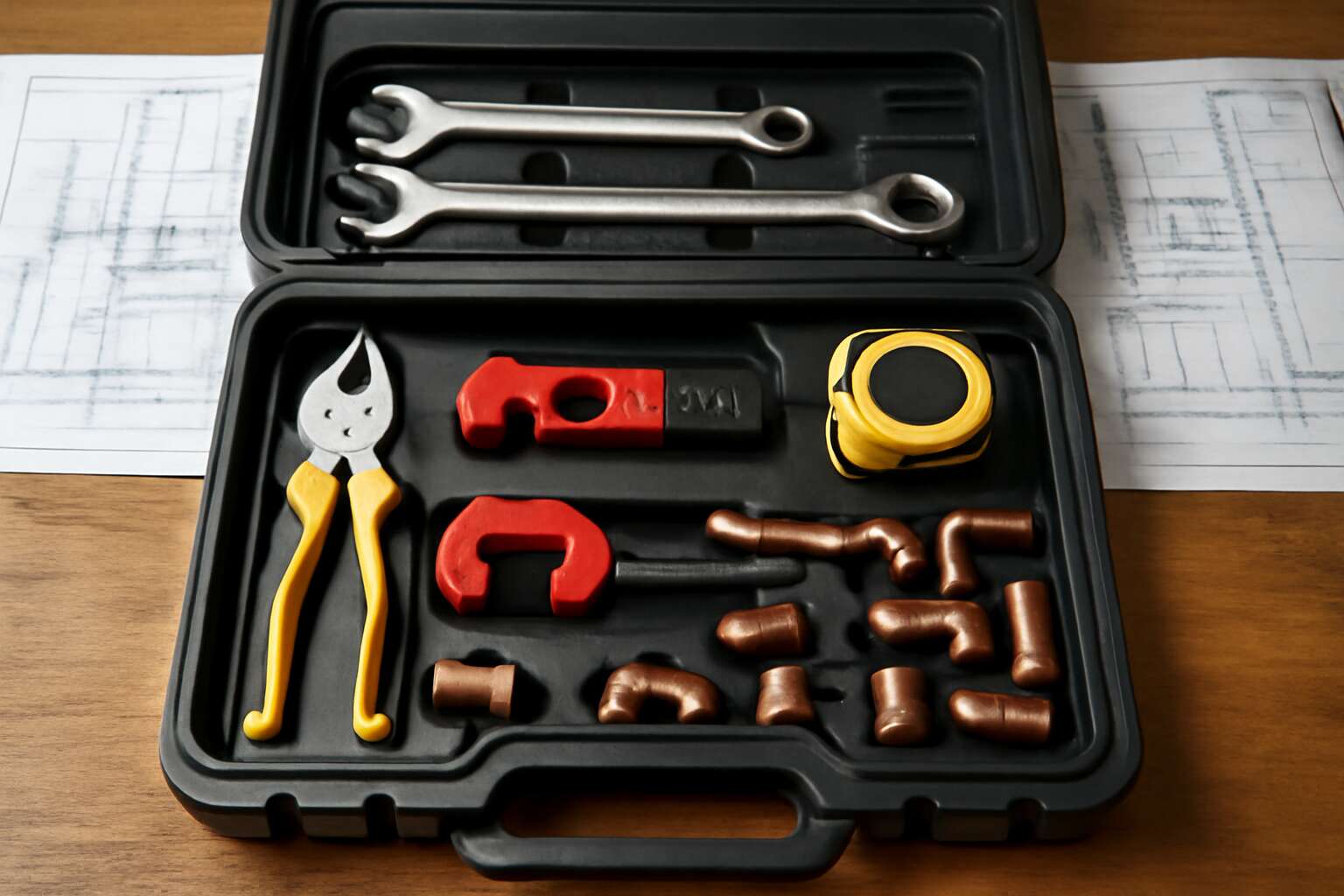
Choosing the Right Plumber Toolbox
Key features to look for in a plumber toolbox
Across South Africa, a recent industry survey suggests technicians spend up to 20% of the day hunting for tools. That is time wasted, energy drained. The right plumber tool box turns that stat into a story of momentum and certainty.
Weighing the options, I seek a shell that resists heat and dust, with modular trays that keep wrenches and spanners in their lanes, and a latch that won’t surrender at the last spark.
- Durable shell
- Modular compartments
- Water and dust seal
- Comfortable, non-slip handle
- Lock-ready lid
From Joburg to Cape Town, the plumber tool box travels with me, balancing weight and reach, guarding my gear against heat, grit, and gravity. In the end, it’s more than storage; it’s a conductor for craft, steering the flow of a day’s work.
Size and capacity considerations for multiple tools
Across South Africa, technicians waste up to 20% of the day hunting for tools. That loss isn’t just frustration; it drains momentum and inflates job time. When selecting a plumber tool box, size becomes a silent partner in productivity. A box that can cradle a full set of essentials—wrenches, cutters, sealing tapes, gauges—sends a message of readiness and professionalism.
Size should match the day’s rhythm—the truck, the site, the stairs. A site-ready box that swallows multiple wrenches, cutters, tapes, and spare parts without turning into a burden keeps the flow intact. Portability matters as much as capacity; a comfortable handle and a smart latch save minutes in transit.
Ultimately, the right box respects your craft: it travels light but carries enough to handle diverse calls, from under-sink repairs to pipe upgrades, keeping the work steady from Joburg to Cape Town.
Portability and weight management
Momentum wins jobs, yet a cluttered, heavy toolbox can stall a day. Across South Africa, tradies lose up to 20% of productive time chasing tools between sites, turning a scramble. With a thoughtful plumber tool box, you set the tempo.
Portability and weight management hinge on design that respects movement. I look for boxes that refuse to tip the scales yet swallow the essentials for a day’s calls. Here are portability hallmarks:
- Lightweight, impact-resistant shell that stands up to SA sun and dust
- Ergonomic carry handle and balanced grip for stairs and pits
- Smart latches that stay shut until you want them opened
When a job travels from Joburg heat to Cape Town rain, the right box travels with you, not against you. A well-chosen plumber tool box travels light but carries what you need for under-sink repairs and pipe upgrades, keeping the day steady.
Security features: locks, latches, and closures
Across South Africa, tradies lose up to 20% of productive time chasing tools between sites — a daily scavenger hunt that sharpens the edge of every deadline. In this climate, a plumber tool box that locks tight and travels light becomes a contractor’s secret weapon.
Security features matter more than flash chrome. Look for locks that resist tampering, latches that stay shut through bumps, and closures that shrug off dust and rain. The right box travels with you, not against you, guarding spanners, seals, and secrets alike.
- Padlock-ready hasps and reinforced closures
- Weather-sealed compartments to keep moisture out
- Tamper-evident latches that betray meddling
- Concealed hinges and rugged construction to deter prying
With those features, your toolbox becomes a moving fortress from Joburg heat to Cape Town rain — secure, calm, and ready to roll.
Budgeting for a pro-grade toolbox
Time is the one currency that never returns, especially on a busy SA site. Tradies report that every hour spent chasing the right tool cuts into deadlines and margins. Budgeting for a pro-grade plumber tool box isn’t about trimming corners; it’s about buying certainty—fewer trips, quicker fixes, and a box that outlasts the job. Think long-term, not just the sticker price, and you’ll invest in reliability that pays for itself with every turn of the wrench!
- Warranty that covers parts and wear
- Durable materials and reinforced corners
- Expandable compartments for future tooling
Budgeting, seen through a craftsman’s lens, is less about price and more about alignment with work tempo and accountability. A robust box may cost more upfront, yet the savings come in downtime avoided and tools that finally stay put on site.
Durable Materials and Build Quality
Common toolbox materials and their advantages
Durability is the quiet engine behind every trustworthy tool kit. In South Africa, a recent field snapshot shows 72% of pros report longer life and fewer repairs when their boxes shrug off weather and wear. A plumber tool box that’s built to endure means fewer interruptions and more momentum.
Common toolbox materials stand guard against rust, impact, and fatigue across dusty workshops and rainy quarries alike.
- Steel: tough, corrosion-resistant variants offer lifetime endurance.
- Aluminum: feather-light for hauling between sites without sacrificing strength.
- High-impact plastic: absorbs shocks and resists cracking in harsh environments.
- Polyethylene or composite: weatherproof shells that seal out moisture.
A well-made plumber tool box blends reinforced corners, riveted seams, and secure latches into a single orchestra of reliability. When the build is right, tools ride safe, weather stays out, and your day stays on beat.
Durability tests: impact resistance and drop tests
In South Africa’s dust and drizzle, a plumber tool box is more than a container—it’s a lifeline. A field snapshot shows 72% of pros report longer life and fewer repairs when gear shrugs off weather and wear. Durability is the quiet engine behind a reliable toolkit, turning rough days into steady progress and fewer trips back to the truck.
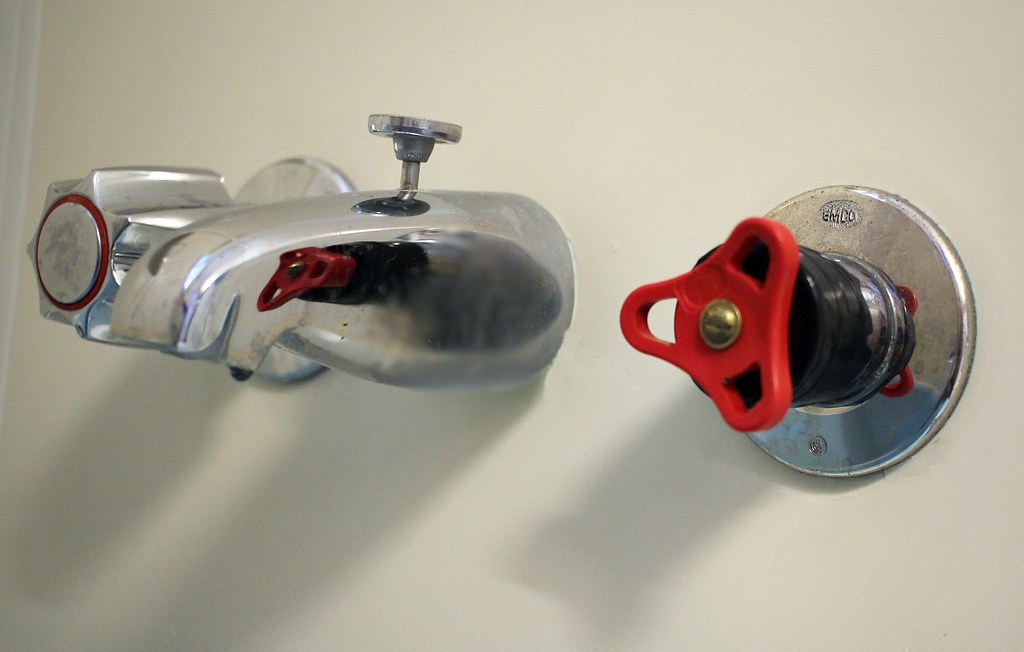
Durability tests like impact resistance and drop tests are how makers prove that promise. They mimic real knocks from clattering sites and the moment a lid slips on a concrete floor.
- Drop test from waist height onto concrete to simulate a fall on site.
- Impact resistance by applying controlled blows to lids and corners.
- Vibration and fatigue tests that emulate rough road transport and repeated handling.
Pass these tests, and what you carry in your hands carries less risk—tools stay secure, weather stays out, and your day stays on beat. That plumber tool box becomes a trusted partner on the job.
Weather sealing and corrosion resistance for wet environments
In South Africa’s dust and drizzle, a plumber tool box is more than metal and hinges—it’s a lifeline! About 72% of pros say weather-tough gear lasts longer and reduces repairs. Durable materials, crafted with care, turn rough days into steady progress and fewer detours to the truck.
Durable materials and build quality begin with a shell that resists the elements: corrosion-resistant steel, reinforced corners, and resilient plastics. Weather sealing and rust resistance keep out moisture, while robust internal hardware safeguards blades and bits. The result is a plumber tool box that stays true, even when rained-on and dust-choked.
Key elements include:
- Marine-grade hardware and seals
- Powder-coated steel or anodized aluminum body
- Impact-resistant latches that stay secure
With these virtues, the plumber tool box becomes not just storage but a trusted partner on wet, demanding sites.
Organization, Storage, and Accessibility
Configuring compartments for wrenches, pliers, and fittings
Across South Africa, a recent field survey found that 62% of plumbing delays trace back to tool chaos. A well-ordered plumber tool box becomes a quiet partner, guiding wrenches, pliers, and fittings into their own corners. Thoughtful organization reduces search time and fatigue, letting the craft speak for itself.
Storage design should cradle each category without forcing compromise. Configuring compartments for wrenches, pliers, and fittings means not just stacking, but mentoring tools into purpose-built niches.
- Dedicated wrench tray with shallow slots
- Pliers nest under a raised lip for quick grip
- Fittings bin with clear, labeled dividers
Accessibility blooms when compartments are adjustable, labels legible in crouched positions, and the box maintains balance to prevent tip-overs. The plumber tool box thrives on intuitive reach, a quiet confidence that turns a chaotic morning into a controlled, efficient rhythm.
Using inserts and dividers for tools and parts
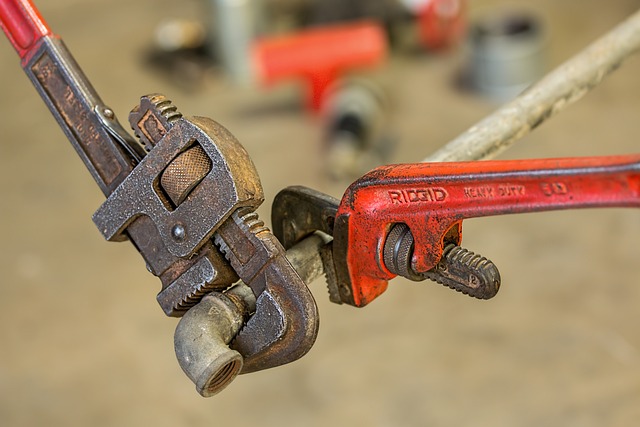
Organization isn’t just tidiness; it’s a workflow amplifier. In a well-designed plumber tool box, inserts and dividers carve dedicated pews for each category—wrenches in shallow slots, pliers tucked under a raised lip for a quick grip, and fittings settled into clear, labeled bins. The result is a silent map that guides every move.
Storage should cradle each category without forcing compromise. Adjustable compartments let the same box swivel between copper, PVC, and brass assortments while remaining balanced on a cluttered bench. The tool box breathes with the tradesman, turning search time into second nature.
- clear acrylic dividers
- slotted foam inserts
- removable labeled bins
Accessibility blooms when compartments are legible from crouched positions and easy to reconfigure. A content-safe layout and intuitive reach transform a rushed morning into a controlled rhythm, where the plumber tool box becomes a trusted, almost invisible partner.
Labeling and color-coding for quick access
On a crowded SA job site, seconds matter. The plumber tool box becomes a silent partner, turning chaos into choreography—every wrench and fitting lands in its own story, guiding every move.
Storage should cradle each category without compromise. Adjustable compartments let the same box swivel between copper, PVC, and brass assortments while staying balanced on a cluttered bench. The tool box breathes with the tradesperson, turning search time into second nature.
Accessibility blooms when labeling is legible from a crouched stance and color-coding speeds recognition. This is what a plumber tool box should feel like.
- Clear, bold labels on bins
- Color-coded tabs for tool families
- Reconfigurable compartments that read at a glance
With a thoughtful layout, the toolbox becomes a trusted partner that moves with you through every service call.
Mobile vs stationary storage setups
Across SA on-call sites, seconds matter—and a recent trades survey finds tradespeople waste up to 12 minutes per job hunting for gear. Organization becomes a superpower in a plumber tool box, turning chaos into choreography with each wrench settled into its orbit.
Storage should cradle each category without compromise. Adjustable compartments let the box swivel between copper, PVC, and brass assortments while staying balanced on a cluttered bench. The tool box breathes with the tradesperson, turning search time into second nature even on damp sites.
Accessibility blooms when labels are legible from a crouched stance and color-coded tabs speed recognition. Mobile setups glide on lockable casters for the road, while stationary layouts offer generous drawers in the workshop, a plumber tool box always ready.
- Fold-out trays for rapid access
- Secure latches that survive a bump
- Balanced weight distribution to prevent tipping
Optimizing workflow: tool retrieval speed
On South African on-call sites, seconds matter, and the clock gnaws at a tradesman’s calm. I pace the threshold, listening to the metal sigh. The plumber tool box becomes a darkly elegant compass, guiding each move as wrenches slide into their orbits and threads click into balance. Chaos dissolves into choreography when order takes hold.
Inside, adjustable compartments bend like a blade in moonlight, cradling copper, PVC, and brass without bias. The plumber tool box sways, and the bench remains a stage for precision. A thoughtful interior keeps every tool in reach while moisture does not claim its due, even on damp slabs.
Accessibility blooms when labels read from a crouched stance and color-coded tabs blaze with recognition. Mobile setups glide on lockable casters for the road, while stationary layouts offer generous drawers in the workshop, a plumber tool box always ready.
Compact vs full-size toolbox for tight spaces
Organisation is the unsung hero on South African job sites! The plumber tool box becomes a compact command center where copper, PVC, and brass find their places, not chaos. With every tool in its home, a day that begins in mayhem ends in competence.
Storage must endure damp slabs and road dust from Cape Town to Clarens. A well-chosen plumber tool box protects its payload with a weather-ready shell and a layout that keeps essentials in reach, so improvisation stays optional and the job pace stays steady.
Accessibility offers a choice between compact and full-size, depending on the mission. In tight spaces, a compact model slides into corners and disappears on a van floor; for the workshop, a full-size box carries longer tools and bigger fittings.
- Compact: slim profile, lockable lid, light on the shoulder
- Full-size: expansive capacity, stable on wheels, ready for bench work
Maintenance, Care, and Longevity
Routine maintenance checklist for toolbox
A well-kept plumber tool box trims downtime and boosts job confidence. ‘If you can’t find it, you can’t fix it’—a hardy truth that starts with routine care. I’ve learned the hard way that a tidy toolbox is half the job; a quick wipe, a dry rack, and your kit stays ready for the next rush.
- After every job, wipe tools dry and inspect for moisture that invites rust.
- Tighten loose latches and test the lock to prevent surprises on site.
- Lightly lubricate hinges and sliders to keep movements silky.
- Reorganize with inserts to separate fittings, reducers, and small parts.
Longevity follows a steady rhythm: keep it dry, keep it tidy, and keep the parts moving. Choose durable inserts, retire damaged tools promptly, and never overload the box. In this way, it remains a trusted ally for years of demanding work.
Cleaning, drying, and odor prevention
A clean plumber tool box moves faster under pressure. On South Africa sites, that edge shows in every rush. “A clean toolbox is a fast toolbox,” veterans say, and the habit starts with simple care.
Cleaning, drying, and odor control are not chores; they’re rust insurance and air quality. Moisture invites rust and stale smells; bright, dry interiors help fittings and blades stay ready; tidy compartments minimize odor carry.
Longevity comes from steady care: dry air, tidy order, and durable inserts. A toolbox kept in good condition earns its keep for years in demanding work across South Africa.
Replacing worn-out liners, hinges, and handles
Maintenance is the quiet engine behind every reliable tradesperson’s kit. A well-tended plumber tool box keeps pace with South Africa’s urgent calls, seldom missing a beat when a leak demands a fast fix. Care isn’t cosmetic; it’s resilience, a ritual that guards performance and long-term value, turning ordinary tools into trusted partners in the field.
Replacing worn-out liners, hinges, and handles is not glamorous, but it locks in durability and smooth operation. Consider these essential upgrades:
- liner material and fit
- reinforced hinges
- ergonomic handles
- secure closures
New components restore balance, seal against moisture, and keep sections aligning under pressure.
Longevity comes from steady care: dry storage, orderly compartments, and timely part replacements. A plumber tool box that stays in good condition earns trust on every job, from municipal workshops to remote sites across South Africa.
Long-term storage tips and seasonal considerations
Maintenance is the quiet engine behind a plumber tool box’s reliability. A well-tended chest resists the corrosion of long shifts, the humidity of coastal air, and the grit of remote sites. When the toolbox stays organized and dry, the operator speaks with quiet confidence, even when a leak demands a fast fix.
Long-term storage hinges on keeping materials dry, compartments orderly, and parts ready for action. To support the plumber tool box’s stamina, consider the following approaches:
- Dry, ventilated storage environment
- Corrosion-resistant liners and seals
- Distinct compartments and dividers for quick access
- Seasonal inspection of closures and moisture barriers
These choices seal out moisture, maintain balance under load, and extend service life across municipal workshops to remote job sites.
Seasonal considerations in South Africa—heavy summer rains, dusty winds on rural builds—reward regular conditioning. In dry seasons, keep the box off wet floors; in wet seasons, favor sealed lids and desiccants to chase condensation. A well-kept kit earns trust wherever work calls.



0 Comments