Signs You Need a Professional Plumber
Persistent Dripping Faucets and Leaky Pipes
That rhythmic drip, drip, drip from your kitchen tap is not normal. In South African homes, water is precious, and a persistent dripping faucet can waste over 20,000 litres annually. You might think a new washer solves it, but when the drip continues after your DIY attempts, you need a plumber 2. Leaky pipes behind walls or under concrete slabs present a stealthier menace. They cause progressive structural damage and inflate your municipal bill. Ignoring them turns a minor annoyance into an expensive problem.
Signs that your handyman days are over:
- The faucet drip accelerates when you turn the handle, instead of stopping.
- Water pressure fluctuates wildly between different taps.
- You hear a faint hissing sound near your geyser or pipe junctions.
- Damp patches appear on ceilings or walls without any visible source.
Calling a professional plumber 2 prevents massive repair costs.
Slow Draining Sinks or Bathtubs
I know the frustration of watching your bathwater recede at a crawl. When soap scum and hair are the usual suspects, a store-bought drain cleaner seems logical. Yet if slow drainage persists and a gurgling sound echoes from the plughole, the blockage sits deeper than any chemical can reach.
Consider these signs:
- Water rises in the shower tray while you stand in it.
- Every sink in the house drains sluggishly, not just one.
- A foul odour seeps from the overflow outlet.
That last point deserves attention! A recurring smell means organic matter has colonised your pipes. A professional plumber 2 uses industrial equipment to clear the line fully. Waiting for the backup to resolve itself risks wastewater spilling into your home.
Unexplained Increase in Water Bills
When your monthly water statement arrives and the total has climbed without any extra baths or garden watering, take notice. I have watched rural households lose a third of their monthly supply to silent seepage behind a wall or beneath a concrete slab. That invisible flow inflates your bill week after week.
Consider these warning signs:
- The meter spins even when every tap is closed.
- Damp patches appear on floors or ceilings.
- Your geyser runs constantly.
An unexplained increase in water bills seldom repairs itself. Calling a plumber 2 to trace the line and locate the breach prevents a small leak from becoming a flooded foundation. Only a plumber 2 has the acoustic equipment to detect a pipe buried beneath a slab. The callout fee is almost always lower than the wasted water.
Rusty or Discolored Water from Taps
A single glass of brown water can undo years of hospitality in seconds! Rusty or discolored water from taps signals corrosion inside your pipes or sediment resting in your geyser. Municipal supply issues can cause it too, but if your neighbour’s water runs clear, the fault lies within your property line.
Consider these signs:
- The water clears after running for a minute, which points to internal rust.
- Every tap runs brown, which suggests a compromised main line.
- Hot water discolours while cold runs clear, which implicates the geyser.
I have watched homeowners shrug off brown water because it carries no smell. A plumber 2 can assess the corrosion and replace affected sections. Only a plumber 2 can determine whether the issue sits in the geyser, the main line, or the municipal connection. Brown water indicates ongoing degradation. The longer you wait, the more extensive the damage becomes.
Top Plumbing Emergencies and How to Handle Them
Burst Pipes and Severe Water Leaks
In South Africa, a ruptured main line can discharge over a thousand litres every hour, turning a manageable afternoon into a submerged crisis. Burst pipes often strike without warning. The first minutes matter, and I have seen homeowners waste them trying to find the necessary tools.
Immediately close the property’s main stopcock. This simple action halts the deluge. Then, drain the system by opening cold taps. Photograph the damage for insurance records before clearing valuables from the flooded zone.
- Locate the mains shutoff valve near the driveway or boundary, often under a metal cover.
- Switch off electrics at the distribution board if water threatens any sockets or appliances.
Severe leaks from concealed plumbing demand rapid intervention. A temporary patch never replaces a proper fix. That is exactly when you need a reliable plumber 2, someone who can trace the source and restore pipe integrity without delay. Your walls, floors, and electrical safety depend on that decision.
Blocked Toilets Leading to Overflow
A blocked toilet is not a gradual inconvenience. It announces itself with rising water and increasing pressure. In South African homes, where municipal water pressure fluctuates wildly, overflow can happen within seconds of the flush. The water spilling across your bathroom floor carries contamination and the risk of structural damage.
Once the bowl reaches its limit, every additional flush compounds the problem. I have seen overflow soak carpets and creep toward electrical points in minutes. Soap residue, foreign objects, and hard water scale often create the blockage deeper in the pipe, beyond the reach of a plunger.
This is precisely when you need a plumber 2, one who can diagnose whether the issue lies in the toilet mechanism or the main sewer line. A professional will clear the obstruction and inspect the surrounding pipework.
Water Heater Failures and No Hot Water
Nothing tests household resilience quite like a cold shower on a winter morning. In Johannesburg, where temperatures routinely drop below five degrees, a water heater failure disrupts the entire daily rhythm. I have crawled into countless attics to find fried elements, stuck thermostats, or weeping pressure valves.
Load shedding compounds the problem. Repeated power interruptions weaken heating elements, while mineral-rich water across Gauteng accelerates scale buildup. The homeowner faces several possible culprits when the hot water vanishes:
- Burned out heating elements caused by calcium deposits
- Faulty thermostats that stop regulating temperature
- Worn pressure relief valves leaking constantly
- Sediment buildup at the bottom of the tank
A plumber 2 assesses each variable before recommending repair or replacement. Sometimes the fix is straightforward. Other times the tank’s integrity has failed completely. Without diagnostic expertise, homeowners often replace perfectly serviceable units.
Gas Leaks or Sewer System Backups
A gas leak doesn’t announce itself with drama. It seeps. The odour is added deliberately, a warning we installed because the gas itself is silent and patient. In Johannesburg homes, I have stood in kitchens where a faulty geyser connection or aging flexible hose was leaking methane for weeks. The occupants described headaches, fatigue, a vague unease. They did not know the house was slowly poisoning them.
Sewer backups are the opposite. They are loud, visceral, and impossible to ignore. Wastewater rising through a floor drain confronts you with everything you prefer not to examine.
When either emergency strikes, a plumber 2 performs the same first task: isolate the source before addressing the symptom. The protocol is simple, but the discipline is not.
- Turn off the gas supply at the meter immediately if you smell mercaptan
- Evacuate the property and avoid switching any electrical devices
- For sewer backups, stop all water use and locate the cleanout access point
The distinction between urgency and panic determines whether you protect the structure or lose it entirely.
Emergency Shut-Off Valve and Quick Response Steps
Every Johannesburg homeowner should know the exact location of their emergency shut off valve before they need it. In my years on the job, most people discover this fixture during a crisis, usually while standing in water. The valve is typically near the water meter, often at the boundary of the property. Trace the pipework, lift the cover, and familiarise yourself with the handle now.
The response sequence matters more than speed alone. Shut the water off, then open a cold tap to drain residual pressure. This simple act prevents water hammer from damaging internal pipework. The order of operations changes depending on what you are facing:
- Check the shut off valve for corrosion before turning it
- Photograph the meter reading to document water loss
- Call a plumber 2 before attempting any repair yourself
An untested valve may seize after years of disuse. That is why a quiet afternoon inspection beats a frantic emergency. A calm, methodical approach preserves both the structure and your peace of mind.
Choosing the Right Plumbing Service for Your Home
Licensing, Insurance, and Certification Checks
An unverified plumber can turn a small leak into a structural claim. In South Africa, this happens more often than you think, and the cause is almost always skipped paperwork. I always tell homeowners to slow down, even when water is pooling on the floor.
Choosing a service starts with three non-negotiable checks. Licensing proves the plumber meets national regulations. Insurance covers any damage to your property from their work. Certification confirms they stay current with safety standards. When you need a plumber 2, these documents separate a temporary fix from a permanent solution.
- Validate their license through the Plumbing Industry Registration Board online
- Demand a certificate of insurance before they touch your pipes
- Ask for gas or water compliance certificates specific to your installation
Reading Customer Reviews and Asking for References
A customer review tells you how a plumber behaves after the invoice is paid. In South African suburbs, word of mouth carries weight, but online reviews reveal patterns. When you search for a plumber 2, read the recent reviews, not just the five star highlights. Look for comments about punctuality, cleanliness, and whether the plumber explained the problem before fixing it.
References give you a direct line to a previous client. Ask for contact details of two recent jobs. Then call those people.
- Was the quoted price the final price?
- Did they leave the workspace tidy?
- Would you hire them again?
Many homeowners skip this step out of embarrassment. A plumber with proper references shows they have nothing to hide. Reviews and references together preview the service you will receive, and the process takes about ten minutes.
Comparing Quotes and Service Guarantees
The cheapest quote rarely stays cheap once the job begins. When you request pricing from a plumber 2, look at how the line items are structured. Some tradespeople list parts and labour separately, while others hide travel fees inside a single lump sum. That distinction reveals how your final bill will behave.
A service guarantee, in writing, carries more weight than a verbal promise. I suggest you ask the plumber directly whether repairs carry a warranty on workmanship and parts. In South African suburbs, weather and water pressure test even the best installation, so a clear guarantee protects you long after the invoice settles.
- Does the written quote specify exact brands?
- What happens if the same leak returns?
- Is the warranty transferable if you sell?
Compare these details alongside the totals to find an honest plumber 2.
Availability for Emergency Calls and 24/7 Support
Midnight in Johannesburg, a geyser bursts, and the only number you saved is for a plumber 2 who stops answering after six. Emergency support separates tradesmen from craftsmen. When a pipe gives way during loadshedding, the right plumbing service answers before you panic.

Consider how their call centre operates. Does a human pick up, or does an automated voice take your details? The best teams dispatch a vehicle within the hour, carrying common spares.
- After-hours rates stated before work begins.
- A live technician who stays on the line until arrival.
- Follow-up calls the next morning to confirm the repair held.
A plumber 2 who treats your emergency as their own is worth every rand.
Experience with Residential vs. Commercial Plumbing
Choosing a plumber 2 for your home feels different from hiring one for a commercial site. Residential work calls for understanding family routines and handling crises that feel personal. Commercial plumbing runs on schedules, regulations, and higher volumes.
A qualified technician might excel at both, but ask about their experience with your specific setting. A residential plumber knows how to navigate older Johannesburg houses with their quirks. A commercial specialist understands multi-storey drainage systems.
When you call, listen for questions about your daily water usage or property layout. That attention reveals whether they see you as a person or a job number. I have seen homeowners assume a big company handles everything, yet a solo professional often gives more care. Match the service to the space.
Upfront Pricing and Hidden Fee Transparency
A single vague quote can turn a simple repair into a financial headache. Upfront pricing means you know the total before work begins, not when the invoice lands in your inbox. Many homeowners only discover hidden charges after the fact, when negotiation is impossible!
Ask for a written breakdown before agreeing to anything. A trustworthy service will itemise labour, materials, and call-out fees without hesitation. Watch for common traps:
- after-hours surcharges added without notice
- charges for parts that were never mentioned
- disposal fees for old fittings
Plumber 2 builds its reputation on transparent quotes and honest communication. The price you hear on the phone should match the price on the final statement. That clarity lets you plan your budget and sleep at night.
Preventative Maintenance Tips to Avoid Costly Repairs
Regular Drain Cleaning to Prevent Blockages
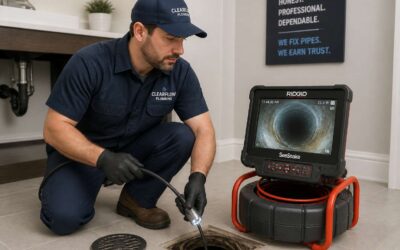
In South Africa, blocked drains cause over 25 percent of emergency plumbing visits. That waste can be stopped. Preventative maintenance tips to avoid costly repairs focus on what you pour into your sink and shower. Regular drain cleaning to prevent blockages means removing debris weekly and flushing pipes with hot water monthly. A plumber 2 can perform an annual camera inspection to locate cracks or tree root intrusion before they become severe. Use these habits:
- Use a mesh strainer in every basin to catch soap scum and food particles.
- Pour a cup of bicarbonate soda followed by vinegar into each drain, then wait fifteen minutes before running water.
- Schedule a professional descaling treatment every two years.
These actions extend your pipe lifespan and reduce sudden failures. If you notice gurgling sounds or damp spots near your floor, that is the moment to call a plumber 2 for a diagnostic assessment.
Inspecting Hoses and Connections for Wear
Most homeowners never inspect the braided hoses behind their washing machine until water has already soaked the floorboards. Those connections endure constant pressure, and the rubber degrades from the inside out. A slow weep often goes unnoticed for weeks.
Check for bulges, cracks, or rusted fittings every few months. Replace hoses made of ordinary rubber with stainless steel braided options. If the valve feels stiff or the nut shows corrosion, that is a signal to call a plumber 2 for a thorough inspection.
- Turn off the water supply before touching any connection.
- Look for dampness around the coupling points.
- Replace any hose older than five years.
Connections under the kitchen sink deserve the same attention. A pinhole leak can spray fine mist onto cabinet bases without visible pooling. I have seen cabinets rot from that hidden spray.
Scheduling Annual Water Heater Flushing and Checks
Hard water in many South African municipalities leaves mineral sediment in your geyser, settling at the base and reducing efficiency. This buildup forces the element to work harder, shortening its lifespan and inflating electricity bills. Scheduling an annual flush clears that sludge, and a professional plumber 2 can inspect the sacrificial anode rod, which corrodes to protect the tank. Without this yearly ritual, you risk premature failure and a cold shower.
Consider this routine:
- Flush the tank until the water runs clear.
- Test the pressure relief valve.
- Check the thermostat setting.
These checks take less than an hour and cost far less than replacing a burst geyser. Include this in your home maintenance calendar, and call plumber 2 for any signs of rust or unusual noises.
Understanding Plumbing Costs and Estimates
Flat Rate vs. Hourly Billing Models
Two pricing models dominate the plumbing industry, and the difference can change your final bill dramatically. Flat rate billing charges a fixed price for a specific job, regardless of how long it takes. Hourly billing ticks up with every minute your plumber 2 spends on site. That distinction matters more than most homeowners realise.
A flat rate quote covers labour, materials, and overhead in one figure. It rewards efficiency, because a skilled tradesperson finishes quickly and you still pay the agreed amount. Hourly models feel more transparent, but they create uncertainty. A simple job can stretch into an afternoon if unexpected complications surface.
Consider what drives each price:
- The complexity of the fault itself
- The age and condition of your pipework
- Travel distance and access constraints
Before you approve any work, ask which model applies. Your plumber 2 should explain what the estimate includes and what it does not.
Factors That Influence Service Pricing
Ask three plumbers to price the same blocked drain and you will get three different figures. That is not incompetence. Each estimate weighs a different combination of parts, labour, and risk.
Your plumber 2 must factor in fuel, insurance, and the wear on their van. A brass fitting costs three times more than a chrome one. Labour charges fluctuate with the time of day and the urgency in your voice when you call.
A detailed estimate should itemise your costs clearly:
- Parts and materials with specific brands
- Labour hours at the applicable rate
- Travel and access fees
Without that detail, you cannot compare one quote against another.
How to Get an Accurate Written Estimate
Most homeowners accept a verbal quote and later face unexpected charges. A written estimate protects both you and the tradesperson. When you call plumber 2, ask for a detailed breakdown before the first tool touches a pipe.
An accurate written estimate lists each part, the exact labour hours, and any access fees. It also specifies the warranty on workmanship. Without those line items, you cannot verify the price or compare it with other service providers.
- Request the estimate in writing before scheduling the job
- Confirm that the document includes a validity period
- Ask whether call-out fees apply to the final invoice
Contractors who hesitate to provide written terms often rely on vague promises. Insist on clarity from the start, and you will avoid disputes later.
Warranty Coverage and Follow-Up Service Policies
Plumbing costs sit in the details. The quoted figure for a repair often excludes the access fee, the sealant, or the extra hour spent isolating a valve. An estimate only becomes meaningful when it names each component and the labour attached to it. When you call plumber 2, ask precisely how the total was calculated.
Warranty coverage carries equal weight. A workmanship warranty that lasts six months means nothing if the contractor cannot explain what it covers. Confirm these points before signing:
- The exact duration of the parts warranty
- Whether labour is included in the coverage
- The procedure for a follow-up visit if the fault returns
Follow-up service policies vary between companies. A repeated fault may trigger a new invoice or a courtesy return. The difference between those outcomes determines whether you pay once for a repair or twice for the same failure.



0 Comments