Why the Plumbing Trade Is Wide Open for Beginners
The National Shortage of Skilled Plumbers
South African municipalities hold maintenance backlogs measured in months, not weeks. The plumbing trade, once viewed as a modest career, now draws serious attention because experienced professionals retire faster than replacement workers appear. Emigration removes another layer of skilled tradespeople each year. This mismatch favours anyone seeking plumber jobs without experience.
The shortage reshapes daily etiquette between homeowners and tradespeople. Clients wait weeks for a routine fix, then apologise for the inconvenience they might cause. The imbalance creates tangible openings:
- Employers fund structured apprenticeships for untrained recruits.
- Starting pay has climbed steadily as demand outstrips supply.
- Seasoned plumbers now welcome helpers who learn on the job.
Practical aptitude outweighs formal certificates in this climate. The industry stands ready to train willing newcomers.
How On-the-Job Training Replaces Prior Experience
Plumber jobs without experience are not a fantasy in South Africa. The trade now favours practical aptitude over formal credentials. A newcomer who can measure, cut, and listen often outshines a candidate with a formal certificate but no hands-on instinct.
On-the-job training is the real classroom. You start by carrying tools, watching pipework, and learning the pace of a worksite. Senior plumbers teach by example. They show you how to sweat a joint, diagnose a blockage, and respect water pressure. Within months, you handle routine tasks yourself.
Employers prefer trainable workers over experienced ones who have picked up bad habits. Every day on site becomes a lesson. That is how the industry replaces prior experience with lived practice.
Entry-Level Roles That Require Zero Background
The plumbing trade in South Africa has become one of the least guarded professional doors for newcomers. While other industries demand a three year degree and a portfolio before they even glance at your CV, the plumbing sector simply asks if you are willing to start at the bottom. This reality creates a landscape where plumber jobs without experience are not only available, they are the standard entry point for the vast majority of workers.
For the individual who has just completed matric or who is pivoting away from a stalled career path, the initial phase involves accepting the physical nature of the work. The industry is structured to absorb raw labour and refine it into skill, which is why many employers actively recruit general workers and then assess their potential on the job. The first week might involve digging trenches or lifting heavy pipes, but it is precisely this ground floor access that allows you to observe the trade from the inside out.
Most firms have a clear hierarchy that accommodates the uninitiated. You can find a role that suits your current physical and mental stamina:
– General worker or assistant: Handles materials, prepares workspaces, and cleans up.
– Apprentice plumber: Shadow a qualified artisan and learn the basics of pipe fitting.
– Van assistant: Travels with a senior plumber to residential and commercial calls, learning diagnostics in real time.
– Store or yard worker: Manages the inventory of fittings and tools, which teaches you the nomenclature of the trade.
Entering at these levels does not require a single day of formal study. What it does require is punctuality and a thick skin. The professionals you work with understand that you know nothing, and they expect you to be honest about that ignorance rather than pretending to have skills you lack. A beginner who admits they have never used a pipe wrench is far more valuable than one who fumbles silently through a task.
The social dynamics of a construction site or a plumbing van also favour the curious. Master plumbers often prefer to train a blank slate because they do not have to break previous habits that conflict with local building standards. This means that your lack of paperwork is a neutral factor, while your ability to absorb instructions and follow safety protocols is what determines your longevity in the role. The trade is a meritocracy of effort, not a gallery of certificates.
The Long-Term Earning Potential Without a Degree
While other trades guard their gates with certificates, plumbing compensates raw effort from the first day. In South Africa, a qualified plumber with five years in the field can earn more than many university graduates, and plumber jobs without experience are the starting point for that trajectory. The sector’s openness is structural: demand is constant, barriers are low, and the work cannot be outsourced or automated. Consider the earning path once you move beyond the assistant phase:
- Semi-skilled plumber after two years handles routine installations.
- Qualified plumber after four years commands higher day rates.
- Master plumber or independent contractor builds a client base.
Each step relies on demonstrated competence, not academic pedigree. The long-term earning potential without a degree is substantial, which is why the trade remains wide open for beginners who arrive on time and watch closely.
Step-by-Step Guide to Getting Hired With No Experience
Preparing a Trade-Focused Resume and Cover Letter
Your resume is the starting point. For plumber jobs without experience, it must speak to your willingness to learn and your practical aptitude. I have seen many applicants make the mistake of listing irrelevant retail history. Instead, focus on any hands-on work, even DIY projects. A cover letter gives you room to explain why you are choosing this trade now.
To build a trade-focused resume, follow a strict order:
- Lead with a direct objective about securing an apprenticeship.
- Group skills into categories like physical fitness and mechanical reasoning.
- List any tool exposure, from spanners to pipe cutters.
- Finish with a line about punctuality and reliability.
Your cover letter should be direct. For plumber jobs without experience, address the hiring manager by name if possible. State that you understand the physical demands and are ready to start at the bottom. That honesty often matters more than a polished history.
Finding Apprenticeship Programs That Pay You to Learn
A signed apprenticeship contract is the only credential that matters on day one. In South Africa, the Plumbing Industry Registration Board oversees recognised training routes, but the actual hiring happens at local firms. A master plumber with too many calls and one open apprentice slot will favour someone who arrives prepared over someone who simply applies online.
The sequence is simple:
1. Identify twenty plumbing companies in your province.
2. Visit each one in person, not via email.
3. Hand over your resume and ask about paid learnerships.
4. Return after two weeks to show genuine interest.
This direct approach works because most applicants never leave their phones. Plumber jobs without experience exist, but they are filled through face-to-face conversation. For anyone seeking plumber jobs without experience, the willingness to carry tools and clean up workspaces often earns the first look.
Using Staffing Agencies to Get Your Foot in the Door
In the waiting rooms of South African staffing agencies, names are written into ledgers that most plumbers never see. The agencies broker the first contact between a novice and a foreman who needs a spare pair of hands. For plumber jobs without experience, this is often the fastest route into the trade.

The process is direct. I have watched candidates register with three agencies, ask for the consultant who handles construction and maintenance contracts, and hand over a resume and ID copy. The agency takes its fee from the employer, never from the worker. Arriving with steel-toed boots already on tends to earn a second glance.
Some agencies run short pre-employment assessments. Others hold lists of plumber jobs without experience that never reach public advertisement. Within a week, a call may come for a two-day trial on a residential project. That trial is the real interview. The consultant watches, and your file moves to the top of the stack.
What Licensing and Background Checks Actually Matter
The search for plumber jobs without experience follows a straighter path than most people assume. Your first step is administrative. Get a certified copy of your ID and apply for a South African Police Service clearance certificate. Small contractors ask for these before they allow you near a customer’s home. Next, buy a basic pipe wrench and a spirit level. A full toolkit is not required on day one.
For plumber jobs without experience, licensing is rarely the obstacle. In South Africa, municipal bylaws restrict certain types of plumbing work to registered plumbers. But an apprentice or helper works under supervision. The employer carries the legal responsibility. Background checks matter more than qualifications. A clean criminal record is the silent currency of trust in this trade. Contractors verify references. They call previous employers. They want proof that you are reliable enough to enter a home.
How to Pass a Pre-Employment Drug Screening
Plumber jobs without experience often come down to two hurdles: the interview and the drug test. The interview is straightforward. Show up early, wear clean boots, and talk about your willingness to learn! Employers expect nervousness. They want someone who listens.
Then comes the pre-employment drug screening. This is where many hopefuls stumble. Most contractors use urine tests. They look for cannabis, methamphetamine, and opiates. If you use any of these, stop at least two weeks before applying. Drink water, but don’t overdo it! A diluted sample raises suspicion.
- Check the job posting for the test date.
- Arrive with your ID and no bag.
- Provide the sample directly.
- Wait for results, usually two days.
Passing that screen proves reliability. A clean test is often the final door.
The Day-to-Day Reality of a Plumbing Helper
The Physical Demands and Safety Protocols
The day begins before sunrise. A plumbing helper learns the weight of tools, the texture of rust on old pipes, the cold of a concrete floor at dawn. You carry, you hold, you fetch. Crawlspaces reveal years of neglect. Leaks demand immediate attention.
Physical demands are relentless:
- Knees ache from kneeling on unforgiving floors
- Hands crack from constant wrenching
- Back strain follows heavy lifting
Safety protocols are armor. Hard hats, gloves, steel-toed boots are non-negotiable. Hazards hide in electrical lines, toxic residues, and confined spaces with poor ventilation.
For anyone seeking plumber jobs without experience, this is the crucible. The work is honest, the body pays the tuition. But the trade remembers those who show up early and listen closely.
Tools You Will Learn to Master in Your First Month
The toolbox becomes an extension of your arm by the end of the first month. It starts as a heavy, clanking collection of mysteries, a metallic language you barely understand. But repetition teaches quickly. The pipe wrench learns the weight of your grip, the adjustable spanner finds its place in your palm before you even look down.
– The basin wrench, for those impossibly tight spaces behind sinks
– The auger, a steel snake that uncoils into drains to find the blockage
– The tubing cutter, which scores and snaps copper with a satisfying click
– The propane torch, whose blue flame you learn to respect and control
These tools become your vocabulary. The plumber calls for a tool, and your hand already knows which one to grab. This silent fluency is how you prove your worth. Mastery of the tools, not prior experience, is what secures plumber jobs without experience. The trade values a helper who can anticipate the next move, who hands over the right instrument before the request is even voiced. That instinct is forged in the first month of relentless practice.
How to Communicate with Lead Plumbers and Customers
Morning starts before the sun. You load the van, check the job list, and drive to the first call with the lead plumber. This is where plumber jobs without experience turn into practical knowledge. You handle leaking geysers in Randburg, blocked drains in Durbanville, and every call teaches something new.
Communication shapes your day. The lead plumber gives instructions once. You repeat them back, confirm the task, and ask questions when something is unclear. Customers need the same attention. Speak plainly, explain what you are doing, and listen to their concerns. A helper who communicates well becomes indispensable.
When dealing with customers:
- Introduce yourself and state your role
- Explain each step before you act
- Report back to the lead plumber promptly
This routine builds trust on both sides. Plumber jobs without experience demand a willingness to learn quickly, and clear communication makes that learning faster.
Common Mistakes New Helpers Make and How to Avoid Them
The day starts with a checklist that never ends. You carry fittings, hold pipes, and hand tools before the lead asks. That rhythm defines plumber jobs without experience. You learn to read the job site before touching anything.
New helpers make mistakes. They guess instead of asking. They hide small errors until they become big ones. They stand too close to the work or too far to be useful.
- Always confirm the exact fitting before cutting
- Keep your phone silent until break time
- Write down the van stock after every call
Each mistake costs time. The helpers who last learn to slow down. Their hands move faster once their minds catch up.
Turning an Entry-Level Job into a Lifetime Career
Transitioning from Helper to Licensed Journeyman
The true transformation begins when the physical grind of hauling pipes and fetching tools becomes a study in logic. A helper who watches, who notes the sequence of a drain installation or the reasoning behind a vent stack, starts to see the skeleton of the system beneath the walls. The leap from helper to journeyman is not a single event, but a slow accretion of knowledge, a silent accounting of every solved problem and every corrected mistake. You trade the fear of the unknown for the certainty of a well-turned fitting.
The shift in title carries a weight that a pay raise cannot describe. Your hands learn the torque of a spanner, your eyes learn to spot the subtle slope of a waste line. This is where the value of those initial plumber jobs without experience becomes evident, as the mundane tasks of an apprentice layer into the complex judgment required for a licensed professional. The qualification process in South Africa demands a logged portfolio of practical hours and a formal trade test, a gauntlet that filters out those who only wanted the wage from those who crave the mastery.
This path offers a peculiar kind of permanence, a solid ground in a shifting economy. The journey requires a deliberate approach, a commitment to the long game.
1. Register your apprenticeship with the relevant SETA and your employer.
2. Keep a meticulous logbook of all tasks, tools used, and hours worked.
3. Request rotation through different teams, from new installations to maintenance and repair.
4. Study the SANS 10252 and other wiring codes with the same attention you give your tools.
The journey is a methodical disassembly of your own ignorance. Every pipe you cut, every joint you solder, becomes a quiet testament to your evolution. The license is not just a certificate; it is a declaration that you have moved beyond the realm of the helper, solidifying a career that demands respect and offers a tangible legacy in copper and steel.
Specializing in High-Paying Niches Like Commercial or Pipefitting
Plumber jobs without experience place you on a construction site with no defined role beyond assisting. The ones who advance are those who notice how commercial systems differ from residential work. Pipefitting requires precision with steel and gas lines, while commercial plumbing demands knowledge of large-scale drainage and venting. Specializing in either niche starts with curiosity about why systems fail.
I learned early that asking a lead plumber about the rationale behind a particular pipe grade reveals the depth of the trade. Study the diagram of a pump room. These small inquiries build a mental catalogue that no one hands you. The physical labour stays the same, but the interpretation changes.
- Request assignments on industrial projects.
- Learn to identify different pipe materials by touch and sound.
This is how an entry-level position becomes a lifelong craft. The money follows the specialised skill, not the years served!
Continuing Education and Advanced Certifications
The most profound shift in a plumbing career happens when the physical work becomes secondary to the knowledge behind it. A helper who spends years doing the same tasks without questioning the mechanics will stagnate. Those who pursue formal education find that plumber jobs without experience evolve into roles with genuine authority.
Consider the difference between knowing how to solder a joint and understanding the thermodynamic principles that cause it to fail. The latter requires study. In South Africa, the path involves registering with the Plumbing Industry Registration Board and pursuing trade tests. These certifications do more than satisfy legal requirements. They change how you see the work.
The mind develops a framework for problem solving that no amount of physical repetition can provide:
1. Enrol in part-time theoretical classes while working full time.
2. Sit for the foundational plumbing trade test after accumulating the required hours.
3. Pursue specialised endorsements in gas fitting or solar water heating.
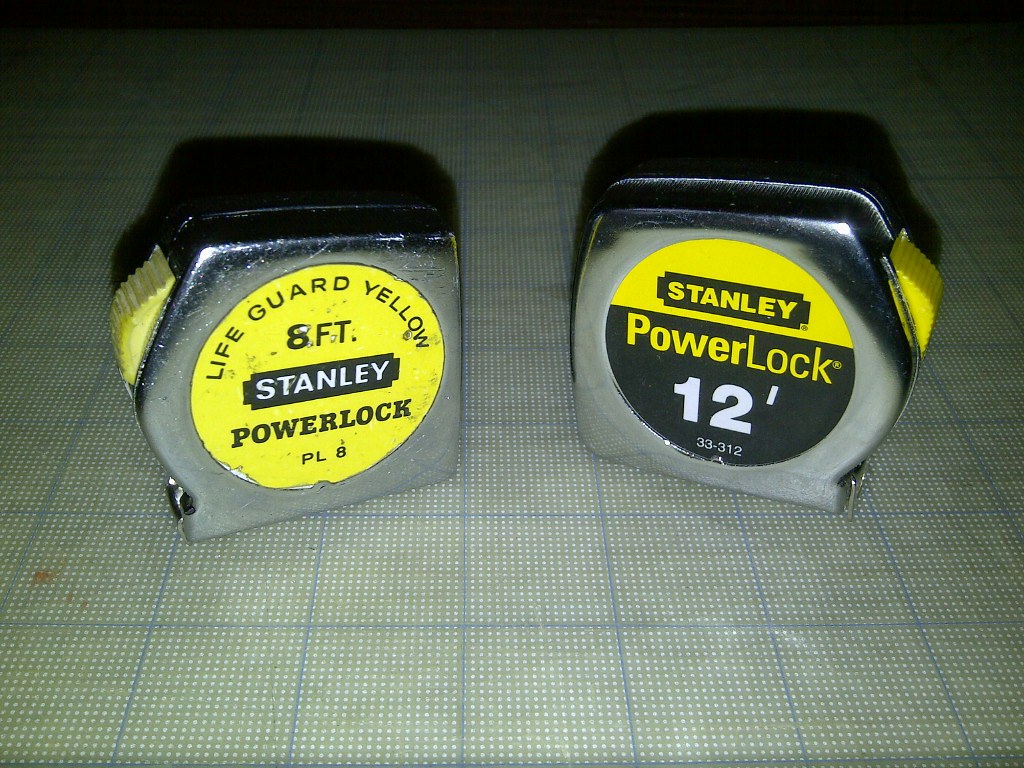
The process demands patience, but the intellectual growth compounds. What begins as a survival strategy becomes a discipline. You start reading pressure charts with the same ease you once read a tape measure. The certification is not a piece of paper. It is the evidence of a transformed mind.
Starting Your Own Plumbing Business Later
Here is a secret the industry does not advertise: many master plumbers started with plumber jobs without experience and zero ambition beyond a paycheck. The ones who end up running their own companies simply noticed that every leak, every blocked drain, and every grumpy client was a lesson in economics.
Running a plumbing business in South Africa means juggling quotes, VAT, and the occasional employee who calls in sick on a Monday. The trade itself is the easy part. The business side is where the real education begins. You learn to price work, manage suppliers, and smile when a customer asks for a discount.
- Your first van is a badge of honour.
- Your first invoice is a triumph.
- Your first repeat client is a small miracle.
That journey starts with a humble helper role. The gateway to running your own show is often a grimy first week on the tools.



0 Comments