
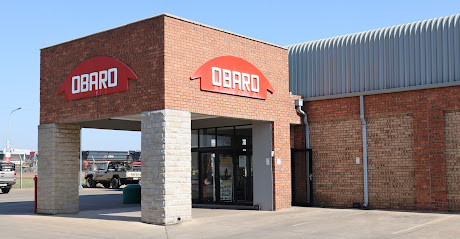
OBARO Middelburg is a Agricultural cooperative establishment in Middelburg, Mpumalanga, South Africa
Middelburg
Mpumalanga
South Africa
Sorry, no records were found. Please adjust your search criteria and try again.
Sorry, unable to load the Maps API.
Agricultural Cooperative Services in Middelburg, Mpumalanga
Agricultural cooperatives in Middelburg, Mpumalanga, function as community-owned organisations that aim to improve the livelihoods of smallholder and emerging farmers through collaborative effort. Positioned within a productive agricultural corridor, these cooperatives typically provide a range of services designed to support farming operations from planting to marketing. They are often structured to pool resources, share risks, and enable members to access systems and markets that would be challenging to reach as individuals.
Core services commonly offered by agricultural cooperatives in this region include input provision, technical guidance, and information exchange. Members can benefit from collective procurement of essential supplies such as seeds, fertilisers, and agrochemicals at negotiated prices, subject to the cooperative’s purchasing power and governance. Extension-style support, farm advisory services, and on-site demonstrations form another pillar of service, helping farmers to optimise crop choice, planting calendars, pest and disease management, and soil health in local conditions. Training programmes frequently cover safe handling of inputs, basic record-keeping, and best practices for sustainable farming, all of which contribute to improved yields and efficiency.
Storage and handling infrastructure is a notable feature for many co-ops in Mpumalanga, where seasonality and rainfall patterns influence post-harvest losses. Members may gain access to shared storage facilities, drying spaces, and simple processing or packaging capabilities. This enables better management of harvests, alignment with market demand, and reduction of waste. Logistics support, including cooperative-owned or coordinated transportation, helps link producers to regional buyers, wholesalers, and processor facilities. Efficient movement of crops to market is particularly important in Mpumalanga’s suppliers’ networks and can be a competitive advantage for compliant and timely deliveries.
Financial services are often embedded in the cooperative model, though scope varies. Some organisations provide a member savings scheme or a low-interest revolving fund to enable investment in inputs or infrastructure. In certain cases, microcredit or credit facilities are administered through partnerships with local financial institutions or development programmes. The emphasis is typically on responsible lending, transparent accounting, and adhering to governance standards that protect member interests. The aim is to smooth cash flow across the farming year and to enable strategic investments, rather than to create high-interest debt burdens.
Market access represents another critical service. By aggregating harvests, cooperatives can improve bargaining power and secure more favourable terms with buyers, processors, and retailers. Members may gain access to predetermined pricing tiers, quality standards guidance, and support with contract management. Where appropriate, cooperatives may assist with grade differentiation, packing specifications, and traceability practices that align with buyer requirements and regulatory expectations.
Practical considerations for prospective members include governance and participation. Co-operatives rely on democratic decision-making, with elected committees and regular general meetings. Members should expect transparent financial reporting, clear service agreements, and defined criteria for the allocation of benefits such as input discounts or storage access. Local conditions—such as climate, irrigation availability, road infrastructure, and proximity to markets—will influence which services are most valuable and how the cooperative prioritises investments. Additionally, regulatory considerations around agricultural inputs, land tenure, and environmental responsibilities shape day-to-day operations and long-term planning in Middelburg.
Overall, agricultural cooperative services in Middelburg, Mpumalanga, offer a practical pathway for farmers to access essential inputs, technical support, storage and logistics, financial services, and improved market access. The cooperative model emphasises shared advantage, risk reduction, and community uplift, which are well aligned with the needs of farming households in this South African region.