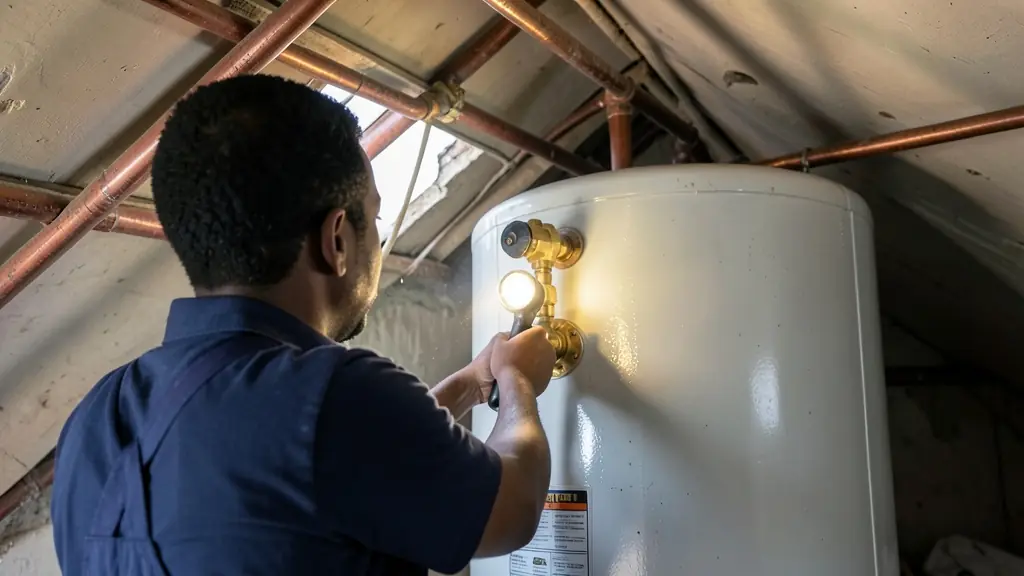
Most geyser problems come down to a handful of parts: the element, the thermostat, the pressure control valve and the tank itself. Choose the symptom and the troubleshooter explains what usually causes it, what you can safely check yourself and when it is time for a plumber.
Geyser Troubleshooter
Likely causes and what to do
UrgencyNot an emergency. Book a plumber within a day or two.
- Likely causes
- Tripped geyser breaker or isolator, a geyser timer or smart switch set off, a blown element or a failed thermostat.
- What you can safely check
- Check the geyser breaker at the DB board and any timer or isolator switch. Check whether load shedding or a prepaid meter ran out. Reset a tripped breaker once only.
- Call a plumber if
- The breaker trips again, or power is on and the water is still cold after a few hours: the element or thermostat needs testing.
Never open the element or thermostat cover with the power on, and never block or cap the overflow or safety valve pipes.
The parts of an electric geyser
- Element: the heater inside the tank, usually 2–4 kW.
- Thermostat: switches the element on and off at the set temperature, and has a safety cut-out.
- Pressure control valve: on the cold inlet, limits the pressure in the geyser (usually 400 or 600 kPa) and releases excess through the overflow.
- Temperature and pressure (T&P) valve: a safety valve on the tank that opens if the geyser gets too hot or the pressure too high.
- Vacuum breakers, drip tray and overflow pipes: required by SANS 10254 to protect the tank and the ceiling below it.
- Anode: a rod that corrodes instead of the tank. Replacing it every few years extends the geyser's life.
Repair or replace?
Elements, thermostats, valves and anodes are inexpensive parts, and replacing them is a routine geyser repair. A leaking tank cannot be repaired and the geyser must be replaced; this is when many homeowners consider a heat pump or solar geyser. Use the running cost calculator to compare the options.
Frequently asked questions
Does home insurance cover a burst geyser?
How long does a geyser last?
Get a free quote
Use the result in your quote request and a plumber or supplier in your area can price the job accurately. These services are related to this guide:
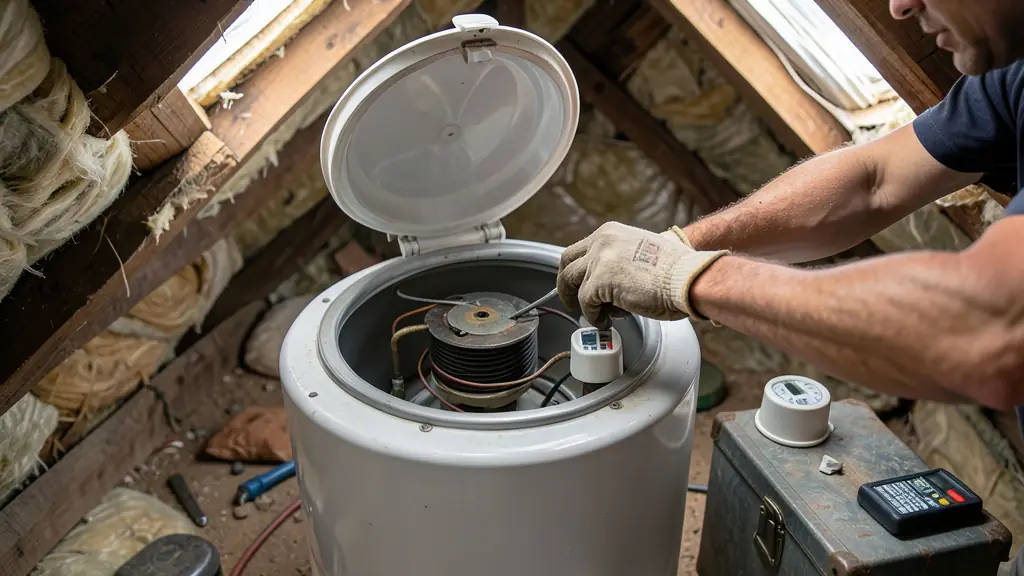 Geyser RepairsGet a free geyser repairs quote. One request reaches a local plumber for leaking geysers, no hot water, faulty elements, thermostats and pressure valves.
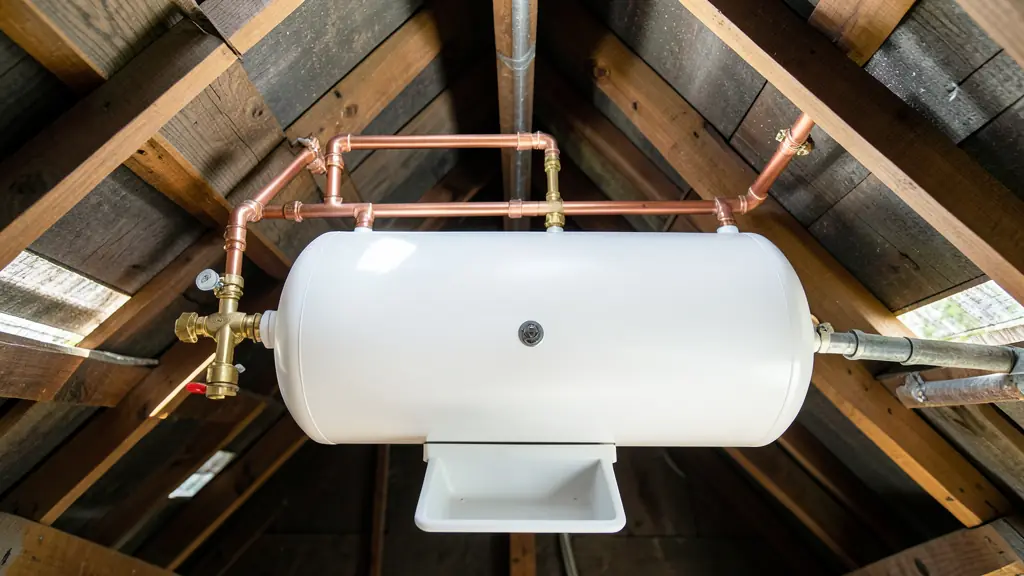 Geyser InstallationGet a free geyser installation quote in South Africa. One request reaches a local plumber for new or replacement geysers, valves, drip trays and a PIRB CoC.
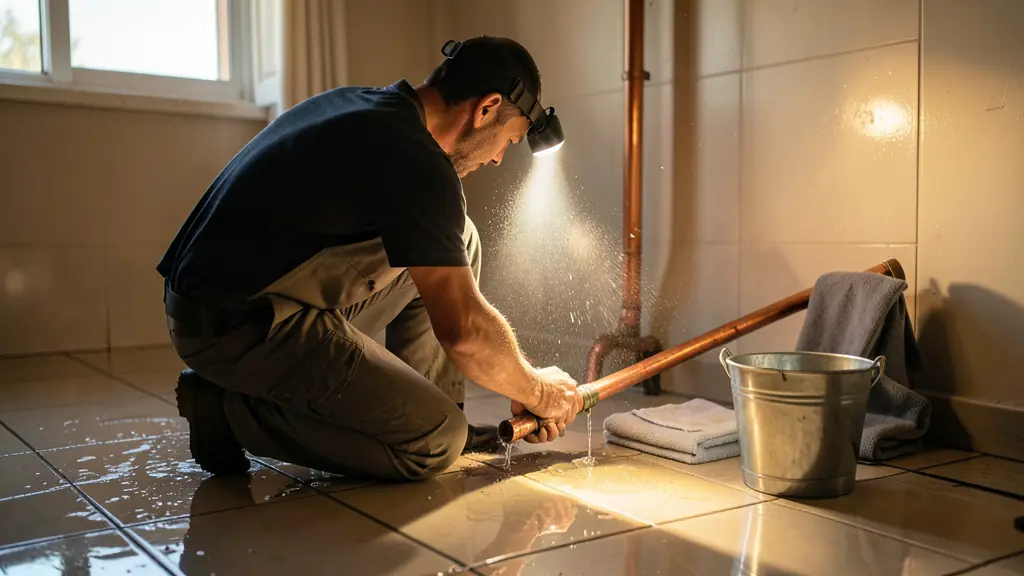 Emergency PlumberNeed an emergency plumber? Send one free request and a local plumber who handles urgent call-outs quotes you directly for burst pipes, leaks and blocked drains.
More plumbing tools
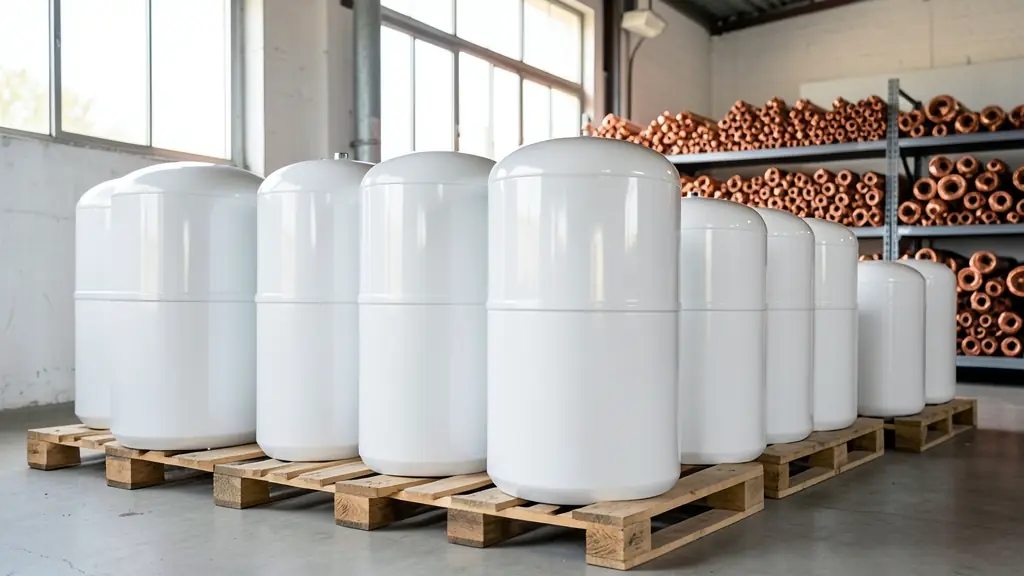 Geyser Size CalculatorFind the right geyser size for your household, how long it takes to reheat and how much energy your hot water uses.
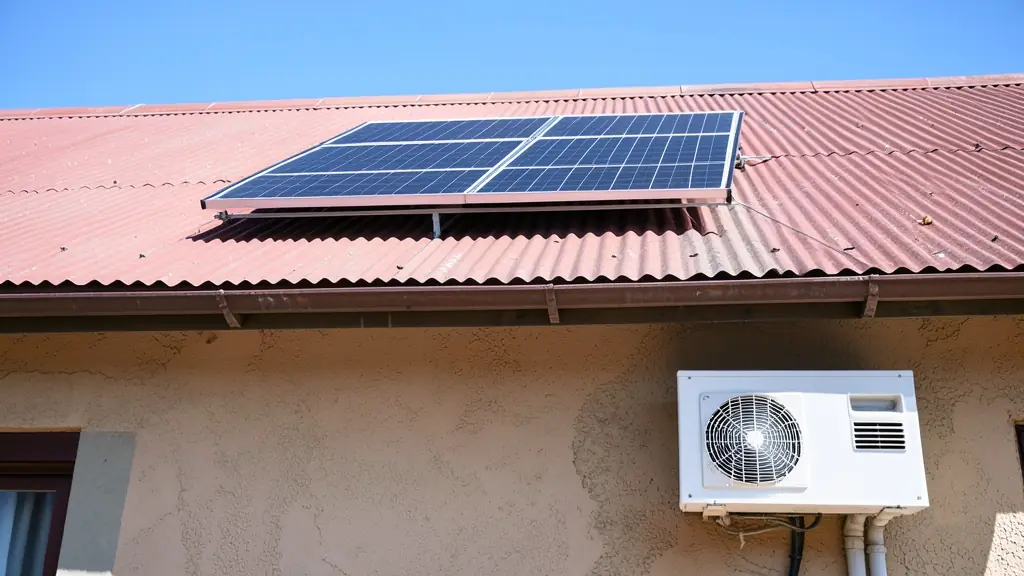 Geyser Electricity Cost CalculatorSee what your geyser costs each month and how much a lower thermostat, a heat pump or a solar geyser could save.
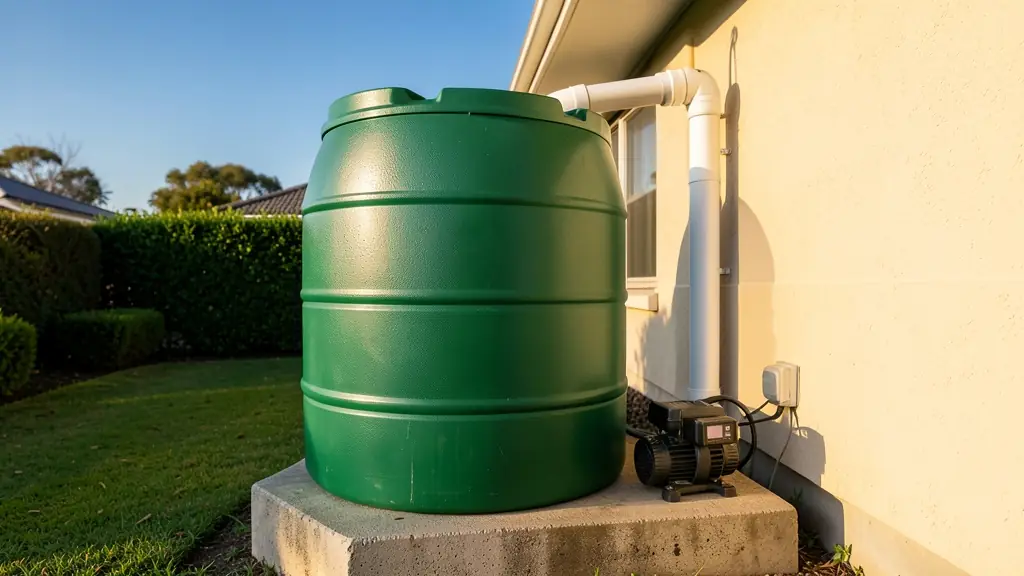 Water Tank Size CalculatorWork out how big a backup water tank you need for outages, and how much rainwater your roof can collect.
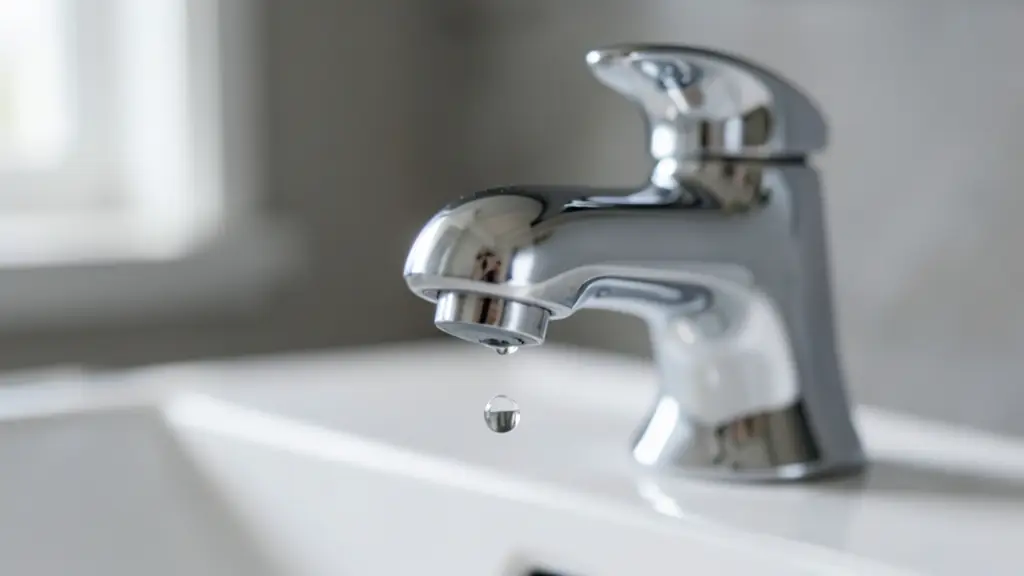 Water Leak Cost CalculatorFind out how much water and money a dripping tap, running toilet or hidden leak is costing you.
 Household Water Usage CalculatorEstimate your home's daily and monthly water use, the cost on your bill and where the biggest savings are.
 Drain Fall CalculatorWork out how much fall a drain pipe needs over its length, or check the gradient of an existing run.
 Pipe Size and Flow CalculatorCheck whether a pipe is big enough: water velocity, pressure loss per 10 metres and maximum flow for common pipe sizes.
 Pressure Pump Sizing CalculatorWork out the flow and head a booster pump needs, so you can compare pump curves and quotes.